Menopause Diet: What to Eat After 45
Let me start with what this article is not: a list of foods to avoid, a calorie-counting plan, or another article telling you to eat quinoa and kale.
This is about understanding how your body’s needs genuinely change during perimenopause and menopause, and how the foods already in your Indian kitchen can meet those needs beautifully.
I’ve worked with hundreds of women going through this transition, and the single most impactful thing most of them changed wasn’t medication or supplements. It was how they ate. Not less. Not a “diet.” Just differently.
Why Your Body Needs Different Fuel After 40
Before we talk about what to eat, let’s understand why your needs change. This isn’t about ageing. It’s about hormones.
As oestrogen declines during perimenopause and menopause:
- Bone density drops: oestrogen protects bones. Without it, calcium loss accelerates. Indian women lose up to 3-5% of bone mass per year in the first 5 years after menopause (Marwaha et al., 2011)
- Muscle mass decreases: this slows your metabolism. You burn fewer calories doing the same activities. This is why weight creeps up even if you’re eating the same as before
- Insulin sensitivity drops: your body handles carbohydrates differently. Blood sugar spikes more easily, fat storage shifts to the belly (Carr, 2003)
- Inflammation increases: joint pain, brain fog, and fatigue all have an inflammatory component that worsens with declining oestrogen
- Gut microbiome shifts: the bacteria in your gut change, affecting digestion, immunity, and even mood (Baker et al., 2017)
This isn’t your fault. This isn’t about willpower. Your body is literally operating on different hormonal fuel, and it needs different nutritional inputs.
We’ve written about why weight gain happens during menopause, this article focuses on what to do about it through food.
The 6 Pillars of Menopause Nutrition
1. Calcium. Your Bones Need It More Than Ever
Target: 1,200 mg per day (up from 1,000 mg pre-menopause)
Most Indian women get only 400-600 mg daily. That’s a dangerous gap when bone loss is accelerating.
Best Indian sources:
| Food | Calcium per Serving |
|---|---|
| Ragi/nachni (1 cup cooked) | 344 mg |
| Sesame seeds/til (2 tbsp) | 176 mg |
| Dahi/curd (1 cup) | 300 mg |
| Paneer (100g) | 208 mg |
| Amaranth/rajgira (1 cup cooked) | 116 mg |
| Moringa leaves/drumstick leaves (1 cup) | 185 mg |
| Sardines with bones (100g) | 382 mg |
Practical swaps:
- Morning coffee → ragi malt with jaggery
- Plain rice → ragi roti or ragi dosa twice a week
- Afternoon snack → til chikki or til ladoo
- Regular dal → add drumstick leaves to sambar
Ragi is genuinely extraordinary, a single ragi dosa gives you more calcium than a glass of milk. If there’s one food to add to your menopause diet, it’s ragi.
Important: Calcium needs vitamin D to be absorbed. Most Indian women are severely deficient in vitamin D despite living in a sunny country. Get your levels tested, supplementation may be necessary. We’ve covered bone health during menopause in detail.
2. Protein. Protect Your Muscles
Target: 1.0-1.2 g per kg of body weight (higher than the standard 0.8 g/kg)
After 40, you need more protein, not less. Muscle loss (sarcopenia) accelerates during menopause, and muscle is metabolically active. It’s what keeps your metabolism from crashing.
Most Indian vegetarian diets are protein-deficient. A typical South Indian breakfast of idli-sambar provides only 8-10g of protein. You need 60-75g per day.
Protein-rich Indian foods:
| Food | Protein per Serving |
|---|---|
| Paneer (100g) | 18g |
| Chickpeas/chana (1 cup cooked) | 15g |
| Moong dal (1 cup cooked) | 14g |
| Eggs (2) | 12g |
| Dahi/curd (1 cup) | 11g |
| Rajma (1 cup cooked) | 13g |
| Fish/chicken (100g) | 25-30g |
| Soy chunks (50g dry) | 26g |
| Peanuts (30g) | 7g |
Practical strategy:
- Every meal needs a protein anchor. Don’t eat just rice and rasam, ensure dal, dahi, egg, paneer, or a legume is present
- Breakfast matters most. Swap plain dosa for pesarattu (moong dal dosa), or add an egg to your idli plate
- Evening snack: Roasted chana, handful of peanuts, or a small bowl of sprouts instead of biscuits or murukku
3. Phytoestrogens. Nature’s Gentle Hormone Support
Phytoestrogens are plant compounds that weakly mimic oestrogen in the body. They don’t replace your lost oestrogen, but they can soften the transition, reducing hot flashes, supporting bone density, and protecting heart health (Taku et al., 2012).
The best sources:
- Soy: Tofu, soy milk, soy chunks, edamame. Asian women who eat soy regularly have significantly fewer hot flashes than Western women (Messina, 2014). Aim for 1-2 servings daily
- Flaxseeds/alsi: 1-2 tablespoons ground flaxseed daily. Add to dahi, smoothies, or chapati dough. Flaxseeds are also rich in omega-3 and fibre
- Sesame seeds/til: Already a calcium powerhouse, also contain lignans (a type of phytoestrogen)
- Rajma and chickpeas: Contain isoflavones in modest amounts
A note on soy: You may have heard soy is “bad” or “causes cancer.” This is a myth. Large-scale studies, including data from Asian populations who consume soy daily, show soy is safe and likely protective for breast health (Wei et al., 2012). Dr. Suganya addresses menopause myths in our HRT guide.
4. Healthy Fats. For Your Brain, Heart, and Joints
Your brain is 60% fat. Your joints need lubrication. Your heart needs protection. After menopause, the cardiovascular protection oestrogen provided diminishes, making dietary fats critically important.
Fats to embrace:
- Ghee (yes, ghee!), 1-2 teaspoons daily. Contains butyrate, which supports gut health. Don’t fear ghee, fear the ultra-processed seed oils
- Coconut oil: excellent for South Indian cooking. Contains MCTs that support brain function
- Groundnut oil / sesame oil: traditional, stable cooking oils
- Nuts: 10-15 almonds, a handful of walnuts daily. Walnuts are the richest plant source of omega-3
- Fish: If you eat fish, aim for 2 servings per week. Sardines, mackerel (bangda), and hilsa are rich in omega-3
- Flaxseed oil: 1 tablespoon in dahi or salad (don’t cook with it)
Fats to minimise:
- Vanaspati/dalda (hydrogenated vegetable fat)
- Deep-fried snacks as daily habit (occasional is fine)
- Highly processed packaged snacks with refined oils
We’ve written about how heart health changes during menopause, dietary fat choices are central to this.
Feeling overwhelmed by contradictory nutrition advice? Dr. Suganya’s team includes qualified nutritionists who create personalised menopause meal plans based on your symptoms, preferences, and health goals, using real Indian foods.
5. Fibre. Your Gut, Weight, and Blood Sugar Ally
Target: 25-30g per day
Fibre does triple duty during menopause:
- Stabilises blood sugar: preventing the energy crashes and sugar cravings that come with declining insulin sensitivity
- Feeds good gut bacteria: supporting the microbiome changes happening during menopause
- Keeps you full: helping manage weight without calorie counting
Indian fibre superstars:
- Whole grains: Brown rice, whole wheat roti (not maida), oats, ragi, bajra, jowar
- Legumes: Every dal, rajma, chana, lobia. Indian cuisine is inherently fibre-rich through dals
- Vegetables: Drumstick, beans, brinjal, bhindi, palak, aim for 3-4 servings daily
- Fruits: Guava (highest fibre fruit!), apple with skin, papaya, banana
- Seeds: Flaxseed, chia seeds, sabja (basil seeds), add to water, dahi, or smoothies
The simplest rule: If your plate is mostly white (white rice, white bread, maida), add colour. The more colourful your plate, the more fibre and antioxidants you’re getting.
6. Anti-Inflammatory Foods. Calming the Internal Fire
Chronic low-grade inflammation drives many menopause symptoms: joint pain, brain fog, fatigue, and mood changes. Food can either fuel or calm this inflammation.
Anti-inflammatory powerhouses from Indian kitchens:
- Haldi/turmeric: The curcumin in turmeric is one of the most studied anti-inflammatory compounds. Add to dals, milk (haldi doodh), rice. Use with black pepper to increase absorption by 2,000% (Shoba et al., 1998)
- Ginger/adrak: Fresh ginger in tea, rasam, curries. Reduces joint pain and nausea
- Garlic: Use liberally in cooking. Contains allicin, a potent anti-inflammatory
- Green leafy vegetables: Palak, methi, moringa, rich in antioxidants
- Amla/Indian gooseberry: One of the richest sources of vitamin C. As pickle, juice, or raw
- Green tea: 1-2 cups daily. Rich in catechins that reduce inflammation
Foods that increase inflammation (minimise, don’t eliminate):
- Refined sugar and maida products
- Excessive fried foods
- Packaged/processed snacks
- Sugary drinks and fruit juices (eat the whole fruit instead)
A Day of Eating: Menopause-Friendly Indian Menu
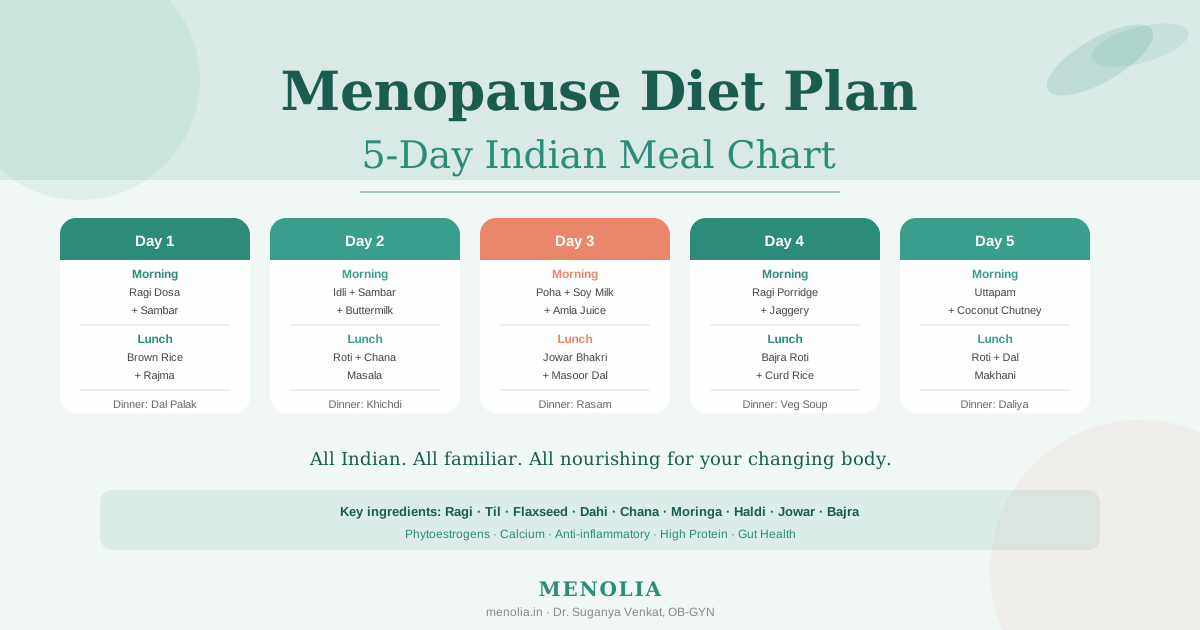
Here’s what a realistic, enjoyable day looks like, not a “diet plan” but a template:
For more on this, read our guide on Menopause Diet Plan.
Morning (6:30-7:00 AM)
- Warm water with lemon
- 5 soaked almonds + 2 walnuts
Breakfast (8:00-8:30 AM)
- Option A: Ragi dosa with coconut chutney + 1 boiled egg
- Option B: Pesarattu (moong dal dosa) with ginger chutney + dahi
- Option C: Oats upma with vegetables + peanuts + a glass of milk
Protein: 15-20g | Calcium: 200-300mg | Fibre: 5-8g
Mid-Morning (10:30 AM)
- 1 fruit (guava, apple, or papaya)
- Green tea
Lunch (12:30-1:00 PM)
- Brown rice or ragi mudde (2 small balls)
- Sambar with drumstick + drumstick leaves
- Palak dal or rajma
- Cucumber-carrot raita with flaxseed powder
- Small serving of pickle (amla or ginger)
Protein: 20-25g | Calcium: 200mg | Fibre: 10-12g
Evening Snack (4:00 PM)
- Roasted chana (30g) or til ladoo (2 small)
- Haldi doodh (turmeric milk with a pinch of pepper)
Protein: 7-10g | Calcium: 200mg
Dinner (7:00-7:30 PM)
- 2 whole wheat rotis or jowar roti
- Paneer bhurji or egg curry or fish curry
- Mixed vegetable sabzi with haldi and garlic
- Small bowl of dahi
Protein: 20-25g | Calcium: 250mg | Fibre: 6-8g
Before Bed (optional)
- Warm milk with a pinch of nutmeg (supports sleep)
Daily totals: ~65-75g protein | ~1,000-1,200mg calcium | ~25-30g fibre
What About Supplements?
Food first, always. But some gaps are hard to fill through diet alone during menopause:
| Supplement | Why | Dose | Notes |
|---|---|---|---|
| Vitamin D3 | Most Indian women are deficient; critical for calcium absorption | 1,000-2,000 IU daily (or as per blood levels) | Get tested first |
| Calcium | If dietary intake is below 800mg | 500mg supplement (not more) | Take with vitamin D, split doses |
| Omega-3 | If you don’t eat fish regularly | 1,000mg EPA+DHA | Choose fish oil or algal oil |
| Magnesium | Supports sleep, muscle relaxation, bone health | 200-400mg glycinate | Take at night |
| B12 | Deficiency is extremely common in Indian vegetarians | 1,000 mcg sublingual | Get levels tested |
Important: Don’t self-prescribe supplements in large doses. Get blood work done and discuss with your doctor. More is not always better, excess calcium supplementation without vitamin D, for instance, can actually increase cardiovascular risk (Bolland et al., 2010).
The Foods to Cut Back (Not Eliminate)
I don’t believe in food lists that say “never eat this.” Life is too short, and food is too joyful. But some foods worsen menopause symptoms, and being mindful helps:
- Caffeine: Can trigger hot flashes and worsen sleep problems. Limit to 1-2 cups of coffee/tea before noon
- Alcohol: Even small amounts can trigger hot flashes and disrupt sleep. It also accelerates bone loss. If you drink, keep it occasional
- Spicy food: May trigger hot flashes in some women. This is individual, pay attention to your patterns
- Refined carbs: White rice, maida, biscuits, bread, cause blood sugar spikes that worsen energy crashes and weight gain. Replace, don’t eliminate
- Excess salt: Contributes to bloating, water retention, and raises blood pressure (which already rises post-menopause)
5 Small Changes That Make the Biggest Difference
If this article feels like a lot, start with just these five:
A plan that bends with your life works better than one that fights it. In our first published Menolia case study, Lalitha (60) fasted for Diwali two weeks into her program. Our nutritionist designed fasting-compatible recipes around the pooja tradition, not against it. She ended the day with steady energy instead of exhaustion.
- Add ragi twice a week: as dosa, roti, porridge, or mudde. Calcium + fibre + iron in one food
- Eat protein at every meal: even if it’s just a cup of dal or dahi. Don’t eat naked carbs
- One tablespoon of ground flaxseed daily: in dahi, on rice, in chapati dough. Phytoestrogens + omega-3 + fibre
- Haldi in everything: add turmeric to your dals, rice, milk. With black pepper
- Swap evening biscuits for roasted chana or nuts: more protein, more fibre, less sugar
These five changes alone address calcium, protein, phytoestrogens, inflammation, and blood sugar. You don’t need to overhaul your entire kitchen.
Frequently Asked Questions
Should I go on a “menopause diet”?
There’s no special “menopause diet”, just smart adjustments to what you’re already eating. The Indian diet is actually well-suited for menopause when you emphasise the right components (dals, ragi, dahi, greens, haldi). You don’t need imported superfoods.
Will changing my diet reduce hot flashes?
Yes, studies show that diets rich in phytoestrogens (soy, flaxseed) can reduce hot flash frequency by 20-50% (Taku et al., 2012). Reducing caffeine, alcohol, and spicy food triggers also helps. It won’t eliminate hot flashes entirely, but it can make them significantly more manageable.
I’m vegetarian. Can I get enough protein?
Absolutely. Combine dals + grains (rajma-rice, dal-roti, idli-sambar) for complete protein. Add paneer, dahi, soy chunks, eggs (if you eat them), and nuts. The key is having protein at every meal, not just dinner.
Is soy safe during menopause?
Yes. Extensive research in Asian populations shows soy is safe and beneficial. It does not increase breast cancer risk, in fact, moderate soy intake may be protective (Wei et al., 2012). Aim for whole soy foods (tofu, soy milk, edamame) rather than processed soy protein isolates.
How much water should I drink?
At least 8-10 glasses (2-2.5 litres) daily. Dehydration worsens hot flashes, brain fog, joint stiffness, and vaginal dryness. Keep a water bottle with you. Buttermilk, coconut water, and soups count too.
Do I need to give up rice?
No. But consider brown rice over white rice, or mix millets (ragi, jowar, bajra) into your rotation. You can also simply reduce the rice portion and increase the dal/sabzi portion on your plate.
Can diet alone manage menopause symptoms?
Diet is one of the most powerful tools, but it works best alongside regular exercise, good sleep hygiene, and stress management. For some women, HRT may also be appropriate, learn about the benefits and risks.
Want a Personalised Menopause Nutrition Plan?
Every woman’s menopause is different. Dr. Suganya’s team creates individualised meal plans based on your specific symptoms (hot flashes, joint pain, weight gain, sleep issues), dietary preferences, and health goals, using real Indian foods you’ll actually enjoy eating.
₹399 consultation · Personalised nutrition plan · Ongoing support
Dr. Suganya Venkat is an OB-GYN with 15+ years of clinical experience. She founded Menolia to give every woman the evidence-based support she deserves during perimenopause and menopause.