A Plan, Not Another List of Foods to Avoid
Every woman who walks into my clinic after 45 eventually asks the same question: “Just tell me what to eat.”
Not a theory. Not a general guide about calcium and phytoestrogens. A plan. Something she can print, stick on the fridge, and actually follow on a Tuesday when she is tired and someone needs dinner in thirty minutes.
This post is that plan.
Over the years of working with hundreds of Indian women through perimenopause and menopause, I have seen one consistent pattern: the women who feel the most improvement in hot flashes, weight, and energy are not the ones who made the most dramatic dietary overhaul. They are the ones who made consistent, small adjustments to meals they were already cooking, using ingredients already in their kitchen.
This 5-day meal chart is built entirely around Indian food. No superfoods from abroad. No complicated substitutions. Just a structured way to eat the foods your body actually needs right now, in proportions that support what menopause demands of your system.
What Your Body Needs Differently After 45
Before we get to the chart, a brief explanation of why the proportions in this plan look the way they do. You do not need to memorise this. But knowing the “why” makes it easier to adapt on days when you do not have a specific ingredient.
The full nutritional science behind menopause eating is covered in a separate guide. The five priorities that shape this plan are:
Protein: Oestrogen helps preserve lean muscle mass. As it declines, muscle loss accelerates unless you consciously increase protein intake. Most Indian women eat significantly less protein than their body needs after 45, often relying on refined carbohydrates as their caloric base. This plan prioritises protein at every meal.
Phytoestrogens: Plant compounds that interact weakly with oestrogen receptors and have been shown in multiple studies to modestly reduce hot flash frequency (Taku et al., 2012, Menopause). Best Indian sources: flaxseed (alsi), sesame (til), soy products like tofu and edamame, and chickpeas (chana).
Calcium and vitamin D together: Bone density loss accelerates sharply in the first five years after menopause. Calcium works best when vitamin D is adequate. Indian food has multiple good calcium sources, but absorption is the challenge. This plan pairs calcium-rich foods with vitamin D where possible.
Anti-inflammatory foods: Falling oestrogen increases systemic inflammation, which worsens joint pain, fatigue, and cardiovascular risk. Haldi, ginger, and omega-3 rich foods like flaxseed and walnuts help counter this.
Fibre: Gut health is directly connected to oestrogen metabolism through the estrobolome (the gut bacteria responsible for processing oestrogen). High-fibre diets have been associated with better hormonal balance and reduced cardiovascular risk in postmenopausal women (Lambeau and McRorie, 2017, Journal of the American Association of Nurse Practitioners). Vegetables, dals, and whole grains are the lever here.
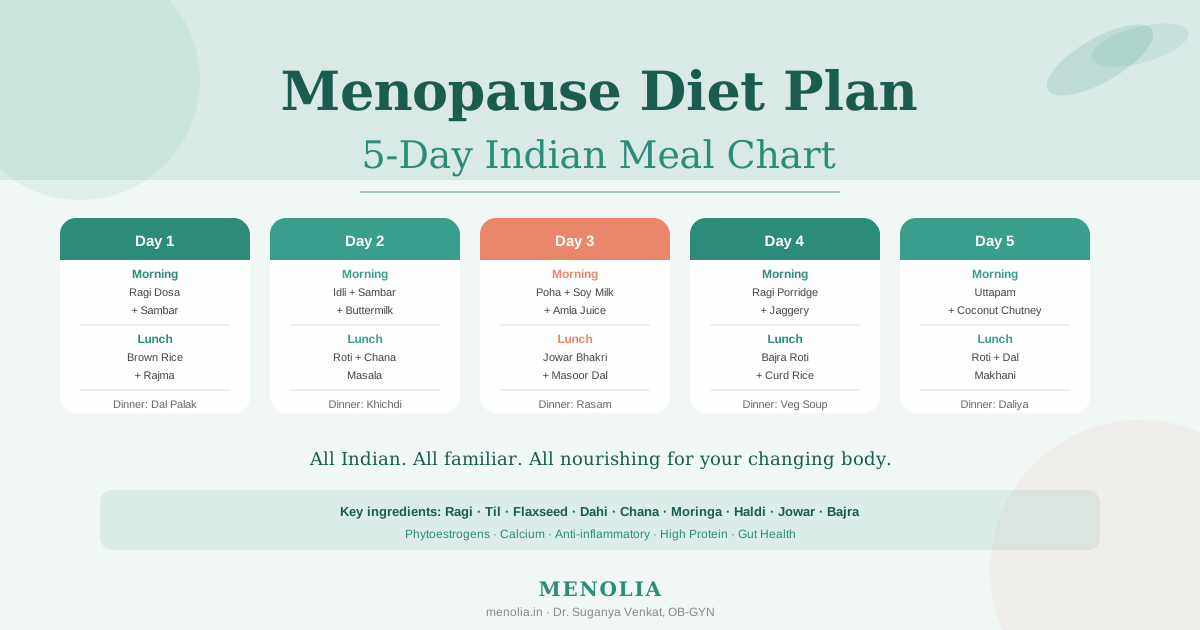
The 5-Day Indian Menopause Meal Plan
Note on portions: These meals are designed to be satisfying, not restrictive. Adjust portions to your hunger. The goal is not caloric restriction but nutritional quality.
Day 1
Early morning (on waking) 1 glass warm water with half a lemon squeezed in, and 1 tablespoon flaxseed powder (alsi). Flaxseed is one of the richest sources of lignans (plant phytoestrogens) available in Indian kitchens.
Breakfast Ragi dosa (2-3) with a small bowl of coconut chutney and sambar. Ragi is exceptional for menopause: it provides calcium (approximately 344 mg per 100g, one of the highest among plant foods), complex carbohydrates for sustained energy, and a low glycaemic load that avoids the mid-morning energy crash many women experience. Sambar adds protein and anti-inflammatory spices.
Mid-morning Small bowl of dahi (curd) with a pinch of jeera powder and one small banana. Dahi provides probiotics (supporting the estrobolome), calcium, and protein. Banana provides potassium and magnesium, both of which support sleep quality and reduce night cramp frequency.
Lunch One cup cooked brown rice or two small jowar rotis, one cup rajma curry (kidney beans, cooked with tomato, haldi, and cumin), a side of sauteed spinach with garlic and a squeeze of lemon (the vitamin C doubles iron absorption from the spinach). A small bowl of dahi on the side.
Evening snack A small handful of mixed seeds: til (sesame), pumpkin seeds, and sunflower seeds. Til is one of India’s richest sources of calcium and provides lignans. Pair with one cup of haldi-milk (golden milk) made with a pinch of black pepper, which significantly improves curcumin bioavailability.
Dinner Dal palak (moong dal with spinach), two small whole wheat rotis, and a side salad of cucumber, tomato, and onion with lemon. Keep dinner lighter than lunch, especially if hot flashes at night are a concern. Heavy evening meals raise body temperature and can trigger or worsen night sweats.
Day 2
Early morning Warm water with lemon. One teaspoon methi (fenugreek) seeds soaked overnight, swallow with water. Methi has phytoestrogenic properties and helps with insulin sensitivity, which matters for weight management at menopause.
Breakfast Idli (3-4) with sambar and a small portion of coconut chutney. Idli batter fermentation increases the bioavailability of B vitamins. The rice-lentil combination provides both complex carbohydrates and a modest protein base. Add a small glass of buttermilk (chaas) on the side for additional probiotics and calcium.
Mid-morning One apple or pear with a tablespoon of peanut butter or a small handful of walnuts. Walnuts provide alpha-linolenic acid (a plant-based omega-3), which has anti-inflammatory properties and supports cardiovascular health, a priority after menopause.
Lunch Two wheat rotis, one bowl of chana masala (chickpeas), a portion of sabzi (any seasonal vegetable sauteed with haldi and jeera), and one cup dahi. Chickpeas are an excellent phytoestrogen source with significant protein content (approximately 19g per 100g dry weight).
Evening snack A small bowl of roasted chana (black gram). High in protein, fibre, and iron. If heavy perimenopausal bleeding has been a concern for you, iron-dense snacks like this matter for replenishment.
Dinner Vegetable khichdi (rice and moong dal in a 1:2 ratio, cooked soft with haldi, cumin, and vegetables like carrot, beans, and bottle gourd). Khichdi is easy to digest, anti-inflammatory, and balanced. A light pickle or small portion of mango chutney on the side. Khichdi for dinner is not “settling for less”. It is clinically one of the most supportive evening meals during the menopausal transition.
Day 3
Early morning Warm water with lemon and a small piece of fresh ginger grated in. Ginger has documented anti-inflammatory and anti-nausea effects. Some women find it reduces the intensity of hot flashes when consumed regularly.
Breakfast Poha (beaten rice, sauteed with mustard seeds, curry leaves, onion, peas, and haldi) with a small glass of low-fat milk or fortified soy milk. Soy milk provides isoflavones (the most studied phytoestrogen class) alongside calcium.
Mid-morning One small cup of amla (Indian gooseberry) juice or two fresh amla, if in season. Amla is exceptionally high in vitamin C, which supports collagen synthesis (critical for skin, joints, and bone matrix), and in antioxidants that counter oxidative stress associated with the menopausal transition.
Lunch Jowar bhakri (two small), masoor dal (red lentil), a side of drumstick (moringa) sabzi. Moringa leaves are nutritionally dense with iron, calcium, and vitamin C in one vegetable. Pair with a glass of buttermilk.
Evening snack Roasted makhana (fox nuts) with a pinch of rock salt and black pepper. Makhana is low glycaemic, high in magnesium (which supports sleep and bone density), and very easy to prepare.
Not sure how to adjust this plan for your specific symptoms? Dr. Suganya can help you personalise your menopause nutrition plan. WhatsApp her directly: wa.me/919940270499
Dinner Two small rotis, palak paneer or tofu bhurji (scrambled tofu with turmeric, onion, and tomatoes). Both paneer and tofu are excellent protein sources for the evening meal. If using tofu, it additionally contributes isoflavones. A small bowl of clear rasam to finish, which aids digestion and provides anti-inflammatory benefit from tamarind, pepper, and haldi.
Day 4
Early morning Warm water with lemon and one tablespoon ground flaxseed stirred in (can also be added to smoothies or rotis). Consistency with flaxseed matters more than the specific delivery method.
Breakfast Ragi porridge (ragi flour cooked with low-fat milk or water, sweetened with a small amount of jaggery rather than sugar). Jaggery provides trace minerals including iron and is lower glycaemic than refined sugar. Top with a tablespoon of chopped almonds and a pinch of cardamom.
Mid-morning A glass of fresh coconut water (if available) or a small banana with peanut butter. Coconut water is hydrating and provides electrolytes. Many women in perimenopause run chronically dehydrated, which worsens fatigue and joint stiffness significantly.
Lunch Two small bajra (pearl millet) rotis, a bowl of sambar with drumstick, tomato, and onion, one cup curd rice (rice mixed with dahi, tempered with mustard seeds and curry leaves). Bajra is high in iron, magnesium, and B vitamins. Curd rice is cooling, probiotic-rich, and supports gut health.
Evening snack A small bowl of sprouts (moong or mixed sprouts) with lemon and chaat masala. Sprouts increase the bioavailability of nutrients through the germination process and are an easy, no-cook protein and fibre hit.
Dinner A bowl of vegetable soup (carrots, beans, tomatoes, spinach, with a pinch of haldi and black pepper), two small multigrain rotis, and a side of any light dal. Keep the soup as the main portion and the rotis as support rather than the other way around. Soups support hydration and are warming without raising body temperature the way dense, oily meals do at night.
Day 5
Early morning Warm water with lemon. On this day, add one teaspoon of sabja seeds (basil seeds) soaked in water overnight. Sabja seeds are hydrating, cooling, and provide a small amount of fibre and omega-3 fatty acids.
Breakfast Uttapam (thick dosa made with mixed vegetables pressed in: tomato, onion, capsicum, and coriander) with coconut chutney. Uttapam provides a similar nutritional profile to dosa but with more vegetable content integrated into the batter itself.
Mid-morning A small cup of roasted peanuts (moongphali) with a glass of low-fat buttermilk. Peanuts are high in niacin, folate, and monounsaturated fats. The buttermilk continues the daily probiotic contribution.
Lunch Two rotis, one bowl of dal makhani (made with rajma and urad dal, keeping the butter quantity small), a portion of sabzi, and one bowl of dahi. Dal makhani is typically perceived as a heavy dish, but in moderate portions with controlled fat, it provides excellent protein, fibre, and iron.
Evening snack Almond and til ladoo (homemade, sweetened with jaggery). Sesame and almonds together provide calcium, healthy fats, magnesium, and vitamin E. Making these at home ensures you control the sweetener. Two small laddoos is a portion, not a restriction.
Dinner Oats khichdi or daliya (broken wheat porridge) with vegetables, cooked savoury with cumin, haldi, and ghee. A small bowl of curd on the side. This is a light, warm dinner that supports digestion, provides fibre, and has a low glycaemic load, all of which support better sleep quality when consumed at least two hours before bed.
5 Rules to Carry Beyond Day 5
The chart above is a starting point. Here is what the evidence consistently shows matters most, beyond any specific meal plan:
1. Eat within an hour of waking. Many perimenopausal women are not hungry in the morning. This often reflects cortisol dysregulation, the same mechanism that causes fatigue and poor sleep (see the menopause fatigue guide). Eating breakfast regardless, even something small, anchors your cortisol rhythm and prevents the mid-morning crash.
2. Make lunch your largest meal, not dinner. Insulin sensitivity peaks in the first half of the day. The same meal eaten at noon causes a smaller glucose spike than the same meal eaten at 8 PM. This is a metabolic reality that disproportionately affects women after 45 because oestrogen previously helped buffer insulin response.
3. Include protein at every meal, not just in dal. A rough guide: your palm-size portion of a protein food (dal, legumes, curd, paneer, eggs, tofu, fish) at breakfast, lunch, and dinner. Protein at breakfast specifically reduces hunger hormones and prevents the afternoon energy dip.
4. Include a phytoestrogen source daily. The foods that matter most: flaxseed (easiest to add to anything), sesame seeds (til), soy products, and chickpeas. The effect is modest per day but cumulative over weeks and months. The hot flashes food guide gives a complete list with evidence levels.
5. Limit refined carbohydrates in the evening. A large white-rice dinner is not the problem. A large white-rice dinner with ghee-laden curry, followed by a sweet, is. The glycaemic spike from the combination raises body temperature through the first half of the night, which is exactly when hot flashes are most likely to disrupt sleep.
What Not to Cut
The common error I see most often is women removing foods they think are “bad” without replacing them with anything. Cutting rice without adding any other complex carbohydrate just means less energy. Removing ghee entirely reduces fat-soluble vitamin absorption (vitamins A, D, E, K all require fat to absorb). Avoiding jaggery and replacing it with artificial sweetener does not improve the hormonal picture.
The goal is quality and proportion, not elimination.
Want a personalised menopause diet plan for your specific symptoms? Whether you are dealing with hot flashes, weight gain, joint pain, or fatigue, Dr. Suganya can create a plan tailored to your body. WhatsApp her: wa.me/919940270499
Frequently Asked Questions
Can this meal plan help with weight loss during menopause?
Yes, but “weight loss” needs to be understood differently after 45. The mechanism of weight gain at menopause is largely hormonal: oestrogen withdrawal shifts fat distribution toward the abdomen, and insulin sensitivity decreases. This plan addresses both by prioritising low-glycaemic foods, high protein, and anti-inflammatory ingredients. Women who follow it consistently over 4-6 weeks typically report reduced bloating, improved energy, and gradual stabilisation of weight, rather than rapid loss. Rapid weight loss through caloric restriction at this life stage is counterproductive as it accelerates muscle loss and worsens hormonal disruption. The menopause weight gain guide covers the full picture.
How long before I notice a difference in hot flashes?
Dietary changes affecting hot flash frequency typically show an effect over 4-8 weeks of consistent eating. Phytoestrogens specifically take several weeks to have a measurable effect. Single meals will not produce noticeable change. The consistency of including phytoestrogen sources (flaxseed, sesame, soy, chickpeas) daily over weeks is what the evidence supports, not any single food eaten occasionally.
Can I follow this plan if I have diabetes or blood sugar issues?
The plan is built with low-glycaemic principles, so it is broadly suitable for women managing blood sugar. However, if you have diagnosed diabetes or insulin resistance, the specific portions and carbohydrate amounts need to be calibrated to your readings. The plan’s use of millets (ragi, bajra, jowar) over refined rice is already a positive adjustment. Consult your doctor or a dietitian for specific modifications.
I am vegetarian. Is this plan complete for my protein needs?
Yes. The plan is designed to be vegetarian. The protein sources included across the 5 days are: dals (moong, masoor, rajma, chana), curd, paneer, tofu, peanuts, seeds, and makhana. A woman who eats the portions described across all meals should achieve close to 60-70g of protein daily, which is adequate for most menopausal women (the general recommendation is 0.8-1.0g per kg of body weight). If weight or muscle loss is a concern, add an extra serve of curd or a small portion of paneer to one meal.
Should I take supplements alongside this plan?
This plan is food-first, not a replacement for supplements where clinically indicated. Vitamin D deficiency is extremely common in Indian women and is not reliably corrected through diet alone (sunlight is the primary source, and melanin reduces cutaneous synthesis significantly). A 25-OH vitamin D blood test is worth doing. Calcium supplementation may be needed if dietary intake is consistently low. Do not self-prescribe supplements based on a general plan. The menopause supplements guide covers what has evidence and what does not.
Is this plan suitable for perimenopause, not just full menopause?
Completely. The nutritional priorities, phytoestrogens, protein, calcium, anti-inflammatory foods, and fibre, are relevant throughout the perimenopausal transition and into post-menopause. The only adjustment worth making during perimenopause specifically is ensuring adequate iron if periods have become heavier. The plan’s Day 1 and Day 4 lunches are particularly iron-supportive with the spinach and bajra. If heavy bleeding has been significant, a haemoglobin and ferritin test is worth requesting from your doctor.
Can my husband or family eat these meals too?
Yes. Every meal in this plan is a balanced Indian meal that the whole family can eat. The only household adjustment is the early-morning additions (flaxseed, methi seeds, amla) which you prepare specifically for yourself. The dinners and lunches require no special cooking. This is intentional. The biggest barrier to sustainable dietary change is cooking separate meals for yourself, so this plan was built to work within a family kitchen.