Why Does Menopause Cause Weight Gain?
If you’re going through menopause and the number on the scale keeps creeping up despite eating and exercising the same as before, you’re not imagining it, and it’s not your fault.
Here’s what’s actually happening in your body:
1. Estrogen Decline Changes Fat Distribution
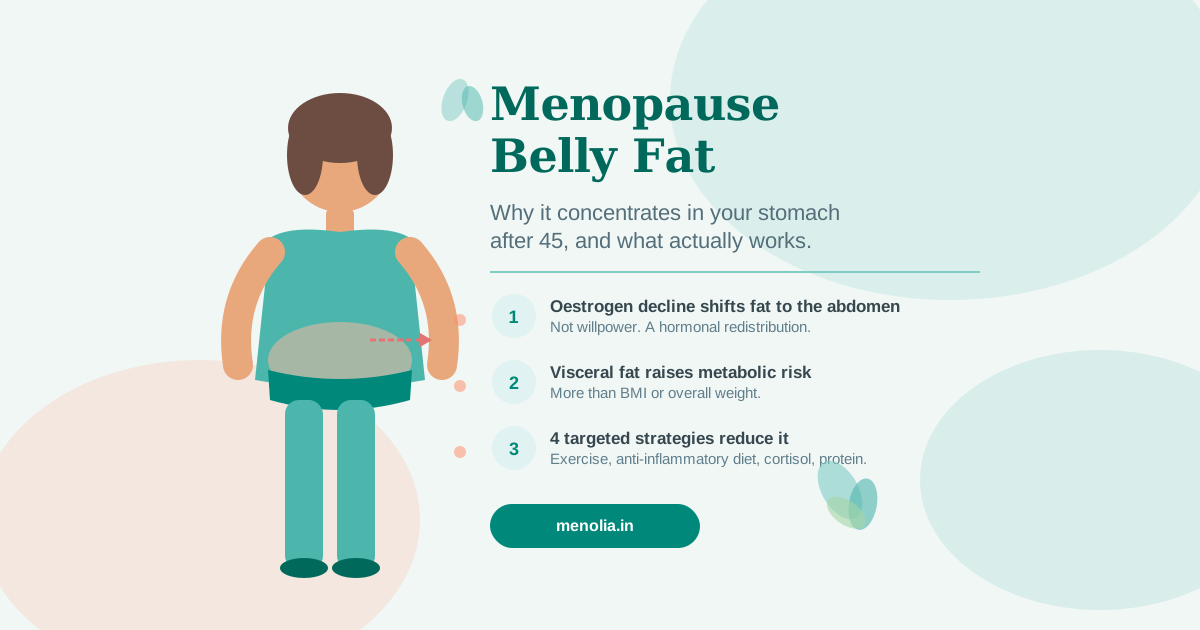
Estrogen helps regulate where your body stores fat. Before menopause, fat tends to accumulate on hips and thighs (subcutaneous fat). As estrogen drops, a process that begins earlier for Indian women than global averages suggest, fat shifts to the abdomen (visceral fat).
This isn’t just a cosmetic concern. Visceral fat is metabolically active, it increases inflammation, insulin resistance, and cardiovascular risk.
2. Your Metabolism Slows Down
- Resting metabolic rate drops by about 50-100 calories per day
- Muscle mass naturally decreases (sarcopenia), muscle burns more calories at rest than fat
- Insulin sensitivity decreases: your body handles carbohydrates less efficiently
This means that eating the exact same diet you ate at 35 will now lead to weight gain at 50. The math changes.
3. Sleep and Stress Compound the Problem
- Poor sleep (common in menopause) increases ghrelin (hunger hormone) and decreases leptin (fullness hormone)
- Chronic stress elevates cortisol, which promotes visceral fat storage and sugar cravings (mood changes and anxiety during menopause often amplify this stress cycle)
- Fatigue reduces motivation to exercise
4. Thyroid Changes
Thyroid disorders become more common after 40. An underactive thyroid (hypothyroidism) causes weight gain, fatigue, and sluggish metabolism, and can be mistaken for menopause symptoms. Always get your thyroid checked.
Frustrated with menopause weight gain? Dr. Suganya’s team creates personalised plans that work with your changing metabolism, not against it. Real Indian food, sustainable approach.
What Actually Works
Strategy 1: Strength Training (Most Important)
If you do ONE thing, make it this. Strength training:
- Preserves and builds muscle mass (counteracting sarcopenia)
- Boosts resting metabolic rate (more muscle = more calories burned at rest)
- Improves insulin sensitivity
- Reduces visceral fat (even without weight loss on the scale)
- Protects bone density (critical for menopausal women)
What to do:
- 2-3 sessions per week, 30-45 minutes
- Focus on major muscle groups: squats, deadlifts, rows, presses, lunges
- Progressive overload, gradually increase weight/resistance
- You don’t need a gym, resistance bands and body weight exercises work too
- Start with a trainer if you’re new to strength training
Myth: “I’ll get bulky.” No, you won’t. Women don’t have enough testosterone to build bulky muscles. What you WILL get is a more toned body, stronger bones, and a faster metabolism.
Strategy 2: Increase Protein Intake
Protein is your best friend during menopause:
- Preserves muscle mass during weight loss
- Increases satiety (keeps you full longer)
- Has a higher thermic effect (your body burns more calories digesting protein than carbs or fat)
Target: 1.2-1.5g protein per kg of body weight per day
For a 65kg woman, that’s 78-97g of protein daily.
Indian protein sources:
| Food | Protein (approx) |
|---|---|
| Paneer (100g) | 18g |
| Eggs (2) | 12g |
| Chicken breast (100g) | 31g |
| Dal/lentils (1 cup cooked) | 14-18g |
| Greek yogurt/curd (1 cup) | 10-15g |
| Soya chunks (50g dry) | 26g |
| Chana/chickpeas (1 cup) | 15g |
| Fish (100g) | 20-25g |
| Whey protein (1 scoop) | 24-30g |
Tip: Include protein at every meal, don’t leave it all for dinner.
Strategy 3: Rethink Carbohydrates
You don’t need to go low-carb, but you DO need to be smarter about carbs:
Reduce:
- Refined carbs (white rice, maida, white bread)
- Added sugars and sweets
- Sugary drinks and fruit juices
Choose instead:
- Whole grains (brown rice, millets, oats, whole wheat)
- Vegetables (unlimited)
- Fruits (whole, not juiced)
- Legumes and lentils
Why: Declining insulin sensitivity means your body handles refined carbs poorly, leading to blood sugar spikes, energy crashes, and fat storage.
Strategy 4: Don’t Forget Cardio
While strength training is the priority, cardio still matters for:
- Heart health (cardiovascular risk increases after menopause)
- Calorie expenditure
- Mood and stress reduction
- Sleep quality
What to do:
- 150 minutes per week of moderate cardio (brisk walking, swimming, cycling, low-impact options ideal if joint pain is limiting higher-impact activity)
- Or 75 minutes of vigorous cardio (jogging, HIIT)
- Walking 8,000-10,000 steps daily as a baseline
Strategy 5: Prioritise Sleep
This is not optional. It’s metabolically critical.
- Poor sleep directly promotes weight gain through hormone disruption
- Aim for 7-8 hours
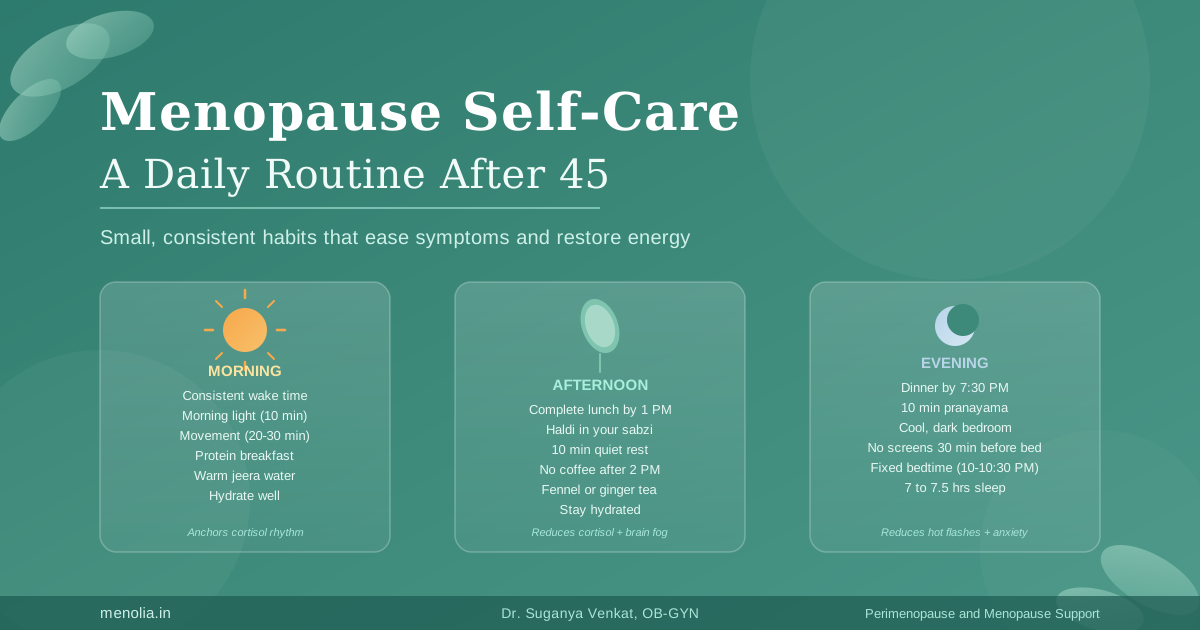
- Consistent sleep schedule
- Cool, dark bedroom
- Address night sweats (with lifestyle changes or HRT if needed)
- Consider magnesium glycinate before bed
Strategy 6: Manage Stress
Chronic stress → elevated cortisol → visceral fat storage + cravings
- Daily stress management: yoga, meditation, deep breathing, nature walks
- Set boundaries (this is health advice, not lifestyle advice)
- Therapy if needed. It’s not a luxury, it’s a tool
- Social connection and laughter
What Doesn’t Work
Crash Diets and Extreme Calorie Restriction
- Lose muscle mass (the opposite of what you need)
- Slow down metabolism even further
- Unsustainable → yo-yo weight cycling
- Increase cortisol (stress hormone)
- Can worsen bone density
Spot Reduction
You cannot target belly fat with crunches or ab exercises. Fat loss happens systemically. Strength training, nutrition, and cardio work together to reduce overall body fat.
Detox Teas, Supplements, and Gimmicks
There is no supplement, tea, or magic pill that melts belly fat. Save your money and invest in good food and a trainer.
A Realistic Approach
Here’s what I tell my patients:
- Accept that your body is changing: and that’s okay. The goal is health, not looking 25 again
- Focus on body composition, not the scale: you might gain muscle and lose fat without the scale changing
- Make sustainable changes: small, consistent improvements beat dramatic overhauls
- Be patient: results take 8-12 weeks to become visible
- Get help: a personalised plan from someone who understands menopause makes all the difference
💜 Real proof this works. Lalitha, 60, lost 6.3 kg over 3 months on our program. No extreme restriction, no intense workouts. Structured nutrition, strategic meal timing, and gentle walking designed around her joint condition. Safe, sustainable, age-appropriate. Read Lalitha’s full story →
The Role of HRT in Weight Management
HRT doesn’t directly cause weight loss, but it can help by:
- Improving sleep (reduces hormonal hunger)
- Reducing hot flashes and night sweats (better quality of life → more energy to exercise)
- Potentially reducing visceral fat accumulation
- Improving insulin sensitivity
HRT works best when combined with nutrition and exercise. It’s not a substitute for lifestyle changes, but it can make those changes easier and more effective.
The Bottom Line
Menopause weight gain is real, hormonal, and not your fault. But it’s also manageable with the right approach:
For more on this, read our guide on Menopause & Depression.
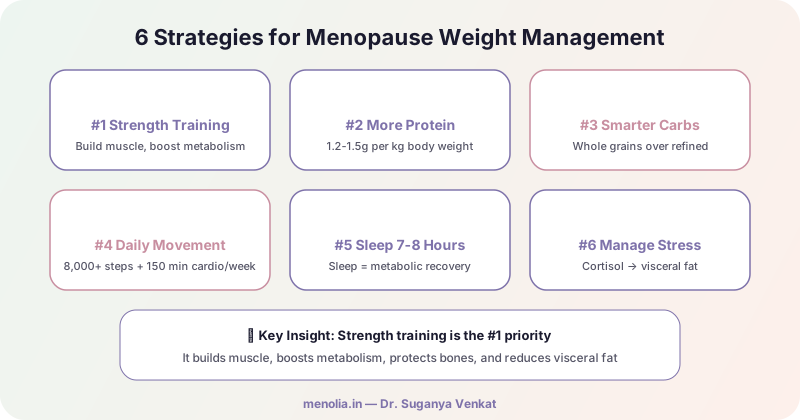
- Strength train 2-3x per week
- Eat 1.2-1.5g protein per kg daily
- Choose complex carbs over refined ones
- Get 7-8 hours of sleep
- Move daily (8,000+ steps)
- Manage stress actively
For the nutrition side, read our detailed menopause diet guide. Sleep also matters for weight, poor sleep worsens insulin resistance (read more).
Frequently Asked Questions
Why am I gaining weight even though I’m eating the same?
Your metabolism slows due to muscle loss and declining oestrogen. Insulin sensitivity drops, so your body stores more fat from the same food. You need to eat differently (more protein, fewer refined carbs), not necessarily less.
Can I lose belly fat after menopause?
Yes, but it requires a different approach than what worked in your 30s. Strength training to rebuild muscle, adequate protein (1g per kg body weight), stress management (cortisol drives belly fat), and consistent sleep are the key levers.
Is intermittent fasting good for menopause?
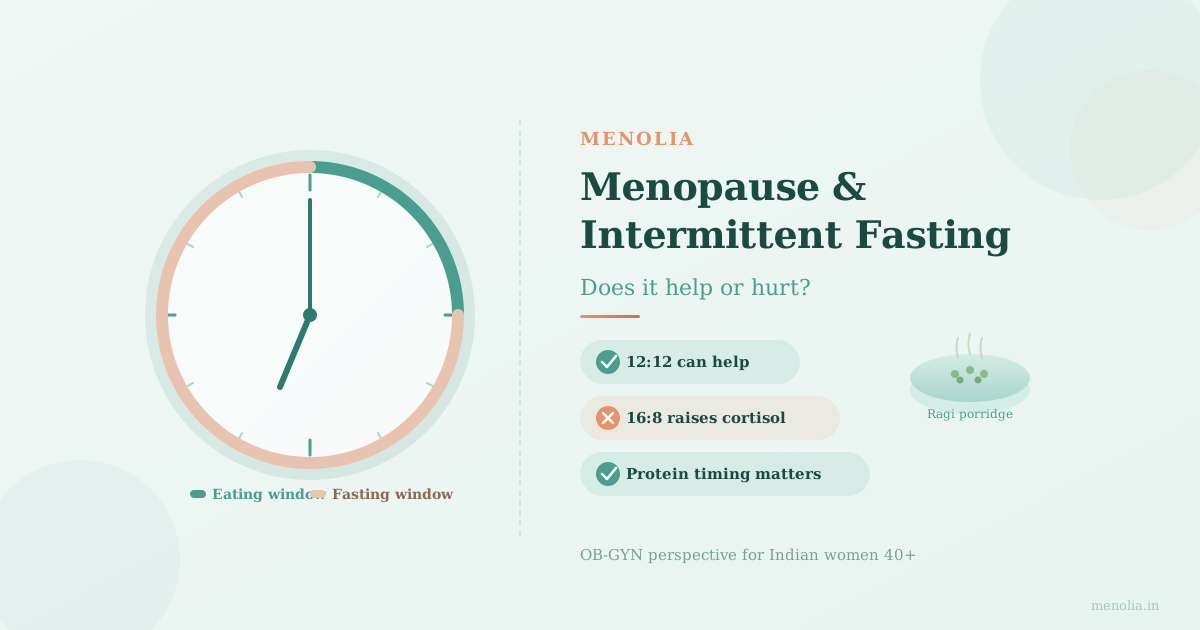
It can work for some women, but extended fasting can raise cortisol and worsen sleep, both problematic during menopause. A gentle 12-hour overnight fast (e.g., dinner at 7pm, breakfast at 7am) is a safer starting point.
How much protein do I need?
About 1-1.2g per kg of body weight daily. For a 65kg woman, that’s 65-78g. Most Indian vegetarian diets fall short. Add dal, paneer, eggs, dahi, and soy chunks at every meal.
Does HRT help with weight?
HRT doesn’t directly cause weight loss, but it can prevent the shift to abdominal fat and improve insulin sensitivity. Women on HRT tend to maintain healthier body composition.
A Plan That Works With Your Body
₹399 consultation · Personalised nutrition · Exercise for menopause · Holistic approach