What Is Perimenopause?
Perimenopause literally means “around menopause”. It’s the transition period before your periods stop completely. While most women associate menopause with their 50s, perimenopause typically begins in the early to mid-40s and can last anywhere from 4 to 10 years.
During this time, your ovaries gradually produce less estrogen and progesterone. But this decline isn’t smooth, hormones fluctuate wildly, sometimes spiking higher than normal before dropping. This hormonal rollercoaster is what causes the symptoms.
Key insight: Many women in their early 40s don’t realise they’re in perimenopause. Their symptoms are often attributed to stress, busy lifestyles, or “just getting older”, but understanding the hormonal basis can change how you manage them.
Complete Perimenopause Symptoms Checklist
How many of these are you experiencing? Most women in perimenopause have 5-15 of these symptoms at any given time.
Menstrual changes:
- Irregular periods (shorter, longer, or skipped)
- Heavier or lighter flow than usual
- Spotting between periods
- Worsening PMS
Vasomotor symptoms:
- Hot flashes (sudden waves of heat)
- Night sweats
- Cold flashes (less common but real)
- Heart palpitations
Mood and cognitive:
- Anxiety (often new-onset)
- Irritability and mood swings
- Brain fog and poor concentration
- Memory lapses (forgetting words, names)
- Low mood or depression
- Reduced motivation
Sleep:
- Difficulty falling asleep
- Waking at 3-4 AM
- Restless or unrefreshing sleep
Physical changes:
- Weight gain (especially around the midsection)
- Joint pain and stiffness
- Muscle aches
- Headaches or migraines (new or worse)
- Breast tenderness
- Bloating
- Hair thinning
- Dry or itchy skin
- Brittle nails
Urogenital:
- Vaginal dryness
- Painful intercourse
- Increased urinary urgency
- More frequent UTIs
Other:
- Reduced libido
- Fatigue (bone-deep tiredness)
- Tingling in hands and feet
- Burning mouth sensation
- Changed body odour
- Tinnitus (ringing in ears)
If you’re nodding along to several of these, you’re likely in perimenopause. Let’s understand why each happens.
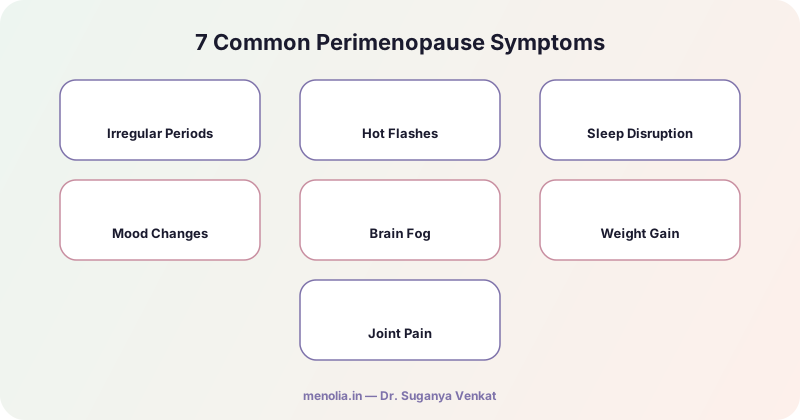
The Most Common Perimenopause Symptoms
1. Irregular Periods
This is usually the first sign. Your cycle might get shorter (21-25 days), longer (35+ days), heavier, lighter, or completely unpredictable. You might skip months entirely.
What’s happening: Fluctuating estrogen and progesterone levels affect ovulation. Some cycles you ovulate, some you don’t, leading to irregular bleeding patterns.
When to see a doctor: Very heavy bleeding (soaking a pad/tampon every hour), bleeding between periods, or bleeding after sex should always be evaluated.
2. Hot Flashes and Night Sweats
That sudden wave of heat spreading from your chest to your face, often accompanied by sweating and a rapid heartbeat. Hot flashes can last from 30 seconds to several minutes.
What’s happening: Declining estrogen affects your brain’s thermostat (the hypothalamus), making it overly sensitive to slight changes in body temperature.
What helps:
- Layer your clothing
- Keep your bedroom cool (18-20°C)
- Identify and avoid triggers (spicy food, alcohol, caffeine, stress)
- Regular exercise (reduces frequency and severity)
- HRT (most effective treatment for severe hot flashes)
3. Sleep Disruption
Difficulty falling asleep, waking up at 3 AM and not being able to go back to sleep, or waking drenched in sweat. Poor sleep then worsens every other symptom.
What’s happening: Progesterone (which has a calming, sleep-promoting effect) declines. Night sweats also fragment sleep.
What helps:
- Consistent sleep schedule (same bedtime, same wake time)
- Cool, dark bedroom
- No screens 1 hour before bed
- Magnesium glycinate (200-400mg before bed)
- Limit caffeine after 12 PM
4. Mood Changes
Anxiety (especially if you’ve never been anxious before), irritability, sadness, or feeling “not like yourself.” Some women describe it as a constant low-grade emotional instability.
What’s happening: Estrogen influences serotonin and other neurotransmitters. When estrogen fluctuates wildly, so does your mood.
What helps:
- Regular exercise (30 minutes, 5 days a week (one of the most effective interventions))
- Therapy (especially CBT, proven effective for menopausal mood symptoms)
- Social connection
- HRT (can significantly improve mood in perimenopause)
- In some cases, SSRIs may be recommended
5. Brain Fog and Memory Issues
Forgetting words mid-sentence, walking into a room and forgetting why, difficulty concentrating, or feeling mentally “slow.”
What’s happening: Estrogen plays a role in cognitive function, memory formation, and brain energy metabolism. Fluctuating levels can temporarily impair these functions.
The good news: Research shows that brain fog typically improves after the menopause transition. It’s a temporary symptom, not a sign of cognitive decline.
What helps:
- Regular aerobic exercise (improves brain blood flow)
- Quality sleep (critical for memory consolidation)
- Omega-3 fatty acids
- Mental stimulation (learning new skills, puzzles)
- Managing stress
6. Weight Gain and Body Changes
Especially around the midsection. You might notice your body storing fat differently, even if your diet and exercise haven’t changed.
What’s happening: Declining estrogen shifts fat storage from hips and thighs to the abdomen. Metabolic rate slows. Muscle mass decreases (which further reduces metabolism).
What helps:
- Strength training (preserves and builds muscle, boosts metabolism)
- Protein-rich diet (1.2-1.5g per kg body weight)
- Reduce refined carbs and added sugars
- Manage stress (cortisol promotes visceral fat storage)
- Accept that some body composition change is normal, the goal is health, not a number on the scale
7. Joint Pain and Stiffness
Morning stiffness, aching joints (especially knees, hands, and shoulders), or new aches you’ve never had before.
What’s happening: Estrogen has anti-inflammatory effects. As it declines, inflammation can increase, affecting joints.
What helps:
- Anti-inflammatory diet (omega-3s, turmeric, colourful vegetables)
- Regular movement (gentle stretching, yoga, swimming)
- Vitamin D and calcium supplementation
- Collagen supplements (some evidence of benefit)
When Does Perimenopause End?
Perimenopause ends when you’ve gone 12 consecutive months without a period. That’s the official definition of menopause. The average age of menopause in India is 46-48 years (slightly earlier than the Western average of 51).
How Is Perimenopause Diagnosed?
There’s no single test, read our detailed guide on how to know if it’s perimenopause. Diagnosis is based on:
- Your symptoms and history (most important)
- FSH levels (may be elevated, but can fluctuate day to day in perimenopause)
- Estradiol levels (may be low, high, or normal)
- Thyroid function (thyroid problems can mimic perimenopause)
- Other blood tests as needed to rule out other conditions
Important: A single blood test showing “normal” hormone levels does NOT rule out perimenopause. Your doctor should listen to your symptoms.
Think you might be in perimenopause? Dr. Suganya can help you understand what’s happening and create a plan, because knowing is half the battle.
Treatment Options
Lifestyle Changes (First Line)
For many women, significant symptom relief comes from:
- Regular exercise (combination of cardio and strength training)
- Anti-inflammatory nutrition (Mediterranean-style diet)
- Sleep optimisation
- Stress management (yoga, meditation, therapy)
- Targeted supplements (based on bloodwork)
Hormone Replacement Therapy (HRT)
HRT is the most effective treatment for moderate to severe perimenopause symptoms. Modern HRT is:
- Safe for most women under 60 or within 10 years of menopause
- Not one-size-fits-all: types, doses, and delivery methods are personalised
- Protective for bone health and may reduce cardiovascular risk when started early
Dr. Suganya Venkat can help you weigh the benefits and risks based on YOUR health profile.
Non-Hormonal Medications
For women who can’t or don’t want to take HRT:
- Certain antidepressants (SSRIs/SNRIs) for hot flashes and mood
- Gabapentin for hot flashes
- Cognitive behavioural therapy (CBT) for mood and sleep
The Bottom Line
Perimenopause is not something you need to just endure. Understanding what’s happening to your body is the first step. The second step is working with a doctor who takes your symptoms seriously and creates a personalised plan.
At Menolia, Dr. Suganya Venkat’s perimenopause program addresses the full picture (hormones, nutrition, exercise, sleep, and mental wellness) because no single intervention works in isolation.
If you’re in your 40s and something feels “off,” trust your instincts. You know your body better than anyone.
Explore our specific guides on sleep problems, mood changes, brain fog, weight gain, what to eat, and thyroid changes that often overlap.
Perimenopause Symptoms by Age
Perimenopause doesn’t look the same at every age. Here’s a rough guide to what Indian women typically experience:
Late 30s (37-39): Subtle changes most women miss. Slightly shorter cycles (26-28 days instead of 30), heavier periods, worsening PMS, lower energy. Most doctors won’t diagnose perimenopause this early, but the hormonal shifts have begun.
Early 40s (40-44): The most common onset window. Irregular periods become noticeable. Sleep starts getting disrupted. Mood changes (especially anxiety) appear. Weight shifts to the midsection. Many women think it’s “just stress.”
Mid 40s (45-47): Symptoms peak for most women. Hot flashes, night sweats, significant sleep disruption, brain fog, joint pain. Periods may become very irregular, skipping 2-3 months, then returning heavy. This is when most women realise something hormonal is happening.
Late 40s (48-51): Approaching menopause. Periods become infrequent (every 2-3 months). Vasomotor symptoms (hot flashes, sweats) may intensify or begin to ease. Vaginal dryness and urogenital changes become more prominent. Once you go 12 months without a period, you’ve reached menopause.
Remember: The average age of menopause in India is 46-48 years: earlier than the Western average of 51. So Indian women often experience perimenopause symptoms in their early 40s or even late 30s.
Frequently Asked Questions
When does perimenopause start?
Typically in the mid-40s, but it can begin as early as late 30s. The average duration is 4-8 years before menopause. If you’re experiencing symptoms in your early 40s, you’re not too young. It’s likely perimenopause.
For more on this, read our guide on Early Menopause Symptoms.
Can a blood test confirm perimenopause?
Not reliably. Hormones fluctuate wildly during perimenopause, a test might show “normal” one week and menopausal the next. Diagnosis is primarily based on symptoms and age. Don’t let a “normal” blood test dismiss your experience.
For more on this, read our guide on Perimenopause Spotting.
Can I still get pregnant during perimenopause?
Yes, until you’ve had 12 consecutive months without a period, pregnancy is possible. Fertility is lower but not zero. Use contraception if you don’t want to conceive.
What’s the difference between perimenopause and menopause?
Perimenopause is the transition, when hormones start fluctuating and symptoms appear, but you’re still having periods (even irregular ones). Menopause is officially diagnosed after 12 consecutive months without a period. Post-menopause is everything after.
Is it perimenopause or thyroid?
The symptoms overlap significantly, fatigue, weight gain, mood changes, hair loss. Get your thyroid checked (TSH, free T4). Many women have both. Treating thyroid dysfunction can improve perimenopause symptoms too.
Do I need HRT during perimenopause?
Not necessarily. Many women manage with lifestyle changes (diet, exercise, sleep hygiene, stress management). HRT is an option for moderate to severe symptoms that don’t respond to lifestyle interventions. Read our HRT guide.
Understand What’s Happening to Your Body
Dr. Suganya’s perimenopause program addresses the full picture, hormones, nutrition, exercise, sleep, and mental wellness.
₹399 consultation · Personalised to your symptoms