That sudden wave of heat rising through your chest to your face. The sweat. The flushed skin. The racing heart. Then it passes, and you’re left wondering when the next one will hit.
If you’re dealing with hot flashes, you’ve probably tried fans, lighter clothes, and cold water. But what if I told you that what you eat every day could reduce how often and how intensely these flashes hit?
The research is clear: certain foods can reduce hot flashes by 20-50%. And the best part? Most of them are already in your Indian kitchen.
Why Food Matters for Hot Flashes
Hot flashes happen because declining estrogen, which occurs earlier in Indian women than global averages suggest, disrupts your brain’s thermostat (the hypothalamus). Your brain thinks your body is overheating (even when it isn’t) and triggers a cooling response: blood vessels dilate, skin flushes, and you sweat.
Certain foods help because they:
- Contain phytoestrogens: plant compounds that gently mimic estrogen, partially compensating for the decline
- Reduce inflammation: chronic inflammation worsens vasomotor symptoms
- Stabilise blood sugar: blood sugar spikes can trigger hot flashes
- Support gut health: your gut bacteria (whose composition shifts during the menopause transition, sometimes causing bloating and digestive discomfort) convert dietary phytoestrogens into their active forms
Now, here are the 9 foods that research supports, all available in your local Indian market.
1. Flaxseeds (Alsi)
The evidence: A study in Menopause journal (Pruthi et al., 2012) found that women who consumed 40g of crushed flaxseeds daily had a 50% reduction in hot flash frequency and a 57% reduction in intensity over 6 weeks.
Why it works: Flaxseeds are the richest dietary source of lignans, a type of phytoestrogen that your gut bacteria convert into enterolactone and enterodiol. These compounds bind to estrogen receptors and provide a mild estrogenic effect.
How to eat it:
- Alsi chutney: dry roast flaxseeds, grind with red chillies, garlic, and salt. A staple in Maharashtra and Andhra Pradesh
- Add 2 tablespoons of ground flaxseeds to your morning dahi or buttermilk
- Mix into roti dough or sprinkle on poha
- Blend into smoothies
Important: Always grind flaxseeds, whole seeds pass through undigested. Store ground flaxseeds in the fridge (they go rancid quickly).
Target: 2 tablespoons (20-30g) of ground flaxseeds daily.
2. Soy (Soya Chunks, Tofu, Soya Milk)
The evidence: The landmark WAVS (Women’s Study for the Alleviation of Vasomotor Symptoms) trial published in Menopause (2021) found that a plant-based diet rich in soy reduced moderate-to-severe hot flashes by 84% over 12 weeks.
Why it works: Soy contains isoflavones (genistein and daidzein) (the most studied phytoestrogens). They bind to estrogen receptors in a tissue-selective way, providing relief without the risks of synthetic hormones.
How to eat it:
- Soya chunks curry: the humble soya chunk is a menopause superfood hiding in plain sight
- Tofu in stir-fries, curries, or scrambled (tofu bhurji)
- Soya milk: 1 glass daily (choose unsweetened, fortified with calcium)
- Edamame: boiled and salted as a snack
Target: 2 servings of soy daily (equivalent to ~40-80mg isoflavones).
Note: Soy is safe for the vast majority of women. The old “soy causes breast cancer” concern has been thoroughly debunked. The American Institute for Cancer Research confirms soy is safe, even for breast cancer survivors.
💚 Not sure how to build a menopause-friendly meal plan? Dr. Suganya creates personalised nutrition plans based on your symptoms, food preferences, and health profile. Start a conversation on WhatsApp
3. Ragi (Finger Millet)
The evidence: While no single study focuses on ragi and hot flashes specifically, ragi is exceptionally rich in calcium (344mg per 100g (3x more than milk), magnesium, and tryptophan) all nutrients that research links to reduced vasomotor symptoms.
Why it works:
- Calcium: studies show women with higher calcium intake report fewer hot flashes (North American Menopause Society guidelines)
- Magnesium: helps regulate body temperature and reduces night sweats
- Tryptophan: converts to serotonin, which helps regulate the thermostat in your brain
- Low glycemic index: prevents blood sugar spikes that trigger flashes
How to eat it:
- Ragi mudde (Karnataka staple) with sambar
- Ragi porridge (kanji) for breakfast, warm, filling, calcium-rich
- Ragi dosa or ragi roti as a rice/wheat alternative
- Ragi malt: a traditional South Indian health drink
Target: Replace one meal’s grain with ragi daily.
4. Dahi (Curd/Yogurt)
The evidence: Fermented dairy like dahi provides probiotics that enhance your gut’s ability to convert phytoestrogens into their active forms. A study in Journal of Clinical Endocrinology and Metabolism showed that women with healthier gut microbiomes had better phytoestrogen metabolism and fewer menopausal symptoms.
Why it works:
- Probiotics improve phytoestrogen activation (making your flaxseeds and soy work better)
- Calcium (180mg per cup), supports temperature regulation
- Cooling effect: dahi is a natural coolant in Ayurveda, and there’s scientific basis: fermented foods reduce systemic inflammation
- Protein: supports muscle preservation during menopause
How to eat it:
- Dahi rice (the ultimate South Indian comfort food, also a natural coolant)
- Raita with lunch and dinner
- Lassi or buttermilk (chaas), especially good in summer
- Greek yogurt (hung curd) with fruits for a protein-rich snack
Target: 1-2 cups of fresh dahi daily.
5. Til (Sesame Seeds)
The evidence: Sesame seeds are rich in lignans (similar to flaxseeds) and contain sesamin, a compound with phytoestrogenic activity. A study in Journal of Nutrition found that sesame consumption significantly improved blood lipids and antioxidant status in postmenopausal women, markers associated with reduced vasomotor symptoms.
Why it works:
- Lignans: phytoestrogenic compounds
- Calcium: 975mg per 100g (one of the highest food sources)
- Zinc and selenium: support immune function and reduce inflammation
- Healthy fats: anti-inflammatory omega-6 and omega-9
How to eat it:
- Til chutney: a staple in South Indian homes
- Til laddoo (with jaggery instead of sugar)
- Sprinkle white or black sesame on salads, dosas, and rotis
- Gingelly oil (sesame oil) for cooking, traditional in Tamil Nadu and Andhra
- Tahini in hummus or as a dip
Target: 2-3 tablespoons daily.
6. Haldi (Turmeric)
The evidence: Curcumin (the active compound in turmeric) is a powerful anti-inflammatory. A systematic review in Complementary Therapies in Medicine (2021) found that curcumin supplementation significantly reduced menopausal symptoms, including hot flashes, in postmenopausal women.
Why it works:
- Reduces inflammation: chronic low-grade inflammation worsens hot flashes
- Antioxidant: protects against oxidative stress (elevated during menopause)
- Modulates estrogen receptors: curcumin has weak phytoestrogenic activity
- Supports liver detoxification: helps metabolise hormones efficiently
How to eat it:
- Haldi doodh (golden milk) before bed, warm milk + turmeric + a pinch of pepper (pepper increases curcumin absorption by 2000%)
- Use generously in all curries, dals, and sambar
- Fresh turmeric root grated into chutneys or rice
- Turmeric tea with ginger and honey
Target: 1-2 teaspoons of turmeric powder daily, always with black pepper or fat (ghee, coconut oil) for absorption.
7. Sabja Seeds (Basil Seeds)
The evidence: While direct studies on sabja and hot flashes are limited, sabja seeds have documented cooling, anti-inflammatory, and blood-sugar-stabilising properties. In traditional Indian medicine, they’re specifically recommended for “excess body heat”, which aligns with vasomotor symptoms.
Why it works:
- Natural coolant: sabja seeds absorb water and form a gel that physically cools you from inside
- Rich in fibre: stabilises blood sugar (preventing flash triggers)
- Alpha-linolenic acid (omega-3), anti-inflammatory
- Iron and magnesium: both commonly deficient in menopausal women
How to eat it:
- Soak 1 tablespoon in water for 15 minutes until they swell
- Add to lemon water, rose milk, or falooda
- Mix into buttermilk or lassi
- Add to fruit salads or smoothies
Target: 1-2 tablespoons soaked seeds daily, especially during warmer months.
8. Pomegranate (Anar)
The evidence: Pomegranate contains potent phytoestrogens (punicalagins and ellagitannins). A randomized controlled trial in Complementary Therapies in Clinical Practice showed that pomegranate seed oil significantly reduced hot flash frequency and intensity in menopausal women.
Why it works:
- Phytoestrogens: pomegranate is one of the richest fruit sources
- Antioxidants: among the highest ORAC (antioxidant capacity) scores of any food
- Anti-inflammatory: reduces the systemic inflammation driving menopause symptoms
- Heart-protective: important because cardiovascular risk increases after menopause
How to eat it:
- Fresh pomegranate seeds (anardana) as a snack or sprinkled on raita
- Fresh pomegranate juice (no added sugar)
- Anardana chutney (dried pomegranate seed chutney. North Indian favourite)
- Add seeds to salads, chaats, or fruit bowls
Target: Half a pomegranate or 1 glass of fresh juice, 3-4 times a week.
9. Whole Grains (Jowar, Bajra, Brown Rice)
The evidence: The Women’s Health Initiative Dietary Modification Trial found that women following a diet high in whole grains and fibre had fewer and less severe vasomotor symptoms. The mechanism involves blood sugar stability and improved gut microbiome diversity.
Why it works:
- Slow-release energy: prevents the blood sugar spikes that trigger hot flashes
- B vitamins: support neurotransmitter production (serotonin helps regulate your thermostat)
- Fibre: feeds beneficial gut bacteria that metabolise phytoestrogens
- Magnesium: especially rich in bajra (pearl millet, 137mg per 100g)
Indian millets to include:
- Jowar (sorghum): jowar roti, jowar upma
- Bajra (pearl millet): bajra roti (Rajasthan staple), bajra khichdi
- Foxtail millet (kangni): pulao, upma
- Brown rice or hand-pounded rice: replace polished white rice
Target: Make at least 1 meal daily millet-based or whole-grain-based.
💚 Struggling to put this all together into a daily meal plan? Dr. Suganya’s menopause nutrition program gives you a personalised weekly plan using foods you already know and love. Talk to us on WhatsApp
Foods That Make Hot Flashes WORSE
Just as important as what to eat is what to avoid:
| Trigger | Why It Worsens Flashes | What to Do |
|---|---|---|
| Caffeine | Stimulates nervous system, raises body temperature | Limit to 1 cup coffee/tea before noon |
| Alcohol | Dilates blood vessels, disrupts temperature regulation | Avoid or limit to 1 small glass of wine |
| Spicy food | Capsaicin directly triggers heat response | Reduce chilli heat; use flavour spices (cumin, coriander) instead |
| Refined sugar | Blood sugar spikes trigger flashes | Use jaggery, dates, or fruit for sweetness |
| Processed/fried food | Pro-inflammatory | Choose home-cooked meals |
| Hot beverages | Physical heat can trigger flashes | Try room temperature or cool drinks |
A Sample Day: Hot Flash-Fighting Indian Meal Plan
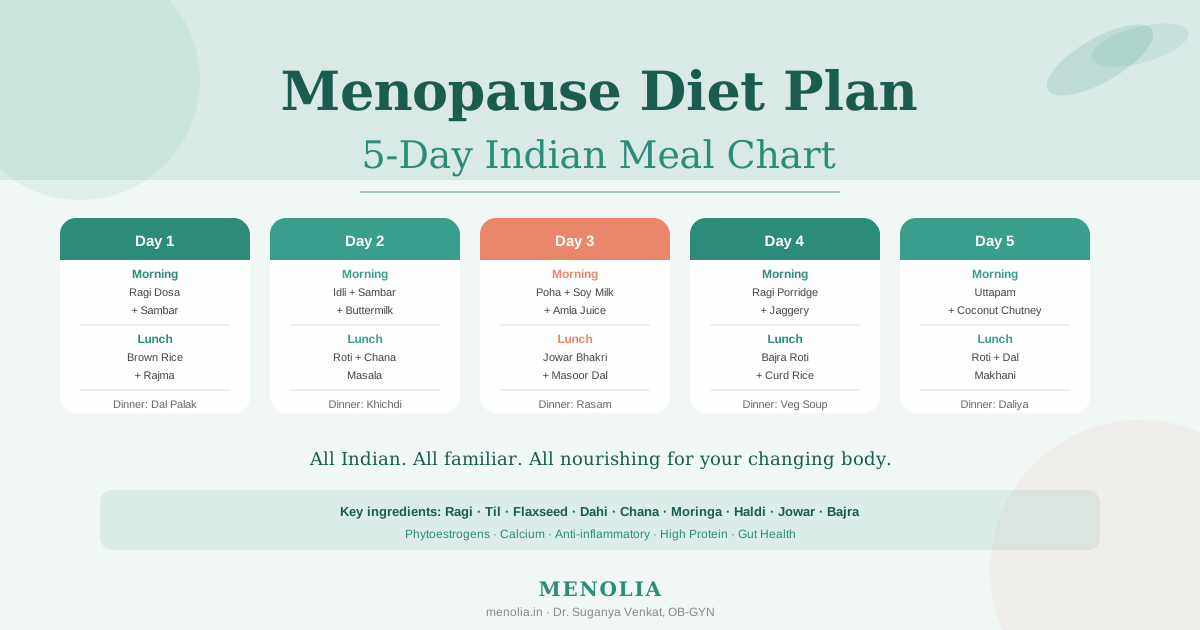
Morning (7 AM): Ragi porridge with ground flaxseeds, topped with pomegranate seeds. Soya milk.
Mid-morning (10 AM): Buttermilk with sabja seeds.
Lunch (1 PM): Jowar roti + soya chunks curry + palak dal + dahi. Til chutney on the side.
Evening snack (4 PM): Handful of pumpkin seeds + fresh fruit.
Dinner (7:30 PM): Brown rice + sambar with haldi + drumstick + rasam. Small bowl of curd rice.
Before bed: Golden milk (warm milk + turmeric + pepper + a teaspoon of ghee).
This single day gives you: flaxseeds, soy, ragi, dahi, til, haldi, sabja, pomegranate, whole grains, all 9 hot flash fighters.
How Long Before You See Results?
Be patient. Dietary changes aren’t medication. They work gradually:
- Week 1-2: You may notice better sleep and energy
- Week 3-4: Hot flash intensity often starts reducing
- Week 6-8: Significant reduction in frequency (the studies showing 50%+ reduction used 6-12 week timelines)
- Month 3+: Full benefits, especially if combined with regular exercise and stress management
The key: Consistency. Eating flaxseeds once a week won’t help. Making these foods a daily habit will.
FAQ
Can food really reduce hot flashes?
Yes. Multiple clinical trials show that phytoestrogen-rich foods (especially flaxseeds and soy) can reduce hot flash frequency by 20-50% over 6-12 weeks. This isn’t folklore. It’s published in peer-reviewed medical journals.
Are phytoestrogens safe?
Yes. Dietary phytoestrogens from whole foods (soy, flaxseeds, sesame) are safe for most women, including breast cancer survivors. They are much weaker than pharmaceutical estrogen and act differently in the body. The American Institute for Cancer Research confirms their safety.
How many flaxseeds should I eat per day?
2 tablespoons (about 20-30g) of ground flaxseeds daily is the amount used in most studies. Always grind them (whole seeds aren’t absorbed) and store in the fridge.
Will soy increase my estrogen levels?
Soy isoflavones have a balancing effect. They can act as weak estrogens when your estrogen is low (menopause) and as anti-estrogens when estrogen is high. They don’t significantly raise blood estrogen levels.
Can these foods replace HRT?
For mild to moderate hot flashes, dietary changes may be sufficient. For severe hot flashes that disrupt your daily life and sleep, HRT is more effective. Many women use both, a healthy diet as a foundation, with HRT for breakthrough symptoms. Discuss with your doctor.
What about supplements instead of food?
Whole foods are always preferable to supplements because they contain the full spectrum of beneficial compounds. A flaxseed supplement isn’t the same as eating ground flaxseeds with their fibre, lignans, and omega-3s. That said, soy isoflavone supplements (40-80mg daily) have good evidence if you don’t eat soy regularly.
I’m vegetarian. Can I still follow this?
Absolutely, all 9 foods are vegetarian! This is actually a plant-forward approach. Vegetarian and vegan women often have fewer hot flashes than meat-eaters, likely due to higher phytoestrogen intake.
Do these foods help night sweats too?
Yes. Night sweats are essentially hot flashes that happen during sleep, and disrupted sleep is one of the most common menopause complaints. The same dietary strategies that reduce hot flashes also reduce night sweats.
Dr. Suganya Venkat is an OB-GYN with 15+ years of experience and founder of Menolia, helping Indian women navigate menopause with evidence-based care and personalised nutrition.
Related reading: Menopause Diet: What to Eat After 45 | Perimenopause Symptoms: Complete Guide | Menopause Weight Gain