You wake up and your knees feel stiff. Your fingers ache when you open a jar. Your shoulders hurt after sitting at your desk for an hour. You think: “Am I getting old? Is this arthritis?”
Here’s what nobody told you: declining oestrogen during perimenopause and menopause, which begins earlier for Indian women than global averages suggest, directly causes joint inflammation and pain. It’s not “just ageing.” It’s a hormonal change, and that means it’s manageable.
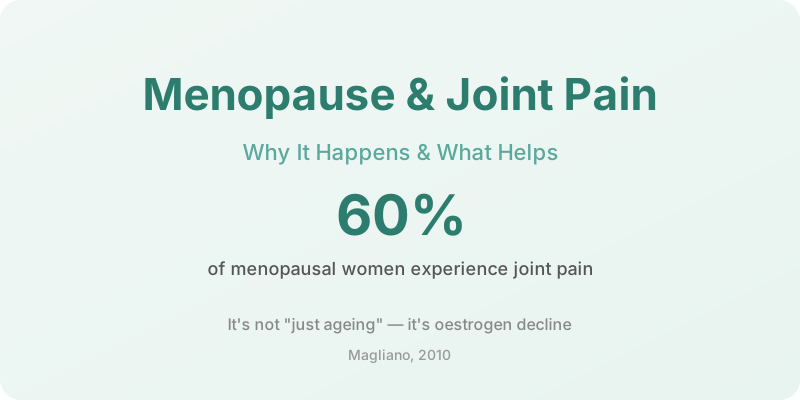
Up to 60% of women in the menopausal transition experience joint pain, stiffness, or body aches (Magliano, 2010). Yet most doctors brush it off as “normal wear and tear” or prescribe painkillers without investigating the root cause.
For more on this, read our guide on Menopause Body Aches. Let’s look at why it happens and what you can actually do about it.
Table of Contents
- Why Menopause Causes Joint Pain
- Which Joints Are Most Affected?
- Is It Menopause or Arthritis?
- 6 Natural Ways to Manage Joint Pain
- Foods That Help and Hurt
- When to See a Doctor
- FAQ
Why Menopause Causes Joint Pain {#why-it-happens}
Oestrogen isn’t just a reproductive hormone. It’s a powerful anti-inflammatory agent. Throughout your reproductive years, oestrogen:
- Protects joint cartilage by stimulating collagen production
- Reduces inflammation by suppressing inflammatory cytokines (IL-1, IL-6, TNF-alpha)
- Maintains synovial fluid: the lubricant that keeps joints moving smoothly
- Supports bone density around joints
When oestrogen drops during perimenopause, you lose this protective effect. The result:
- Cartilage breaks down faster than it regenerates
- Inflammation increases: joints become swollen, warm, and painful
- Synovial fluid decreases: joints feel stiff, especially in the morning
- Tendons and ligaments lose elasticity: you feel “tight” everywhere
A study in Menopause journal (Szoeke et al., 2008) found that joint pain increased significantly during the menopausal transition, independent of age: meaning it’s the hormonal change, not simply getting older, that drives the symptoms.
For more on this, read our guide on Menopause Dry Eyes.
The Inflammation Connection
Perimenopause creates a low-grade chronic inflammatory state in the body. This isn’t the acute inflammation you get from an injury. It’s a subtle, persistent immune activation that affects multiple systems.
Your joints are particularly vulnerable because:
- They have oestrogen receptors (yes, joints respond directly to oestrogen)
- Cartilage has limited blood supply, so it heals slowly
- Inflammatory molecules accumulate in joint fluid
This explains why many perimenopausal women develop aches in multiple joints simultaneously: it’s systemic, not local.
💬 Dealing with joint pain and wondering if it’s menopause-related? Talk to Dr. Suganya Venkat on WhatsApp, let’s figure out what’s going on together.
Which Joints Are Most Affected? {#which-joints}
Research shows the most commonly affected joints during menopause:
| Joint | % of Women Affected | Typical Complaint |
|---|---|---|
| Knees | 45-50% | Stiffness climbing stairs, pain after sitting |
| Fingers/hands | 35-40% | Morning stiffness, difficulty gripping |
| Shoulders | 25-30% | Frozen shoulder, pain reaching overhead |
| Hips | 20-25% | Aching after walking, difficulty with stairs |
| Lower back | 30-35% | Dull persistent ache, worse after standing |
Morning stiffness lasting 15-30 minutes is one of the hallmark signs of menopause-related joint pain. It typically improves once you start moving, unlike rheumatoid arthritis where stiffness lasts much longer.
For more on this, read our guide on Signs of Menopause at 40.
Is It Menopause or Arthritis? {#menopause-or-arthritis}
This is an important distinction. Here’s how to tell:
| Feature | Menopause-Related Joint Pain | Rheumatoid Arthritis | Osteoarthritis |
|---|---|---|---|
| Pattern | Multiple joints, comes and goes | Symmetrical (both hands, both knees) | Usually 1-2 weight-bearing joints |
| Morning stiffness | 15-30 minutes | 30+ minutes, often hours | Brief, <15 minutes |
| Swelling | Mild or none | Visible, warm, red | Bony enlargement |
| When it started | Around perimenopause (40-50) | Can start at any age | Usually after 50 |
| Blood tests | Normal CRP, negative RF | Elevated CRP, positive RF | Usually normal |
| Response to movement | Improves with gentle exercise | Variable | Worsens with overuse |
If you have: severe swelling, symmetrical joint involvement, prolonged morning stiffness (>1 hour), or family history of autoimmune disease, get tested for rheumatoid arthritis. A simple blood test (RF, anti-CCP, CRP) can clarify.
For most perimenopausal women, joint pain is hormone-driven inflammation, not a separate disease.
💜 Real proof this works. Lalitha, 60, was living with rheumatoid arthritis and persistent joint pain for years. In 3 months on a structured, age-appropriate plan, her CRP dropped from 57 to 5 mg/L, and her joint stiffness reduced markedly. Read Lalitha’s full story →
6 Natural Ways to Manage Joint Pain {#natural-management}
1. Anti-Inflammatory Movement (Not Rest)
The instinct when joints hurt is to rest. But inactivity makes menopause-related joint pain worse: joints stiffen further without movement.
What helps:
- Walking: 30 minutes daily, the single most effective intervention. Start with 15 minutes if painful.
- Gentle yoga: Specifically, joint-focused asanas. Tadasana (mountain), Trikonasana (triangle), Virabhadrasana (warrior), gentle Surya Namaskar
- Swimming/water exercise: Zero joint impact, warm water soothes inflammation
- Stretching: 10 minutes morning and evening, target hips, knees, shoulders, fingers
What to avoid:
- High-impact exercise when joints are actively inflamed (running, jumping)
- Prolonged sitting (get up every 30 minutes)
- Ignoring pain, modify exercises, don’t push through sharp pain
2. Anti-Inflammatory Eating
Food is your most powerful daily tool against joint inflammation (many of these same anti-inflammatory foods also help reduce hot flash frequency).
Indian anti-inflammatory foods:
- Haldi (turmeric): curcumin is a studied anti-inflammatory compound. Use with black pepper (piperine increases absorption by 2000%). Add to warm doodh, dal, sabzi.
- Adrak (ginger): reduces inflammatory markers. Fresh ginger in chai, rasam, or grated into warm water.
- Methi (fenugreek) seeds: soaked overnight, eaten on empty stomach. Anti-inflammatory and supports blood sugar.
- Til (sesame seeds): rich in anti-inflammatory compounds. Add to chutneys, sprinkle on rice.
- Omega-3 fatty acids: flaxseeds (alsi), walnuts, and if available, fatty fish (salmon, sardines)
- Ragi: anti-inflammatory, high calcium (supports bone around joints)
- Amla (Indian gooseberry): powerful antioxidant, reduces oxidative joint damage
Foods that worsen joint pain:
- Refined sugar and maida (spike inflammation)
- Excessive fried foods and refined oils
- Processed and packaged snacks
- Excess salt (increases fluid retention and joint swelling)
3. Targeted Supplements
| Supplement | Evidence | Dosage |
|---|---|---|
| Turmeric/Curcumin | Multiple RCTs show reduction in joint pain (Daily et al., 2016) | 500-1000mg curcumin with piperine |
| Omega-3 (Fish oil/Flaxseed oil) | Reduces inflammatory cytokines in joints | 1000-2000mg EPA+DHA |
| Vitamin D | Deficiency worsens joint pain; 70%+ Indian women are deficient | Based on blood levels (aim 40-60 ng/mL) |
| Collagen peptides | Supports cartilage regeneration | 10g daily |
| Magnesium | Reduces muscle tension around joints, improves sleep | 200-400mg at bedtime |
Always check with your doctor before starting supplements, especially if you’re on any medication.
4. Weight Management
Every extra kilogram puts 4 kg of additional force on your knees with each step (Messier et al., 2005), for strategies on managing menopause-related weight gain, see our dedicated guide. For a 10 kg weight gain during perimenopause, that’s 40 kg of extra knee force.
Even a 5 kg weight reduction can reduce knee pain by 50% (Christensen et al., 2007).
This isn’t about looking a certain way. It’s about reducing mechanical stress on joints that are already inflamed from hormonal changes.
5. Heat Therapy
Simple and effective:
- Warm compress on aching joints for 15-20 minutes
- Warm water soaks for hand stiffness (basin of warm water for 10 minutes in the morning)
- Warm bath or shower before bed, relaxes muscles around joints and improves sleep
- Avoid ice unless there’s acute swelling, heat works better for chronic menopause-related pain
6. Sleep Optimisation
Poor sleep increases inflammatory markers (CRP, IL-6), the same markers that drive joint pain. It becomes a vicious cycle: joint pain disrupts sleep, poor sleep worsens inflammation, inflammation increases pain.
- Magnesium at bedtime: supports sleep AND reduces muscle tension
- Consistent sleep timing: same time daily, even weekends
- Dark, cool room: helps with hot flashes and sleep quality
- Pillow between knees if hip or knee pain wakes you at night
💬 Want a personalised plan for managing menopause symptoms? Dr. Suganya Venkat creates holistic protocols covering nutrition, movement, and supplements, tailored to your specific symptoms. Message Dr. Suganya Venkat on WhatsApp to learn more.
Foods That Help and Hurt {#foods}
A Day of Joint-Friendly Eating (Indian)
Morning (empty stomach):
- Soaked methi seeds (1 tsp) + warm water with lemon
Breakfast:
- Ragi porridge with jaggery, almonds, and a pinch of haldi
- OR Moong dal cheela with mint chutney
Mid-morning:
- Amla juice or a handful of walnuts
Lunch:
- Brown rice or millets + dal with haldi + leafy green sabzi cooked in til oil
- Side of curd with grated ginger
Evening:
- Haldi doodh (turmeric milk with pepper) + 2-3 dates
Dinner:
- Roti + sabzi (drumstick, brinjal, or lauki, anti-inflammatory vegetables)
- Small bowl of rasam (tamarind + pepper + haldi, triple anti-inflammatory)
Foods to Minimise
- Biscuits, white bread, maida-based snacks
- Sugary chai (switch to ginger + cinnamon chai without sugar)
- Packaged fruit juices (concentrated sugar)
- Deep-fried foods daily (occasional is fine)
When to See a Doctor {#when-to-see-doctor}
Joint pain during menopause is usually manageable with lifestyle changes. See a doctor if:
For more on this, read our guide on Can Menopause Cause Headaches & Migraines? A Doctor Explains.
- Pain is severe and worsening despite 4-6 weeks of lifestyle changes
- Visible joint swelling, redness, or warmth: could indicate inflammatory arthritis
- Morning stiffness lasting over 1 hour: needs rheumatological evaluation
- Pain in one specific joint with a history of injury, could be osteoarthritis
- Numbness or tingling in hands, could be carpal tunnel (more common in menopause)
- Pain preventing daily activities: work, cooking, walking, sleeping
Your doctor may recommend:
- Blood tests (CRP, ESR, RF, anti-CCP, Vitamin D, thyroid)
- X-ray of affected joints
- Referral to a rheumatologist if autoimmune arthritis is suspected
FAQ {#faq}
Is joint pain a normal part of menopause?
Yes. up to 60% of menopausal women experience it. It’s driven by declining oestrogen, which normally protects joints from inflammation. While common, it’s not something you should just “live with”, it responds well to lifestyle changes.
Will the joint pain go away after menopause?
For many women, the worst joint pain occurs during the perimenopausal transition when hormone levels are fluctuating. Some women experience improvement once they’re fully postmenopausal, while others have persistent symptoms. Lifestyle management helps in both scenarios.
Can turmeric really help with joint pain?
Yes. curcumin (the active compound in turmeric) has strong evidence for reducing joint pain. A meta-analysis of RCTs (Daily et al., 2016) found it comparable to NSAIDs for pain relief. The key is taking it with black pepper (piperine) to improve absorption, and using therapeutic doses (500-1000mg curcumin, not just a pinch in food).
Should I stop exercising if my joints hurt?
No. gentle movement is one of the best treatments. Inactivity worsens stiffness. Focus on low-impact exercise: walking, swimming, gentle yoga. Modify intensity if pain is acute, but don’t stop moving entirely.
Is this related to osteoporosis?
Joint pain and osteoporosis are both driven by oestrogen decline but they’re different conditions. Joint pain involves inflammation of the joint lining and cartilage. Osteoporosis involves loss of bone density. They can coexist. If you have joint pain, getting a bone density scan (DEXA) after menopause is also recommended.
What’s the difference between joint pain and muscle pain in menopause?
Joint pain is localised to specific joints (knees, hands, shoulders), worsens with movement or after rest, and involves stiffness. Muscle pain tends to be more diffuse (widespread aching), often described as feeling like you “did a workout you didn’t do.” Both can occur together during menopause.
Dr. Suganya Venkat is an OB-GYN with 15+ years of experience and founder of Menolia, supporting Indian women through the menopausal transition with evidence-based, holistic care.
Related reading: Bone Health During Menopause | Perimenopause Symptoms | Menopause and Sleep