Ask most women what their biggest health fear is, and they’ll say cancer. Ask what actually kills most women, and the answer is very different: heart disease.
Cardiovascular disease is the number one cause of death among Indian women. Not breast cancer. Not cervical cancer. Heart disease. And the risk rises dramatically after menopause.
Yet when women go through menopause, the conversations are usually about hot flashes, mood swings, and weight gain. Rarely does anyone sit them down and say: “Your heart disease risk just increased significantly. Here’s what you need to do about it.”
This is that conversation.
The Estrogen Shield: What Changes After Menopause
Before menopause, women have a significant cardiovascular advantage over men. The reason is estrogen.
Estrogen does several important things for your heart:
- Keeps blood vessels flexible and dilated: allowing smooth blood flow
- Maintains healthy cholesterol levels: keeping HDL (good cholesterol) high and LDL (bad cholesterol) low
- Reduces inflammation in blood vessel walls
- Helps regulate blood pressure
- Improves insulin sensitivity: reducing diabetes risk
This is why heart attacks in women under 50 are relatively rare compared to men of the same age.
After menopause, estrogen levels drop by about 90%. And with that drop, every single one of these protective effects diminishes.
Within 10 years of menopause, a woman’s cardiovascular risk catches up to (and sometimes exceeds) that of men the same age.
The Numbers That Should Worry Us
Let’s look at the data specifically for Indian women:
- Heart disease causes 18% of all female deaths in India: the single largest cause
- Indian women develop heart disease 10 years earlier than Western women on average
- Women who reach menopause before age 45 (premature menopause) have a 50% higher risk of cardiovascular disease
- South Asian women have 3-5 times higher rates of metabolic syndrome compared to European women
- 60% of Indian women over 50 have at least one cardiovascular risk factor they’re unaware of
The tragedy is that most of this is preventable. But you can’t prevent what you don’t know about.
What Changes in Your Body After Menopause
Understanding the specific changes helps you know what to watch for.
Cholesterol Shifts
Before menopause, estrogen keeps your lipid profile favourable. After menopause:
- Total cholesterol rises by 10-15% on average
- LDL (bad cholesterol) increases: and the particles become smaller and denser (more dangerous)
- HDL (good cholesterol) decreases: losing the protective effect
- Triglycerides increase: especially problematic for Indian women who already tend to have higher triglyceride levels
Many women who had “perfectly normal” cholesterol reports in their 30s and 40s are shocked to see elevated numbers in their 50s. This isn’t because they suddenly started eating poorly. It’s a hormonal shift.
The good news: the numbers can move back quickly when the approach is right for postmenopausal physiology. Lalitha, 60, brought her total cholesterol from 272 to 197 mg/dL (now in normal range) in under 20 days on our program, and her LDL from 183.9 to 113 over 3 months.
Blood Pressure Climbs
Estrogen helps keep blood vessels relaxed. Without it:
- Blood vessels become stiffer
- Blood pressure gradually rises
- The difference between systolic and diastolic pressure widens (called pulse pressure, a risk marker)
- Salt sensitivity increases
In India, 1 in 3 women over 50 has hypertension: and half of them don’t know it because they’ve never been screened or don’t check regularly.
Blood Sugar and Insulin Resistance
The menopause transition is associated with:
- Increased insulin resistance (even without weight gain)
- Higher fasting glucose levels
- Greater risk of developing Type 2 diabetes
- More central (abdominal) fat deposition, which worsens metabolic risk
For Indian women, this is particularly dangerous because we already have a genetic predisposition to insulin resistance and diabetes. Menopause adds fuel to an existing fire.
Inflammation and Clotting
After menopause:
- Markers of inflammation (like CRP) tend to rise
- Blood becomes slightly more prone to clotting
- Arterial plaques can become less stable
This combination increases the risk of both heart attacks and strokes.
Heart Attack Symptoms in Women: What Gets Missed
Here’s a critical fact that could save your life or the life of someone you love: heart attack symptoms in women are often different from men.
The classic image of a heart attack, clutching your chest, crushing pain radiating down the left arm, is actually the typical male presentation. Women often experience:
- Unusual fatigue that doesn’t go away with rest
- Shortness of breath: feeling winded doing normal activities
- Pain or discomfort in the jaw, neck, back, or upper abdomen
- Nausea or vomiting (often dismissed as “gastric problem”)
- Dizziness or lightheadedness
- Cold sweats
- A general feeling that “something is wrong”
Many women (and their doctors) miss these symptoms because they don’t match the “typical” heart attack picture. Women are more likely to be told it’s anxiety, acidity, or stress and sent home without proper cardiac evaluation.
If you’re a woman over 45 and you experience any combination of these symptoms, especially if they come on suddenly and feel different from anything you’ve experienced before, go to the hospital. Don’t wait.
What Indian Women Can Do: A Practical Action Plan
The good news is that heart disease is largely preventable. Here’s what to do, broken down into immediate steps and ongoing habits.
Step 1: Know Your Numbers
Every woman should know these numbers by age 45, and track them annually:
| Test | Healthy Range | How Often |
|---|---|---|
| Blood pressure | Below 120/80 mmHg | Every 6 months |
| Total cholesterol | Below 200 mg/dL | Annually |
| LDL cholesterol | Below 100 mg/dL | Annually |
| HDL cholesterol | Above 50 mg/dL | Annually |
| Triglycerides | Below 150 mg/dL | Annually |
| Fasting blood sugar | Below 100 mg/dL | Annually |
| HbA1c | Below 5.7% | Annually |
| Waist circumference | Below 80 cm (Indian women) | Monthly |
Don’t wait for symptoms. Heart disease builds silently over years. By the time you feel something, significant damage may already be done.
Step 2: Move Every Day
Exercise is the single most effective thing you can do for your heart after menopause. It:
- Lowers blood pressure
- Improves cholesterol ratios
- Improves insulin sensitivity
- Reduces inflammation
- Helps manage weight
- Reduces stress
The minimum effective dose:
- 150 minutes per week of moderate exercise (brisk walking, swimming, cycling)
- That’s just 30 minutes, 5 days a week
- Plus 2 days of strength training (even bodyweight exercises count)
Indian-friendly options:
- Brisk morning walks (6:00-7:00 AM to beat the heat)
- Yoga, especially Surya Namaskar, which combines cardio and strength
- Stair climbing (if you live in an apartment, this is free and effective)
- Dance. Bharatanatyam, Zumba, or even just playing music and moving in your living room
- Swimming, excellent for joints and heart, many cities now have women’s batches
The single most important rule: Consistency beats intensity. A daily 30-minute walk does more for your heart than an occasional intense gym session.
💚 Worried about your heart health after menopause? Dr. Suganya can help you understand your risk factors and create a personalised plan. Talk to her on WhatsApp →
Step 3: Eat for Your Heart
The Indian diet can be extremely heart-healthy, or extremely heart-damaging. The difference is in the details.
Heart-protective Indian foods:
- Whole grains: Ragi (nachni), jowar, bajra, oats, brown rice. These are rich in fiber that actively lowers cholesterol
- Legumes and dals: Rajma, chana, moong, masoor, high in fiber and plant protein, excellent for blood sugar control
- Fish: If you eat non-vegetarian, fatty fish like sardines (mathi), mackerel (bangda), and salmon are rich in omega-3 fatty acids that directly protect the heart
- Nuts and seeds: A handful daily, almonds, walnuts (the best for heart health), flaxseeds (alsi), chia seeds
- Vegetables: Every colour, every meal. Leafy greens (palak, methi, keerai) are especially good for blood pressure
- Dahi (curd): Fermented foods support gut health, which is linked to cardiovascular health
- Haldi (turmeric): Powerful anti-inflammatory. A pinch in your dal or milk actually does help.
- Garlic: Has modest but real effects on blood pressure and cholesterol
What to reduce:
- Refined oils and trans fats: Vanaspati (dalda), reheated oil, packaged snacks with “partially hydrogenated” oils. These are the biggest dietary villains for heart health
- Excess salt: Indian cooking tends to be salt-heavy. Aim for less than 5g/day (about 1 teaspoon). Use lemon, herbs, and spices for flavour instead.
- Sugar and refined carbs: Mithai, sugary chai (3-4 spoons of sugar per cup adds up), white bread, maida-based snacks
- Processed foods: Packaged namkeen, instant noodles, ready-to-eat meals
Cooking tips:
- Use cold-pressed oils: groundnut oil, coconut oil, mustard oil, or sesame oil (rotate them)
- Don’t reuse frying oil: it generates trans fats
- Steam, pressure cook, or sauté instead of deep frying
- Add flaxseed powder to dough, dahi, or smoothies for omega-3s
Step 4: Manage Your Weight. Especially Belly Fat
After menopause, weight tends to shift to the abdomen. This visceral fat (around your organs) is metabolically dangerous, far more so than fat on your hips or thighs.
Waist circumference is more important than weight for heart risk. For Indian women, a waist measurement above 80 cm signals increased cardiovascular risk.
You don’t need to be thin. You need to keep abdominal fat in check through:
- Regular exercise (especially strength training)
- Blood sugar-stable eating
- Adequate sleep (7-8 hours)
- Stress management
Step 5: Don’t Ignore Stress and Sleep
Chronic stress directly damages your cardiovascular system by:
- Keeping blood pressure elevated
- Promoting inflammation
- Disrupting sleep
- Leading to emotional eating
Poor sleep (less than 6 hours or disrupted sleep) is an independent risk factor for heart disease.
Practical suggestions:
- 10 minutes of pranayama or meditation daily (even using an app)
- Limit news and social media before bed
- Keep a consistent sleep schedule
- Talk to someone if you’re feeling overwhelmed, mental health IS heart health
Step 6: Know When to Talk to Your Doctor
Have a dedicated conversation with your doctor about heart health if:
- You’ve reached menopause (or are in perimenopause)
- You have a family history of heart disease (parent or sibling who had a heart attack before 55 for men or 65 for women)
- Your cholesterol, blood pressure, or blood sugar numbers are creeping up
- You had gestational diabetes or preeclampsia during pregnancy (these are long-term risk markers)
- You reached menopause before age 45
- You smoke or used to smoke
Ask specifically about:
- Whether you need a cardiac risk assessment
- Whether statin therapy might be appropriate for your cholesterol levels
- Whether low-dose aspirin is recommended for you
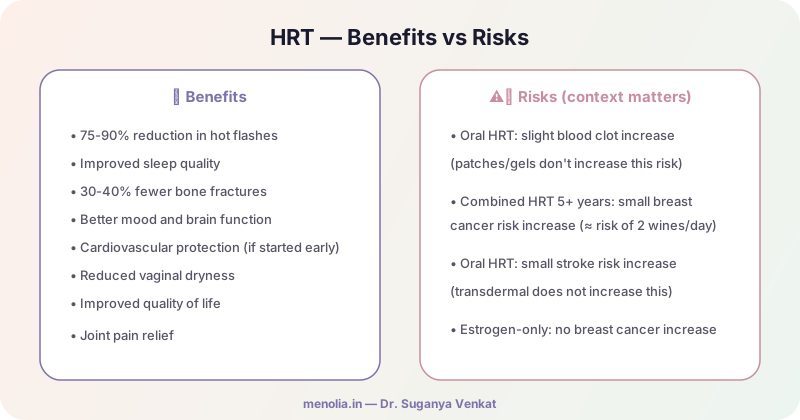
- Whether HRT might have cardiovascular benefits in your case (the data shows potential benefit when started within 10 years of menopause)
The Role of HRT in Heart Protection
This is a nuanced topic, but here’s what the current evidence says:
- HRT started within 10 years of menopause (the “window of opportunity”) may have cardiovascular benefits
- HRT started after age 60 or more than 10 years post-menopause may increase cardiovascular risk
- The type, dose, and route of HRT matters (transdermal estrogen appears safer for the heart than oral)
For more on this, read our guide on Post-Menopause.
- HRT is not primarily a heart disease prevention strategy, but cardiovascular effects should be part of the decision
This is a conversation to have with your doctor, not a decision to make from a blog post. But it’s worth having.
A Simple Monthly Heart Health Checklist
Print this. Stick it on your fridge.
- Checked blood pressure this month
- Exercised at least 20 days this month
- Ate fish or omega-3 sources at least 8 times this month
- Ate 5+ servings of vegetables most days
- Slept 7+ hours most nights
- Managed stress actively (yoga, breathing, walking, talking)
- Took prescribed medications regularly (if any)
- Kept waist circumference below 80 cm
The Bottom Line
Menopause is not the beginning of decline. It’s a signal to pay attention to things that were quietly being protected before, and your heart is at the top of that list.
The same woman who schedules mammograms and Pap smears often never thinks about a lipid profile or blood pressure check. That needs to change.
Heart disease in women is preventable, treatable, and manageable: but only if you know it’s a risk and take action before symptoms appear.
You’ve spent decades taking care of everyone else. This is your body asking you to take care of it. And it starts with your heart.
For related guides, read about the menopause diet, weight management, and HRT options.
Frequently Asked Questions
Why does heart disease risk increase after menopause?
Oestrogen protects blood vessels, maintains healthy cholesterol ratios, and keeps arteries flexible. When oestrogen drops, LDL rises, vessels stiffen, and inflammation increases.
What are heart attack symptoms in women?
Women’s symptoms differ from men’s: unusual fatigue, shortness of breath, jaw/neck/back pain, nausea, and chest pressure (not always sharp pain). Seek help immediately if you experience these.
Does HRT protect the heart?
When started within 10 years of menopause, HRT appears to reduce cardiovascular risk. Starting later may not provide the same benefit, timing matters.
What’s the best exercise for heart health?
Brisk walking 30-40 minutes, 5 days/week, plus 2 strength sessions. Even 10 minutes daily helps. The combination improves cholesterol, blood pressure, and insulin sensitivity.
Should I get my heart checked after menopause?
Yes. Lipid profile, blood pressure, fasting blood sugar, and family history review. If you have risk factors, ask about a cardiac risk assessment.
Protect Your Heart During Menopause
₹399 consultation · Cardiovascular risk assessment · Personalised plan