There is a particular kind of quiet that settles after your last period. You may not even realise it has happened at the time. You count back through the months and realise a year has passed without bleeding, and with that realisation comes a question: what comes next?
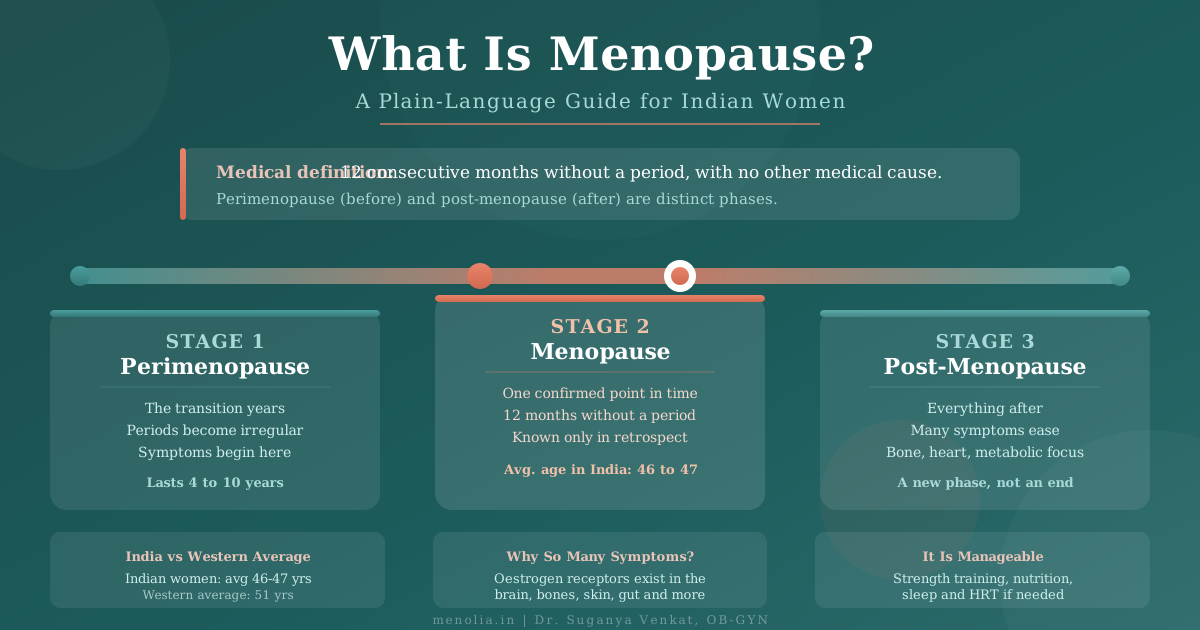
Post-menopause is the phase that follows once 12 consecutive months have passed since your final period. The hormonal turbulence of perimenopause settles. Oestrogen does not disappear entirely, but it stabilises at a new, much lower level rather than swinging unpredictably. For many women, this brings genuine relief. The erratic sleep, the sudden heat, the mood shifts that arrived without warning, they often ease considerably.
For more on this, read our guide on Stages of Menopause. At the same time, the sustained low-oestrogen environment creates a different set of changes in bone, heart, metabolism, and tissue. These are not emergencies or crises. They are physiological shifts that respond well to clear, practical steps taken consistently.
This guide explains what to expect in your post-menopause years, what to monitor, and what actually makes a measurable difference.
What Happens to Your Hormones After Menopause
During perimenopause, oestrogen fluctuates dramatically. This is what drives most of the acute symptoms: hot flashes, irregular periods, sudden emotional changes, disrupted sleep. The variability is the disruptive part.
After menopause, the fluctuations stop. Oestrogen settles at a lower baseline produced mainly by the adrenal glands and adipose (fat) tissue rather than the ovaries. Progesterone, which depends on ovulation, falls to negligible levels. Testosterone also declines, though more gradually.
This hormonal stabilisation is why many women notice genuine improvement in some symptoms after menopause. The heat waves that struck without warning often become less frequent or less intense. The emotional volatility that characterised the perimenopause years tends to calm. Sleep, if sleep was disrupted by night sweats, often improves.
The trade-off is that the protective effects oestrogen had on bone, blood vessels, and other tissues are now reduced. Understanding this helps you know exactly where to direct your attention.
Symptoms That Often Improve After Menopause
Hot flashes and night sweats are the symptoms women most associate with menopause, and for good reason. They are among the most disruptive.
Research from the Study of Women’s Health Across the Nation (SWAN) found that hot flash symptoms persist for a median of about 7.4 years across the entire menopause transition. However, for many women, the intensity and frequency of hot flashes decreases meaningfully once periods stop altogether and oestrogen stops swinging. Women who had the most severe hot flashes during perimenopause may still experience them for several years into post-menopause, but the pattern typically becomes more predictable and less overwhelming.
Mood instability, anxiety, and difficulty concentrating are also frequently reported to ease in the post-menopause years once the hormonal rollercoaster stops. If significant mood symptoms persist beyond menopause, it is worth a conversation with a doctor rather than waiting, as they may respond to specific interventions.
Irregular, heavy, or unpredictable periods are, by definition, over. This is something many women find deeply freeing after years of managing erratic cycles.
Bone Density: The Quiet Shift
Of all the long-term health changes that accompany post-menopause, bone density loss is the one that receives the most clinical attention, for good reason.
Oestrogen plays a direct role in regulating the balance between bone formation and bone breakdown. When oestrogen falls, bone breakdown accelerates. The International Osteoporosis Foundation notes that women can lose a significant proportion of their bone density in the five to seven years immediately following menopause, with loss then slowing to a more gradual rate. This makes the early post-menopause years the most important window for protective habits.
Indian women face particular consideration here. Vitamin D deficiency is widespread across India due to limited sun exposure, dietary habits, and skin pigmentation, and low vitamin D impairs calcium absorption regardless of how much calcium you consume.
What actually helps:
Weight-bearing exercise is the single most evidence-backed intervention for preserving bone density. This means activities where your bones bear your body weight: brisk walking, stair climbing, dancing, low-impact aerobics. Resistance training (working with weights, resistance bands, or your own body weight) adds an additional layer of benefit by building the muscle that protects bone. Our exercise during menopause guide covers this in detail.
Calcium from food is preferred over supplements as the first approach. Good Indian food sources include:
- Ragi (finger millet): among the highest plant-based calcium sources in the Indian diet. Two rotis made with ragi flour contribute meaningfully.
- Dahi (curd): a daily serving provides calcium alongside probiotics that support gut health.
- Sesame seeds (til): a tablespoon added to dal, chutneys, or rice is an easy addition.
- Amaranth (rajgira): another traditional grain with strong calcium content.
- Green leafy vegetables: drumstick leaves (moringa), curry leaves, and green fenugreek (methi) are particularly rich.
Vitamin D is best assessed with a simple blood test first. Once you know your level, your doctor can guide you on whether supplementation is appropriate and at what dose. Our menopause supplements guide explains the evidence for vitamin D specifically.
A DEXA scan (bone density test) is recommended for women at or around menopause. If your scan is normal, a repeat in two to three years gives you a baseline and shows you whether your interventions are working.
Heart Health: The Risk That Rises After 50
For most of their reproductive years, women have a lower risk of cardiovascular disease compared to men of the same age. Oestrogen has a protective effect on blood vessels, supporting their flexibility and helping maintain a favourable cholesterol profile.
After menopause, this protection reduces. LDL (low-density lipoprotein, sometimes called bad cholesterol) typically rises. Blood vessel walls become slightly stiffer. Blood pressure often increases. The cardiovascular risk profile of post-menopausal women gradually approaches that of men of a similar age.
This does not mean heart disease is inevitable. It means that the habits which protect your heart, which were already important, become more urgent in the post-menopause years.
What the evidence supports:
A diet rich in whole grains (oats, ragi, bajra, jowar), pulses and legumes (dal, rajma, chana), and vegetables with minimal processed foods and refined sugar is the foundation. Mustard oil and groundnut oil, used in Indian cooking, contain heart-protective unsaturated fats. Ghee in moderation as part of a balanced diet is not the villain it is sometimes made out to be, but refined vegetable oils and ultra-processed foods warrant reduction.
Regular aerobic exercise is as important for heart health as it is for bone health. Even 30 minutes of brisk walking on most days of the week shows measurable cardiovascular benefit.
A lipid panel (cholesterol test) and blood pressure check should be part of your annual review in post-menopause. If your blood pressure or cholesterol has shifted, catching it early means more options. Our menopause and heart health guide covers the cardiovascular changes in depth.
Genitourinary Changes: What Changes Below the Waist
Oestrogen plays a significant role in maintaining the tissue of the vagina, vulva, and lower urinary tract. When oestrogen drops, these tissues become thinner, less lubricated, and more easily irritated. Clinicians now use the term Genitourinary Syndrome of Menopause (GSM) to describe this cluster of changes, first formally defined by Portman and Gass in 2014 in the journal Menopause.
GSM includes vaginal dryness and discomfort, a shortened or narrowed vaginal canal, increased sensitivity to soaps and clothing, urinary urgency, and a higher susceptibility to urinary tract infections. Unlike hot flashes, which often improve with time, GSM tends to worsen gradually if not addressed, because without oestrogen, the tissue does not regenerate on its own.
The good news is that effective, low-risk options exist. Local vaginal oestrogen (in the form of a cream, ring, or pessary) acts on the tissue directly with minimal systemic absorption, and most gynaecologists consider it safe for long-term use. Non-hormonal options including lubricants (used during intercourse) and vaginal moisturisers (used regularly) also provide meaningful relief.
This is a conversation worth having with your doctor rather than something to tolerate silently. Our vaginal dryness guide covers the options in detail.
If you are experiencing frequent urinary tract infections in post-menopause, our menopause and UTIs guide explains the connection and what to do about it.
Metabolism and Weight in Post-Menopause
The weight changes during menopause that many women notice during perimenopause can continue into post-menopause. The hormonal shift, particularly the fall in oestrogen, changes where the body stores fat. Visceral fat (the fat around abdominal organs) tends to increase even when overall weight stays similar.
This matters because visceral fat is more metabolically active than subcutaneous fat and is more closely associated with cardiovascular and metabolic risk. However, it also responds to lifestyle change more readily than many women expect.
Insulin sensitivity often decreases after menopause. This means blood sugar management deserves attention even if you have never had concerns before. A fasting blood glucose test as part of your annual check is worth including.
Practical steps that help include:
- Eating protein at each meal to maintain muscle mass (dal, curd, paneer, eggs, fish, chicken)
- Avoiding long gaps between meals, which can disrupt blood sugar stability
- Prioritising strength training alongside aerobic activity
- Reducing refined carbohydrates and processed sugar rather than eliminating carbohydrates entirely
Brain, Sleep, and Mood After Menopause
Brain fog, memory lapses, and low mood are common complaints during perimenopause. For many women, these ease considerably in post-menopause as the hormonal volatility settles. However, sleep quality, which affects cognition and mood significantly, can remain disrupted for some women.
If sleep problems persist into post-menopause, they are worth addressing directly rather than assuming they will resolve on their own. Consistent sleep timing, a cooler bedroom, limiting caffeine after noon, and avoiding screens in the hour before sleep all have evidence behind them.
Brain fog and memory that persist well into post-menopause deserve a medical check to rule out thyroid dysfunction, vitamin B12 deficiency, and anaemia, all of which are more common in women over 50 and all of which are entirely treatable.
Anxiety or persistent low mood that continues beyond the transition period is not something you need to accept. Effective support is available, and reaching out to a doctor is the right first step.
Health Screenings to Prioritise After Menopause
Post-menopause is the stage at which a few health checks shift from “good idea” to genuinely important. These are the ones worth discussing with your doctor:
DEXA scan (bone density): Establishes a baseline and guides decisions about bone health.
Lipid panel: Cholesterol changes after menopause, and knowing your numbers lets you act early if needed.
Blood pressure: Should be checked at least annually. Post-menopause is when blood pressure tends to rise.
Fasting blood glucose and HbA1c: Screens for insulin resistance and early diabetes, which become more common after menopause.
Thyroid function (TSH): Thyroid disorders are more common in women over 40. Symptoms overlap significantly with menopause. Our thyroid and menopause guide explains the overlap.
Cervical screening (Pap smear): Continue as recommended by your doctor. Post-menopause does not mean you stop needing this.
Breast screening: Mammography recommendations vary by individual risk. Discuss your personal timeline with your gynaecologist.
If You Want Personalised Guidance
Every woman’s post-menopause experience is different. The changes described above are real, but how they show up, and what makes the most difference, depends on your individual health history, your test results, and your specific symptoms.
If you are navigating post-menopause and want to understand what is happening in your body, or if you want a structured plan for this phase of your life, I am here to help.
WhatsApp me directly at wa.me/919940270499. A simple message with what you are experiencing is enough to start.
Practical Steps to Take Now
Here is a short, actionable summary for post-menopause health:
For your bones:
- Walk, dance, or do some form of weight-bearing activity daily
- Add ragi to your diet at least a few times a week (ragi mudde, ragi roti, ragi porridge)
- Include dahi and til daily
- Get your vitamin D level tested
For your heart:
- Get an annual lipid panel and blood pressure check
- Increase pulses, whole grains, and vegetables in your daily diet
- Aim for 150 minutes of moderate aerobic activity per week
For urogenital comfort:
- Do not tolerate dryness or discomfort as something you must accept
- Ask your gynaecologist specifically about local oestrogen or moisturiser options
- Stay well-hydrated
For your mind:
- Protect sleep as a non-negotiable priority
- Address persistent mood changes rather than waiting them out
- Stay socially connected, as isolation has a measurable negative impact on cognitive health
Frequently Asked Questions
How long does post-menopause last? Post-menopause lasts for the rest of your life. The term refers to the phase that begins 12 months after your final period and continues indefinitely. Over time, the body adjusts to the new hormonal baseline and most acute symptoms are significantly reduced.
Do hot flashes stop after menopause? For many women, hot flashes become less frequent and less severe once periods stop completely. Research suggests that hot flash symptoms can persist for several years into post-menopause for some women, particularly those who had severe symptoms during perimenopause. They typically continue to ease over time.
Is weight gain inevitable in post-menopause? Weight gain is common but not inevitable. The hormonal shift changes how and where the body stores fat, making the midsection more susceptible. However, consistent strength training, a protein-adequate diet, and reduced refined carbohydrates all have strong evidence for managing post-menopause weight. It requires more deliberate effort than in younger years, but it is absolutely achievable.
What is the most important health test for post-menopause women? A DEXA scan (bone density test) and a fasting lipid panel are the two tests that most directly reflect the major health shifts of post-menopause, bone loss and cardiovascular risk. Blood pressure measurement and fasting blood glucose are equally important to include in an annual review. Discuss the right timing with your doctor based on your individual history.
Can sex be comfortable again after menopause? Yes. Genitourinary Syndrome of Menopause (GSM) is the medical term for the vaginal and urinary tissue changes after menopause, and it responds well to treatment. Local vaginal oestrogen, used under medical guidance, has a strong evidence base. Non-hormonal lubricants and moisturisers also provide significant relief. Our sex and libido after menopause guide covers this fully.
Should I be worried about osteoporosis? Rather than worry, the more useful frame is awareness and action. Bone density loss is a real consequence of oestrogen reduction, and the five to seven years immediately after menopause are the most important window to protect your bones. A DEXA scan gives you your actual bone density reading. Weight-bearing exercise and calcium and vitamin D from food and, if needed, supplements are highly effective at slowing bone loss. Women who take consistent action in this window do much better in the long term.
Is post-menopause the same for Indian women? The physiological changes are universal, but the context matters. Indian women tend to have higher rates of vitamin D deficiency, which compounds bone loss risk. Dietary patterns vary widely, and traditional Indian foods like ragi, dahi, sesame, and moringa provide excellent nutrition for post-menopause health when included regularly. Cultural expectations around ageing and body changes also affect how women experience and seek help for symptoms, which is part of why having a doctor who understands this context matters.
A Note From Dr. Suganya Venkat
Post-menopause is not an ending. It is a new phase with its own biology, its own needs, and its own possibilities. The women I see who navigate this phase best are not the ones who worried the most. They are the ones who got curious about what was happening in their bodies, made a few key changes, and kept the right health checks in view.
If you are in post-menopause and want to talk through what you are experiencing, or if you are approaching menopause and want to understand what lies ahead, reach out.
WhatsApp me at wa.me/919940270499. I am happy to help you make sense of where you are and what would actually help.
Dr. Suganya Venkat, OB-GYN with 15+ years of clinical experience. DNB OB-GYN (GKNM, Coimbatore) · MD Pathology (CMC Vellore) · MBBS with 5 Gold Medals (SRMC).