You have had the same diet for years. You have not gained significant weight. Nothing obvious has changed. But your blood test results came back, and your cholesterol numbers look different from the last time. Your doctor mentioned a retest, or a dietary plan, or statins. You came home and started searching.
If you are between 40 and 55, oestrogen is almost certainly behind this shift.
Cholesterol changes during perimenopause and menopause are one of the most consistent and predictable physiological events of the transition. They are also one of the least explained. Most women are told their numbers have changed and handed a dietary pamphlet. Very few are told why the numbers changed in the first place, what exactly shifted, and what actually moves those numbers back in the right direction.
This post covers exactly that.
What Oestrogen Does for Your Cholesterol
Oestrogen is not just a reproductive hormone. It is one of the most active regulators of how your liver processes fat.
It increases LDL receptor activity. Your liver has specialised receptors whose job is to pull LDL (low-density lipoprotein, commonly called bad cholesterol) from the bloodstream and break it down. Oestrogen keeps these receptors active and responsive. More active receptors mean more LDL is cleared from the blood, keeping your LDL number lower.
It supports HDL production. HDL (high-density lipoprotein, called good cholesterol) acts as a cleanup crew, transporting excess cholesterol from tissues back to the liver for processing. Oestrogen promotes the production of the proteins that build HDL particles. Higher oestrogen generally means higher HDL.
It keeps triglycerides in check. Oestrogen influences how the liver handles fats after meals, moderating how much is stored as triglycerides (a type of blood fat) versus cleared from circulation. This balance tends to be more favourable when oestrogen levels are stable.
The result of all this: during the reproductive years, oestrogen gives women a measurable cholesterol advantage over men of the same age. HDL tends to be higher, LDL tends to be lower, and cardiovascular risk tends to be lower. This is not luck. It is hormonal protection that most women do not know they have until it begins to change.
What Happens When Oestrogen Falls
When oestrogen begins to fall in perimenopause and continues declining through menopause, all three of the above mechanisms are disrupted, often simultaneously.
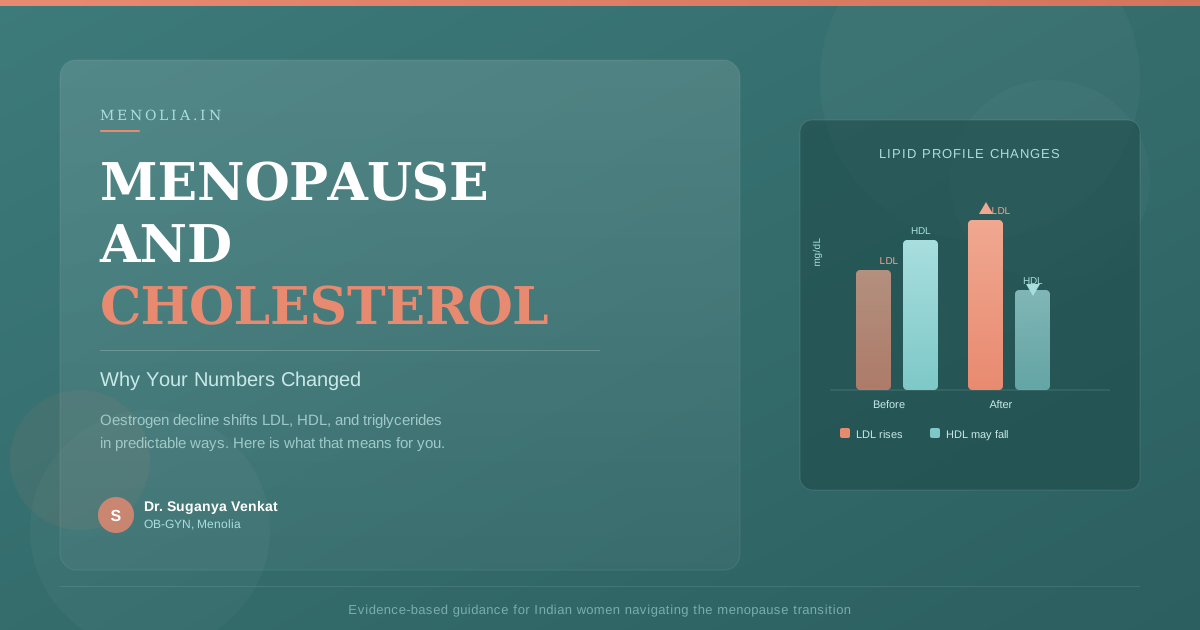
LDL rises. With fewer active LDL receptors in the liver, LDL clearance slows. LDL particles accumulate in the bloodstream. Total LDL levels typically increase by 10 to 15 percent during the menopausal transition. The particles also tend to become smaller and denser, which research suggests carries more cardiovascular risk than larger LDL particles at the same absolute level.
HDL may decrease. Not all women see a sharp HDL drop, but the production mechanisms that oestrogen was supporting are now less active. In women who already had borderline HDL levels, this reduction can push them below the protective threshold.
Triglycerides tend to rise. As oestrogen declines, the liver’s fat-processing efficiency changes. Triglycerides, particularly after meals, tend to stay elevated for longer. This is often the first number women notice changing, because it responds to both dietary patterns and the hormonal shift together.
What most women experience: they get bloodwork done in their late 40s or early 50s, see numbers that look meaningfully different from their 30s, and genuinely have not changed their diet or lifestyle. The reason is not what they ate last week. It is what their ovaries stopped producing.
Understanding Your Cholesterol Report
If you have a recent lipid panel in front of you, here is what to look at and what the numbers mean in the context of menopause.
Total cholesterol: A combined figure that includes LDL, HDL, and a fraction of triglycerides. On its own it is less useful than looking at the individual components. A rise in total cholesterol is expected during the transition and is not automatically a cause for alarm, but it does indicate the need to understand what is driving it.
LDL (low-density lipoprotein): The primary focus for most women. Below 100 mg/dL is considered optimal. Between 100 and 129 mg/dL is near-optimal. Above 130 mg/dL warrants a conversation with your doctor, particularly if other risk factors are present such as family history of early heart disease, high blood pressure, diabetes, or smoking.
HDL (high-density lipoprotein): Above 50 mg/dL for women is protective. Below 50 mg/dL is a risk factor in itself, regardless of what your LDL number says. A high LDL with a high HDL is a very different clinical picture from a high LDL with a low HDL.
Triglycerides: Below 150 mg/dL is the target. Between 150 and 199 mg/dL is borderline. Above 200 mg/dL is elevated and, in post-menopausal women, is particularly associated with cardiovascular risk when combined with low HDL.
The ratio that matters: Your total cholesterol divided by your HDL gives a ratio. Below 4.5 is generally considered acceptable; below 3.5 is better. This ratio tells you more about your cardiovascular risk than any single number in isolation.
If you had a lipid panel in your 30s or early 40s, comparing it to your current one is useful. The shift that occurred during the menopausal transition is more informative than any single reading.
Practical Indian Dietary Steps That Actually Move the Numbers
Diet alone cannot fully compensate for the loss of oestrogen’s protective effects. But specific dietary choices have good evidence behind them for each part of the lipid panel.
To Lower LDL
Soluble fibre is the most effective dietary tool. Soluble fibre binds to cholesterol in the gut before it is absorbed into the bloodstream. The more soluble fibre in your diet, the less LDL enters circulation.
Best Indian sources:
- Oats (daliya, oats upma, oats kanji) are the most studied source. Three grams of beta-glucan daily, found in roughly one to one and a half cups of cooked oats, produces a measurable LDL reduction in clinical trials.
- Dal and legumes (toor dal, moong, chana, rajma, masoor) are high in soluble fibre and already a daily staple in most Indian kitchens. A good-sized serving of dal at two meals per day consistently supports lower LDL over time.
- Ragi (finger millet) contains both soluble fibre and polyphenols that reduce LDL oxidation. Ragi mudde, ragi dosa, or ragi kanji are all practical daily forms.
- Flaxseeds (alsi) added to chutneys, dahi, or roti dough provide both soluble fibre and alpha-linolenic acid (a plant-based omega-3), which also addresses triglycerides.
Reduce refined carbohydrates and white rice portions. These raise triglycerides and indirectly drive LDL up over time. Replacing a portion of white rice with millets, ragi, or brown rice at one to two meals per day is a practical starting point.
To Raise or Protect HDL
Regular physical activity is the most effective intervention for HDL. Aerobic exercise, specifically sustained moderate-intensity movement such as brisk walking, cycling, or swimming, is one of the few lifestyle factors with consistent evidence for increasing HDL. The exercise during menopause guide covers the specific types and durations that work for women in the transition.
Nuts, particularly walnuts and almonds. A small handful daily contributes healthy fats that support HDL levels without raising LDL. These are practical as between-meal snacks or added to breakfast.
Mustard oil has a favourable omega-3 to omega-6 ratio and is well-tolerated in traditional Indian cooking. It is a better choice than refined vegetable oils for daily use.
To Lower Triglycerides
Reduce sugar and refined carbohydrates. Triglycerides are more responsive to sugar and refined carbohydrates than to dietary fat. Maida-based items, white bread, sweet beverages, and desserts drive triglycerides up more directly than most fats. This is where the most noticeable dietary impact is usually seen.
Omega-3 sources. Flaxseeds, walnuts, and, if you eat fish, sardines and mackerel (bangda, mathi in Tamil and Konkani cuisines) all provide omega-3 fatty acids with evidence for triglyceride reduction.
Fenugreek (methi). Methi has been studied for its effects on lipid profiles and shows meaningful reductions in total cholesterol and LDL in clinical trials. Soaking a teaspoon of methi seeds overnight and drinking the water each morning, or adding methi liberally to curries, dal, and roti dough, is a simple daily habit.
Haldi (turmeric) and dahi (yogurt). Curcumin, the active compound in haldi, reduces inflammatory signalling that contributes to arterial stress. Dahi and fermented foods support gut health, and an improved gut microbiome has been associated with better lipid metabolism. A cup of haldi milk in the evening and a serving of fresh dahi daily are easy inclusions.
The Lifestyle Piece
Two interventions stand out in the evidence for post-menopausal cholesterol management beyond diet.
Exercise is the single most impactful intervention. Aerobic exercise, even 30 minutes of brisk walking five days a week, improves HDL, lowers triglycerides, and reduces LDL over time. The effect on HDL in particular is one of the most consistent findings in cardiovascular research. Strength training two to three times a week adds to this: muscle tissue uses triglycerides as fuel, so more muscle mass means more efficient triglyceride clearance.
Stress management. Chronic stress raises cortisol, which drives LDL up and triglycerides up. Menopause is already a period of higher physiological stress, and adding unmanaged psychological stress compounds the lipid picture. The menopause weight gain guide covers the cortisol and visceral fat connection in more detail, and menopause belly fat addresses the specific metabolic consequences that arise when stress and hormonal change intersect.
Your cholesterol numbers changed because your hormones changed, not because you did something wrong. If you would like to understand your specific lipid panel in the context of your menopause transition, Dr. Suganya Venkat’s clinic in Coimbatore is available. WhatsApp 91 99402 70499 to ask directly.
💜 Real proof this works. When Lalitha (60, postmenopausal) joined our program, her total cholesterol was 272 mg/dL and her LDL was 183.9. In under 20 days of structured nutrition, her lipid profile moved into the normal range. Three months in, LDL was 113, and her inflammation markers had also normalised. Read Lalitha’s full story →
When to Talk to a Doctor About Medication
Dietary and lifestyle changes are the right starting point for most women with mildly elevated cholesterol in the menopausal transition. But there are situations where medication is appropriate and working alongside your doctor is the sensible next step.
Your doctor may discuss medication if:
- Your LDL remains consistently above 130 mg/dL after three to six months of dietary and lifestyle changes
- Your LDL is above 160 mg/dL at first assessment
- You have additional risk factors such as family history of early heart disease, diabetes, high blood pressure, or a history of smoking
- Your triglycerides are above 500 mg/dL (at this level, risk of pancreatitis is a direct concern alongside cardiovascular risk)
Statins are the most studied and commonly used medication for LDL management. If your doctor suggests them, this is not a failure of your diet. It is a recognition that in some women, the hormonal loss is large enough that dietary measures alone cannot compensate. The medication works alongside your dietary changes, not instead of them.
The menopause and heart health guide covers the broader cardiovascular picture for women in post-menopause, including what annual tests to track and how blood pressure, cholesterol, and blood sugar relate to each other.
What to Do This Week
If your blood test results showed elevated cholesterol or triglycerides, here are practical first steps:
- Add oats or a generous serving of dal to at least one meal per day for soluble fibre
- Soak a teaspoon of methi seeds overnight, drink the water each morning
- Replace one portion of white rice per day with ragi, millets, or brown rice
- Add a small handful of walnuts or almonds as a daily snack
- Begin 30 minutes of brisk walking five days a week if you are not already active
- Cut down on maida-based items and sweet beverages, which drive triglycerides
- Book a follow-up lipid panel in three months to measure the direction of change
Frequently Asked Questions
Can menopause really raise cholesterol even if I eat the same way?
Yes. Oestrogen keeps LDL receptors in the liver highly active, which clears LDL from the bloodstream efficiently. When oestrogen falls during perimenopause and menopause, receptor activity decreases, LDL clearance slows, and LDL levels rise. This happens regardless of diet. Women who have had stable cholesterol for decades often see their first elevated reading during the menopausal transition, with no change in what they eat.
Which cholesterol number changes most during menopause?
LDL (bad cholesterol) typically rises first and most noticeably, by 10 to 15 percent on average during the transition. Triglycerides also tend to increase, especially in women whose diet is high in refined carbohydrates or sugar. HDL (good cholesterol) may stay stable or decline modestly. The combination of higher LDL and lower HDL is the most clinically significant pattern to watch.
Are Indian foods like ragi and methi actually effective for cholesterol?
Yes, within realistic limits. Ragi contains soluble fibre and polyphenols that reduce LDL oxidation. Methi (fenugreek) has clinical trial data showing meaningful LDL and total cholesterol reductions at regular doses. Dal and legumes provide soluble fibre that directly reduces LDL absorption in the gut. These are not substitutes for medication in severe cases, but they have genuine evidence behind them and are worth including as consistent daily habits.
Should I avoid ghee and coconut oil during menopause?
Both are high in saturated fat. The evidence on saturated fat and LDL is nuanced: saturated fat does raise LDL, but it also raises HDL, and the net effect depends heavily on what it replaces in the diet. Small amounts of ghee used in traditional Indian cooking (tempering dal, finishing rotis) are unlikely to cause significant LDL elevation in isolation. Large amounts used as the primary cooking fat are worth moderating. The more clearly harmful pattern is replacing saturated fat with refined carbohydrates, which lowers HDL and raises triglycerides at the same time.
What is a normal cholesterol level for a woman in her 50s?
Below 200 mg/dL total cholesterol is the general target. LDL below 100 mg/dL is optimal. HDL above 50 mg/dL is protective. Triglycerides below 150 mg/dL. These are population targets, and your personal picture depends on your overall risk profile. A woman with high HDL (above 70 mg/dL) and no other risk factors has a very different cardiovascular profile from a woman with the same LDL reading but low HDL.
How long does it take to see dietary changes reflected in a lipid panel?
Most dietary changes produce measurable effects within six to twelve weeks. Soluble fibre interventions (oats, dal, methi) typically show results within six weeks. Exercise-related HDL improvements appear within eight to twelve weeks of consistent activity. A three-month lipid panel after making changes gives you a useful read on the direction of movement.
Does stress affect cholesterol in menopause?
Yes. Cortisol, the primary stress hormone, has a direct effect on how the liver produces and processes cholesterol. Chronically elevated cortisol raises LDL and triglycerides. During perimenopause, when hormonal fluctuations already create physiological stress, added psychological stress compounds the lipid picture. Women managing high stress alongside hormonal changes often see more significant cholesterol shifts than women going through the same transition in a lower-stress period.
The Numbers Changed. The Reason Is Clear.
An elevated cholesterol reading after years of normal results is not a failure of your habits. It is a predictable consequence of the same hormonal transition that changed your sleep, your weight, and your energy.
Understanding the mechanism gives you real options. The dietary and lifestyle steps above are grounded in evidence, practical in an Indian kitchen, and capable of producing measurable improvement. If your numbers are significantly elevated, or you are unsure how to interpret your lipid panel in the context of your overall health, a conversation with your doctor is the right next step alongside the changes you make at home.
Dr. Suganya Venkat’s clinic in Coimbatore supports women through every aspect of the menopause transition, including understanding and managing cholesterol changes. WhatsApp 91 99402 70499 to book a consultation.