“Why Only My Stomach?”
That is one of the most common questions I hear from women in their late 40s and early 50s.
Not “why am I gaining weight” (they have read about that). But specifically: why the stomach? Why this particular place, when the rest of the body has not changed that much? Why does the waistband feel tighter even on weeks where they have eaten carefully?
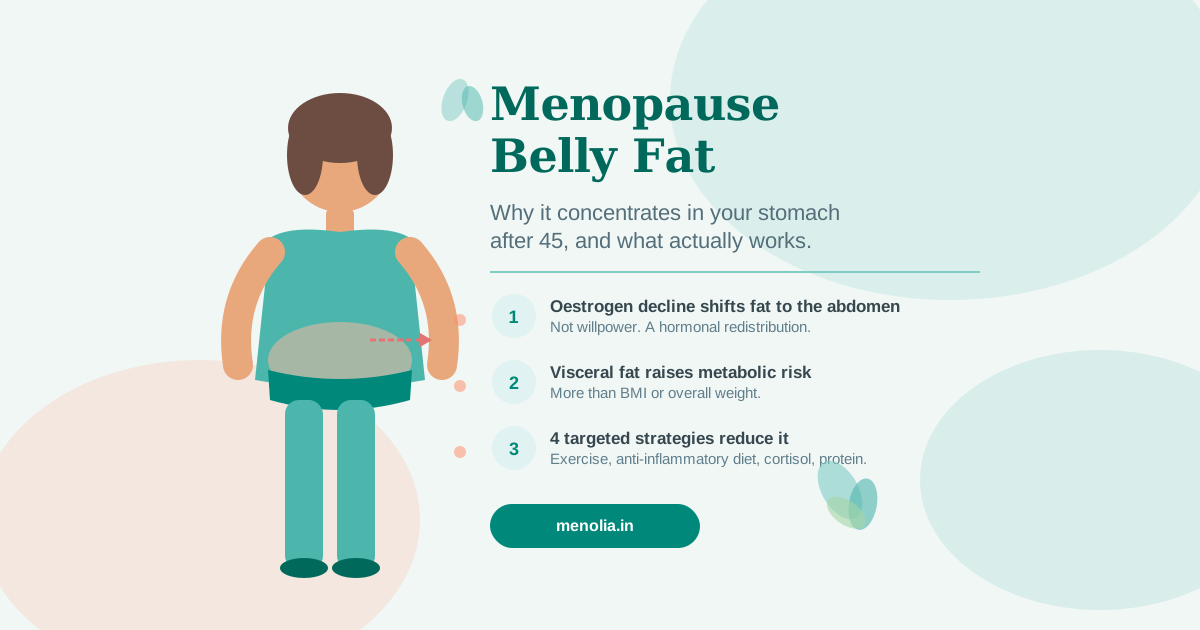
The short answer: oestrogen controls where your body stores fat. When oestrogen declines during perimenopause and menopause, fat distribution shifts from your hips and thighs to your abdomen. This is not a failure of discipline. It is a predictable physiological response to hormonal change.
This post explains the mechanism, why it matters beyond appearance, and what the research shows actually reduces menopausal belly fat specifically. If you’re looking for a general guide to menopause-related weight changes, the Menopause Weight Gain guide covers that in full. This post focuses on belly fat specifically, because the cause, the consequences, and the most effective strategies are different.
What Changes After 45: From Subcutaneous to Visceral Fat
Before menopause, oestrogen helps direct fat to subcutaneous stores: the fat layer just beneath the skin, primarily around the hips, thighs, and buttocks. This fat type is relatively metabolically inert. It does not cause significant hormonal disruption. It is the reason younger women carry weight differently from men of the same age.
After menopause, this pattern reverses. Fat begins accumulating in the abdomen as visceral fat, the deep fat layer that sits around internal organs including the liver, intestines, and pancreas.
Two separate mechanisms drive this shift:
1. Oestrogen receptors in fat tissue go quiet
Fat cells carry oestrogen receptors. When oestrogen is present, these receptors influence how fat is stored and metabolised, favouring subcutaneous over visceral storage. As oestrogen falls, this regulatory signal weakens. Lipoprotein lipase (an enzyme that pulls fat from the bloodstream into fat cells) becomes significantly more active in abdominal fat cells. The abdomen becomes the body’s preferred fat depot, by default.
2. Cortisol takes on an amplified role
Cortisol, the stress hormone, also promotes visceral fat storage. It was always doing this to some degree, but oestrogen counteracted it. Without oestrogen’s moderating influence, cortisol’s fat-storing effect on the abdomen is amplified. And here is where it compounds: menopause frequently disrupts sleep (through night sweats and hot flashes), and poor sleep directly elevates cortisol. The hormonal disruption of menopause feeds the stress-fat cycle, which feeds more belly fat accumulation.
Why This Matters Beyond the Mirror
The question of belly fat is often framed as cosmetic. It is not.
Visceral fat is metabolically active. Unlike subcutaneous fat, it continuously releases inflammatory cytokines (including interleukin-6 and TNF-alpha) directly into the portal circulation going to the liver. This sustained low-grade inflammation connects to:
- Increased insulin resistance (visceral fat both causes and worsens this, creating a feedback loop)
- Elevated cardiovascular risk, independent of total body weight
- Higher risk of type 2 diabetes
- Elevated triglycerides and lowered HDL (the “good” cholesterol)
Studies published in Menopause and in JAMA Internal Medicine consistently show that waist circumference (a proxy for visceral fat) is a better predictor of metabolic risk in menopausal women than body mass index. A woman can be at a “normal” BMI and carry dangerous levels of visceral fat. Conversely, a woman slightly above her “ideal” weight but with a healthy waist circumference can have a significantly lower metabolic risk profile.
The practical implication: the goal is not a number on the scale. It is reducing visceral fat. That distinction changes which strategies actually work.
4 Strategies That Target Visceral Fat
These are not generic weight loss tips. Each is supported by studies specifically looking at visceral fat in menopausal or postmenopausal women.
1. Combine Cardio and Strength Training (Not Just One or the Other)
The full exercise guide for menopause covers different options in detail. For belly fat specifically, the research is clear: a combination of resistance training and moderate-to-high-intensity cardio reduces visceral fat more than either alone.
A 2012 study in Obesity found that postmenopausal women who combined aerobic exercise with resistance training showed significantly greater reductions in visceral fat than those who did resistance training only, aerobic exercise only, or neither.
For belly fat reduction:
- 2 to 3 sessions of strength training per week (compound movements: squats, lunges, rows, presses)
- 2 to 3 sessions of moderate aerobic exercise (brisk walking, swimming, cycling)
- Consider 1 session of interval training per week: 20 to 30 minutes alternating between higher effort (70 to 80% of maximum heart rate) and recovery. Multiple meta-analyses show interval-style training specifically targets visceral fat in ways that steady-state cardio at the same duration does not
You do not need a gym for any of this. Body weight exercises, resistance bands, and staircase walking count.
One practical note: if you are new to exercise or have joint discomfort (common in this phase, connected to oestrogen’s role in joint lubrication), start with walking and body weight movement before adding any interval intensity. Build the base first.
2. Reduce Refined Carbohydrates and Add Anti-Inflammatory Foods
This is not a low-carbohydrate prescription. It is a specific observation about how visceral fat responds to refined carbohydrate intake in menopausal women.
Insulin resistance, already elevated in this phase, means that high-glycaemic foods (white bread, maida products, excess white rice, sugary drinks) push blood sugar higher and for longer than they did in younger years. Chronically elevated insulin is one of the strongest drivers of visceral fat accumulation. Reducing the frequency of these foods creates a meaningful change in the visceral fat environment over weeks, without requiring dramatic dietary overhaul.
What to add instead:
Replace refined carbohydrates with:
- Ragi (finger millet): lower glycaemic index, high calcium, high fibre, already in most South Indian kitchens
- More dal and legume-based dishes: protein and fibre together slow glucose absorption and keep you full longer
- Whole grains: a modest substitution from white rice to red rice or millet a few times per week makes a real difference over months
Add anti-inflammatory foods that directly counter the cytokine environment of visceral fat:
- Haldi (turmeric): curcumin is an established anti-inflammatory. Combine with a fat source (ghee, coconut milk) and black pepper for absorption, as in haldi milk or golden milk
- Flaxseeds (alsi): omega-3 rich and high in lignans, which are phytoestrogens that partially compensate for falling oestrogen
- Sesame seeds (til): lignans in sesame are both phytoestrogenic and anti-inflammatory. Add to chutneys, rice, or roti
- Walnuts: consistently linked to visceral fat reduction in postmenopausal women in randomised controlled trial data
- Ginger: ginger tea, added to sabzi, or fresh ginger in curries all count
The 5-day Indian menopause meal plan structures a full week around these principles if you want a practical template for applying this in real meals.
3. Address Cortisol (The Most Underestimated Factor)
The cortisol-belly fat connection is real and consistently underaddressed.
Sustained elevated cortisol does not just promote fat storage. It specifically promotes visceral fat storage. And the cortisol-raising triggers in menopause are often invisible because they feel like ordinary life: disrupted sleep from night sweats, the caregiving pressures that many Indian women carry simultaneously in this phase (aging parents and adolescent children), time pressure, and the low-grade anxiety of navigating physical changes with limited medical guidance.
You cannot exercise away a chronically elevated cortisol pattern. That issue needs its own approach:
- Sleep protection: 7 to 8 hours is not optional for visceral fat management. Below 6 hours, cortisol stays elevated through the following day. The menopause fatigue guide has specific approaches for managing sleep disruption in this phase
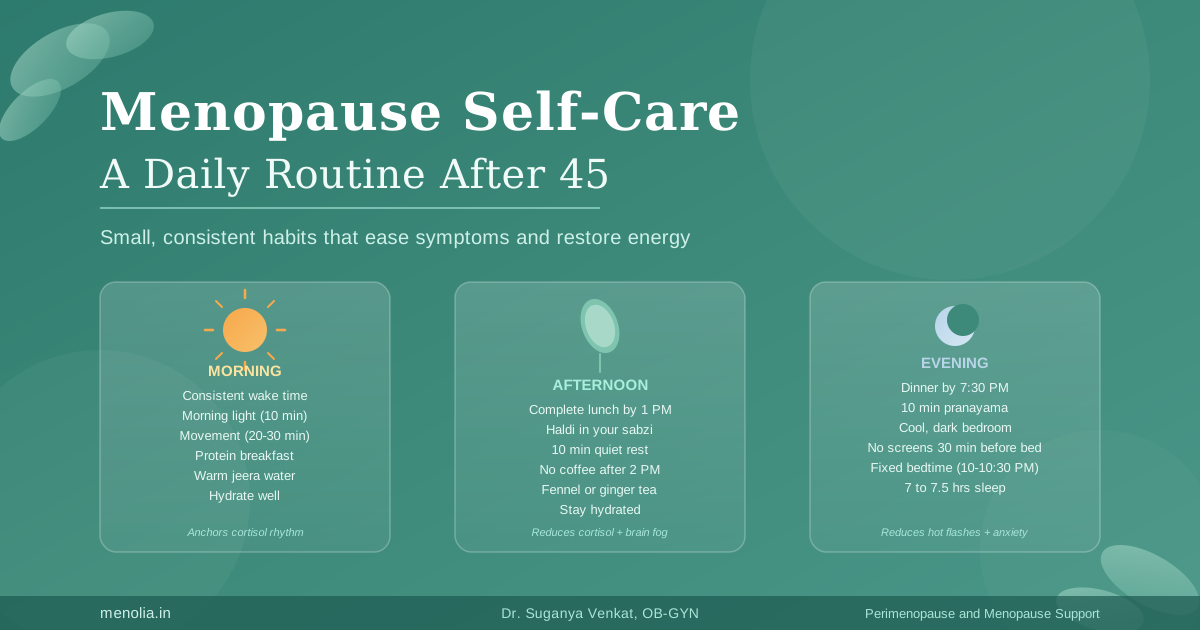
- Morning light exposure: 10 to 15 minutes outdoors in the morning anchors the cortisol rhythm, pulling the daily cortisol peak to morning (where it helps you function) rather than evening (where it promotes fat storage)
- Evening pranayama: anulom vilom for 10 minutes measurably lowers evening cortisol. This is not general wellness advice. It is a practical intervention with documented physiological effect
A pattern I see often. Women try harder at the gym and become more careful with food, and the belly fat stays. The missing piece is almost always cortisol, specifically the sleep-disruption and stress load that is disproportionately high for women in this phase. When we address sleep and recovery alongside exercise and food, results come.
If you would like a personalised review of what your specific pattern might be, Dr. Suganya’s team is available.
4. Prioritise Protein at Every Meal
Protein has two separate effects relevant to belly fat specifically.
First: it preserves lean muscle mass. Muscle mass is inversely related to visceral fat accumulation. The more muscle you maintain, the better the metabolic environment for fat loss.
Second: high-protein meals reduce ghrelin (the hunger hormone) more measurably than carbohydrate or fat-matched meals, making it easier to maintain a modest caloric deficit without hunger-driven overeating.
Target: 1.2 to 1.6 grams of protein per kilogram of body weight per day. For a 60 kg woman, that is 72 to 96 grams of protein daily.
Practical Indian sources:
| Food | Approximate Protein |
|---|---|
| Paneer, 100g | 18g |
| 2 eggs | 12g |
| Moong dal, 1 cup cooked | 14g |
| Chana/chickpeas, 1 cup cooked | 15g |
| Dahi (curd), 1 cup | 10 to 12g |
| Chicken breast, 100g | 31g |
| Soya chunks, 50g dry | 26g |
| Fish (pomfret, rohu, katla), 100g | 20 to 25g |
Include protein at breakfast in particular. Most Indian breakfast patterns are carbohydrate-heavy (idli, poha, paratha alone). Adding eggs, curd, or a handful of soaked chana to breakfast shifts the day’s hormonal pattern meaningfully.
A Practical Weekly Framework
This is not a strict programme. It is a starting framework.
Sustainable is the keyword. In Lalitha’s case study, 6.3 kg came off in 3 months at a pace that was safe for her age, her joints, and her inflammatory condition, about 0.5 kg per week. That is the rhythm that holds after 45.
Exercise (per week):
- 3 days: resistance or strength training, 30 to 40 minutes
- 2 days: moderate aerobic activity (45-minute walk, swim, or cycle)
- 1 day: interval-style cardio (20 to 30 minutes, after at least 4 weeks of base building)
- 1 day: rest or gentle yoga and stretching
Food (per meal):
- One quality protein source
- One fibre source (dal, vegetable, whole grain)
- One anti-inflammatory ingredient (haldi, ginger, flaxseed, sesame, walnuts)
- Reduce (not eliminate): maida products, packaged snacks, sugary chai
Sleep and cortisol (daily):
- Fixed sleep and wake time, including weekends
- 10 to 15 minutes of morning outdoor light before 9 AM
- 10 minutes of pranayama before bed
If this seems like a large change, start with one shift per week. Protein at breakfast first. Then one strength session. Then consistent sleep timing. Gradual, sustainable change produces real results. Dramatic change followed by reversal does not.
Frequently Asked Questions
How long before I see a change in menopausal belly fat?
Research studies typically show measurable reductions in visceral fat after 12 to 16 weeks of consistent exercise and dietary change. Clothing fit often shifts before scale weight does, because visceral fat loss does not always register immediately as weight loss on a scale.
Does reducing carbohydrates specifically help with menopause belly fat?
Reducing refined, high-glycaemic carbohydrates (maida, white bread, excess white rice, sugary drinks) helps by lowering the insulin load that drives visceral fat accumulation. A strict low-carbohydrate diet is not required. The quality and glycaemic impact of carbohydrates matter more than total quantity.
Can I reduce belly fat after 50 without exercising?
Diet and cortisol management alone will slow visceral fat accumulation, but exercise (particularly the combination of resistance training and moderate cardio) remains the most potent intervention for visceral fat reduction that exists in the evidence base. Skipping exercise makes results slower and harder to sustain.
Is menopausal belly fat different from belly fat at younger ages?
Yes. Younger women gaining abdominal weight typically have lifestyle-driven visceral fat (sedentary habits, poor diet, high stress). Menopausal belly fat has a hormonal driver that makes it more persistent. The same strategies apply, but menopausal women need to be more consistent and more intentional about cortisol management, since the hormonal environment is actively working against them in a way it was not before.
What is the most effective single exercise for menopausal belly fat?
Based on current evidence, resistance training combined with moderate-to-high-intensity cardio outperforms either alone. If you can only do one thing, start with strength training: it preserves muscle, improves insulin sensitivity, and protects bone density simultaneously. If you can do two things, add interval-style cardio.
Do foods like haldi and flaxseed actually make a difference?
Turmeric’s curcumin is a documented anti-inflammatory compound. Flaxseeds are high in omega-3 fatty acids and lignans. Neither “burns” belly fat directly. What they do is reduce the chronic inflammatory cytokine environment that visceral fat creates, which over time reduces its systemic metabolic impact. Combined with exercise and dietary change, they support the overall goal. Alone, they are not sufficient.
What about the connection between hot flashes and belly fat?
There is a connection. Disrupted sleep from hot flashes elevates cortisol, which promotes visceral fat storage. Addressing hot flashes through diet and lifestyle (phytoestrogen-rich foods, sleep hygiene) indirectly helps belly fat by lowering the cortisol load. The strategies overlap significantly.
Starting Is the Most Important Step
Menopausal belly fat is not a personal failure. It is a physiological response to a hormonal shift that was going to happen regardless of how carefully you lived your 30s and 40s.
The strategies above are evidence-based and built around Indian food and realistic Indian schedules. You do not need a gym membership or a radical diet overhaul. You need a consistent, targeted approach that works with your body’s current hormonal reality rather than against it.
For a personalised plan that looks at your specific hormonal picture, sleep patterns, activity level, and food preferences, Dr. Suganya’s team is here.