You catch your reflection and something looks different. Your skin feels drier, thinner, like it lost some of its cushion overnight. The moisturiser that worked for years isn’t enough anymore. You notice fine lines where there were none, a dullness that sleep doesn’t fix, and sometimes an itch that has no visible cause.
If you’re in your 40s or 50s and thinking “my skin suddenly aged”, you’re not imagining it. And it’s not just about getting older.
Your skin is changing because your oestrogen is declining. And once you understand what’s actually happening beneath the surface, you can do something about it, without expensive treatments or unrealistic routines.
What Oestrogen Does for Your Skin
Before menopause, oestrogen quietly does remarkable things for your skin that you never had to think about:
For more on this, read our guide on Menopause Itchy Skin.
- Stimulates collagen production: the protein that keeps skin firm and plump
- Maintains skin thickness: oestrogen keeps the dermis (deeper skin layer) robust
- Supports natural moisture: by stimulating hyaluronic acid and sebum production
- Promotes wound healing: cuts and bruises heal faster when oestrogen is adequate
- Protects against UV damage: oestrogen has antioxidant properties in skin cells
When oestrogen declines during perimenopause, which typically begins in the early 40s for Indian women, and drops sharply after menopause, all of these processes slow down. The changes aren’t subtle, and they’re backed by substantial research.
The Science: What Happens to Your Skin After Menopause
Collagen Loss. The Biggest Change
This is the most significant skin change during menopause, and most women don’t know about it.
Skin collagen decreases by approximately 30% in the first 5 years after menopause (Thornton, 2013, Dermato-Endocrinology). After that, the decline continues at about 2% per year.
To put that in perspective: you lose nearly a third of your skin’s structural support in just 5 years. This is why many women feel their skin “suddenly” changed, it wasn’t gradual. The collagen drop during menopause is steep.
Collagen is what gives your skin its firmness and bounce. When it declines, skin becomes thinner, less elastic, and more prone to wrinkles, particularly around the eyes, mouth, and neck.
Skin Thinning
Post-menopausal skin thickness decreases by approximately 1.13% per year (Stevenson & Thornton, 2007, Drug Discovery Today: Disease Mechanisms). Thinner skin means:
- Blood vessels are more visible (especially on hands and forearms)
- Skin bruises more easily
- Wounds take longer to heal
- Skin feels more fragile
Dryness
Oestrogen stimulates sebaceous glands and the production of hyaluronic acid, your skin’s natural moisture magnet. When oestrogen drops:
- Sebum production decreases, reducing your skin’s natural oil barrier
- Hyaluronic acid levels fall, reducing the skin’s ability to hold water
- Transepidermal water loss (TEWL) increases, moisture evaporates faster
The result: skin that feels tight, rough, and perpetually dry, even if you’ve never had dry skin before.
The Itch No One Talks About
Many women in menopause experience unexplained itching, sometimes intense, sometimes maddening, often without any visible rash. This condition is called formication (not to be confused with another word), the sensation of insects crawling on or under the skin.
It’s caused by the interaction between declining oestrogen and nerve endings in the skin. Oestrogen modulates sensory nerve function, and when it drops, nerve signalling becomes disordered, the same hormonal mechanism that contributes to mood changes and anxiety during this transition.
If you’ve been scratching without knowing why, this is likely hormonal, not an allergy, not dry skin alone, and not “in your head.”
Acne. Yes, in Your 40s and 50s
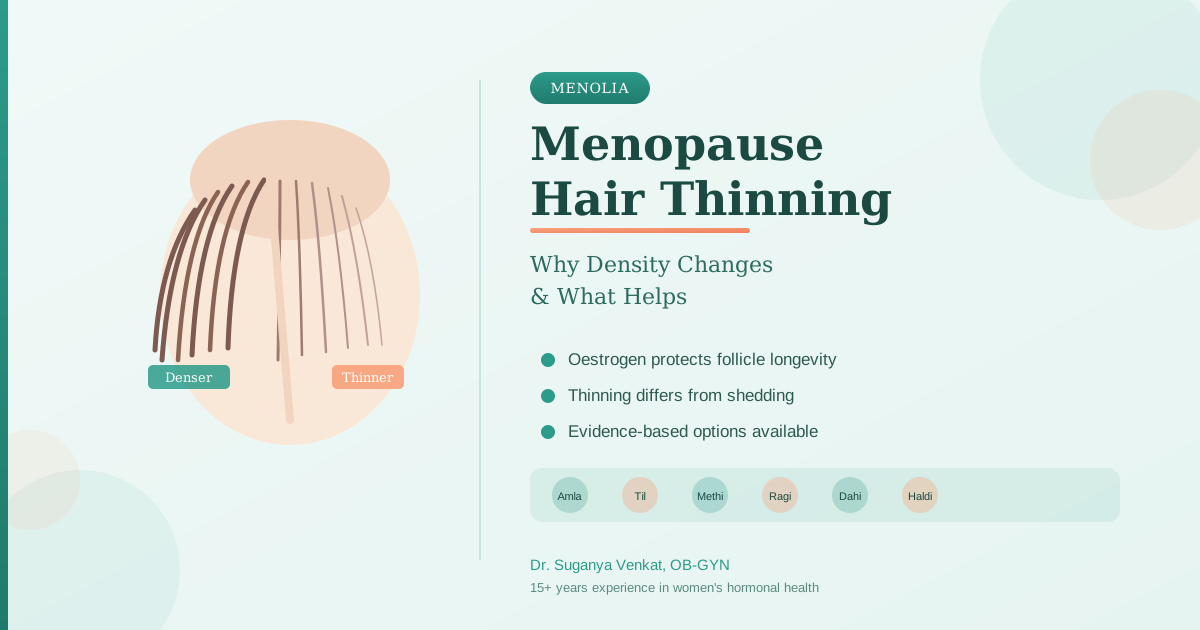
Some women are surprised to get acne during perimenopause. This happens because while oestrogen drops, androgens (testosterone) don’t drop as quickly, creating a relative androgen excess (the same shift that drives menopause-related hair thinning). This can stimulate oil glands in specific areas (chin, jawline) and cause breakouts reminiscent of adolescence.
The 8 Changes You Might Notice
Here’s a practical summary of what menopause does to skin:
- Dryness: skin feels tight, rough, flaky
- Fine lines and wrinkles: particularly around eyes, mouth, forehead
- Loss of firmness: skin doesn’t “bounce back” like it used to
- Thinning: skin looks more translucent, veins show through
- Itching: unexplained, sometimes intense
- Easy bruising: minor bumps leave marks
- Slow healing: cuts and scratches take longer to repair
- Adult acne: breakouts along the jawline and chin
Not every woman experiences all of these. But if you’re noticing several, oestrogen decline is almost certainly playing a role.
Noticing skin changes you can't explain?
Many women don't connect their skin symptoms to hormonal changes. Dr. Suganya can help you understand what's happening and what will actually help, for your skin and your overall wellbeing during this transition.
What Actually Helps: Your Menopause Skin Care Routine
You don’t need 12 products or a ₹5,000/month routine. What you need is the right approach, gentle, consistent, and targeted to what’s actually changed.
1. Switch to a Gentle, Non-Foaming Cleanser
Foaming cleansers strip the already-reduced oil from your skin. Switch to a cream or milk-based cleanser that cleans without drying.
Look for: Cetaphil Gentle Skin Cleanser, CeraVe Hydrating Cleanser, or any cleanser labelled “soap-free” and “pH-balanced.”
Avoid: Bar soaps, foaming face washes, anything with sodium lauryl sulphate (SLS).
Wash your face no more than twice a day: morning and night. Over-washing accelerates moisture loss.
2. Moisturise. Properly and Consistently
This is the single most impactful change you can make. The right moisturiser replaces what oestrogen used to provide naturally.
Key ingredients to look for:
- Hyaluronic acid: holds up to 1,000× its weight in water. Restores the moisture-binding capacity your skin is losing.
- Ceramides: repair and strengthen the skin barrier. CeraVe, Cetaphil, and Bioderma products contain these.
- Glycerin: a humectant that draws water to the skin surface.
- Niacinamide (Vitamin B3): reduces water loss, improves barrier function, and helps with uneven skin tone.
How to apply: On slightly damp skin (within 2-3 minutes of washing). This seals moisture in. Apply morning and night.
3. Sunscreen. Non-Negotiable
Post-menopausal skin has less natural UV protection. Oestrogen’s antioxidant effects in skin decline, and thinner skin is more vulnerable to sun damage.
Use SPF 30 or higher, broad-spectrum, every single day: even if you’re indoors near windows. UVA rays penetrate glass.
In India’s climate, this is especially important. Choose a lightweight, non-greasy formula (gel-based sunscreens work well in humidity).
Reapply every 2-3 hours if you’re outdoors.
4. Retinoids. The Evidence-Based Anti-Aging Ingredient
If there’s one active ingredient with strong evidence for menopausal skin, it’s retinoids (vitamin A derivatives).
What the research shows:
- Topical retinoids stimulate collagen synthesis in fibroblasts (Viscomi et al., 2025)
- They improve skin elasticity, reduce fine lines, and promote cell turnover
- They can help with the “dull, rough” texture many menopausal women notice
How to start:
- Begin with a low-strength retinol (0.25-0.5%) 2-3 times per week at night
- Increase gradually over 4-6 weeks
- Always use sunscreen the next day, retinoids increase sun sensitivity
- Expect mild peeling initially. This is normal
Available in India: Retinol serums from Minimalist, The Derma Co, or prescription tretinoin (consult a dermatologist for prescription strength).
Important: If you’re pregnant or breastfeeding, avoid retinoids entirely. For menopausal women, they’re safe and effective.
5. For Itching: Soothe, Don’t Scratch
If you’re experiencing menopausal itching:
- Colloidal oatmeal creams: soothe nerve endings and reduce inflammation
- Fragrance-free, thick moisturisers: applied after bathing
- Cool compresses: for acute itching episodes
- Avoid hot showers: hot water strips oils and worsens itching
- Wear loose cotton clothing: synthetic fabrics can irritate sensitive skin
If itching is severe or persistent, mention it to your doctor, it may respond to low-dose topical oestrogen or other treatments.
6. For Menopausal Acne
- Don’t use harsh acne products designed for teenagers: your skin is too dry for salicylic acid washes and benzoyl peroxide
- Niacinamide serums: reduce oil production gently without drying
- Azelaic acid: effective for hormonal acne, less drying than retinoids
- Consult a dermatologist if acne is persistent. They may recommend spironolactone or low-dose prescription treatments
Nutrition for Skin: What to Eat
Your skin is built from what you eat. These nutrients directly support skin health during menopause:
Vitamin C
Essential for collagen synthesis. Without adequate vitamin C, your body cannot produce new collagen, no matter what creams you apply.
Indian sources: Amla (Indian gooseberry (one of the richest natural sources of vitamin C), guava, oranges, bell peppers, tomatoes, coriander leaves).
Aim for: At least 2 servings of vitamin C-rich fruits or vegetables daily.
Omega-3 Fatty Acids
Reduce inflammation, support the skin barrier, and help with dryness from within.
Indian sources: Flaxseeds (alsi), walnuts (akhrot), mustard oil, fatty fish (sardines, mackerel, if non-vegetarian).
Tip: 1 tablespoon of ground flaxseeds in your morning dahi or smoothie provides a meaningful omega-3 dose.
Protein
Collagen is a protein. Your body needs adequate protein intake to synthesise it.
Indian sources: Dal, paneer, dahi, eggs, chicken, fish, chana, rajma, soyabean chunks.
Aim for: At least 1 g of protein per kg of body weight daily. Many Indian women in their 40s-50s get far less than this.
Phytoestrogens
Plant compounds that weakly mimic oestrogen and may support skin hydration.
Indian sources: Soyabean, tofu, flaxseeds, sesame seeds (til), whole grains like ragi.
Stay Hydrated
This sounds basic, but dehydrated skin cannot retain moisture even with the best creams. Aim for 8-10 glasses of water daily, more if you’re in a hot climate or exercising.
Hydrating Indian drinks: Coconut water, buttermilk (chaas), jeera water, plain nimbu pani (without excessive sugar).
What About Collagen Supplements?
You’ve probably seen collagen powders and drinks everywhere. Here’s what the evidence says:
A meta-analysis by Al-Atif (2022, Cureus) found that oral collagen supplements (1-10 g/day) improved skin hydration and elasticity in clinical trials. The evidence is promising but still evolving.
The reality:
- Collagen supplements are generally safe
- Marine collagen and hydrolysed collagen peptides are best absorbed
- Results take 8-12 weeks to notice
- They’re not a replacement for a good diet and skincare routine, they’re an addition
- Quality varies widely, choose reputable brands
Our recommendation: Focus on diet first (protein, vitamin C, omega-3s). If you want to add a collagen supplement, it’s reasonable, but don’t expect miracles. And always pair it with adequate vitamin C, which is required for collagen synthesis.
What Doesn’t Help (Save Your Money)
Expensive “Anti-Aging” Creams with Vague Claims
Products claiming to “reverse aging” or “restore youthful skin” without specifying active ingredients are usually marketing, not medicine. Look for specific ingredients (hyaluronic acid, retinol, niacinamide, ceramides), not brand promises.
”Detox” Products
Your skin doesn’t need detoxing. Your liver and kidneys handle that. Charcoal masks, “toxin-pulling” treatments, and detox supplements for skin are not evidence-based.
Excessive Exfoliation
Menopausal skin is thinner and more fragile. Aggressive scrubs, chemical peels used too frequently, or dermabrasion tools can damage the skin barrier and worsen dryness.
If you want to exfoliate: Use a mild AHA (lactic acid 5-10%) once or twice a week, not daily.
Over-Treating
The biggest mistake: using too many active ingredients at once. Retinol + AHA + vitamin C + niacinamide (all in the same night) is a recipe for irritation, redness, and a damaged skin barrier.
Keep it simple: Cleanser → Moisturiser → Sunscreen (morning). Cleanser → One active (retinol OR AHA) → Moisturiser (night).
A Simple Daily Routine for Menopausal Skin
Morning (3 steps)
- Gentle cleanser: cream or milk-based
- Moisturiser with hyaluronic acid and/or niacinamide: on damp skin
- Sunscreen SPF 30+: always
Night (3-4 steps)
- Gentle cleanser: remove the day
- Active treatment (optional, 2-3 times/week), retinol serum
- Rich moisturiser with ceramides: slightly thicker than your morning one
- Lip balm: lips thin and dry during menopause too
Weekly
- Gentle exfoliation (once), mild lactic acid or enzyme mask
- Hydrating mask (once), sheet mask or overnight mask for extra moisture
Total monthly cost: ₹500-1,500 for a complete routine using pharmacy brands (Cetaphil, CeraVe, Minimalist, The Derma Co). You do not need luxury products.
When to See a Dermatologist
Most menopausal skin changes respond well to the routine above. But see a dermatologist if:
- Itching is severe and doesn’t respond to moisturising
- You notice new moles or changes in existing moles: skin cancer risk increases with age and UV exposure
- Acne is painful or cystic: may need prescription treatment
- You want to discuss prescription retinoids (tretinoin) for more significant results
- Skin is extremely thin or fragile with easy tearing, may indicate other health issues
Frequently Asked Questions
Why did my skin suddenly get so dry during menopause?
Oestrogen stimulates both sebum (oil) production and hyaluronic acid in your skin. When oestrogen drops during perimenopause and menopause, your skin produces less oil and holds less moisture. The change can feel sudden because oestrogen decline accelerates in the years around menopause.
Can HRT improve my skin?
Research shows that oestrogen therapy can improve skin thickness, collagen content, and hydration (Raine-Fenning et al., 2003, American Journal of Clinical Dermatology). However, HRT decisions should be based on your overall health picture, not skin alone. Discuss with your doctor.
Is it normal to get acne during menopause?
Yes. When oestrogen drops faster than androgens, the relative androgen excess can trigger oil production and breakouts, especially along the jawline and chin. It’s hormonal acne, not a hygiene issue.
Which is better for menopause skin, retinol or hyaluronic acid?
They do different things. Hyaluronic acid adds immediate hydration. Retinol stimulates collagen production over time. For menopause skin, you ideally want both, hyaluronic acid in your moisturiser, retinol as a separate treatment 2-3 times per week.
Do I really need sunscreen indoors?
If you sit near windows, yes. UVA rays penetrate glass and contribute to skin aging. If you’re genuinely indoors all day with no window exposure, it’s less critical, but building the sunscreen habit is easier than deciding each day.
Can diet alone fix menopause skin changes?
Diet supports skin health from within but cannot fully replace what oestrogen used to provide. The best results come from combining good nutrition (protein, vitamin C, omega-3s, hydration) with a consistent topical skincare routine.
Need help managing menopause symptoms?
Skin changes are just one part of the menopause picture. Dr. Suganya's 90-day holistic program addresses nutrition, lifestyle, and wellbeing, so you can navigate this transition feeling supported, not overwhelmed.
Talk to Dr. Suganya on WhatsApp →
For more on this, read our guide on Menopause Hair Thinning.
References
- Thornton MJ. Estrogens and aging skin. Dermato-Endocrinology. 2013;5(2):264-270.
- Stevenson S, Thornton J. Effect of estrogens on skin aging and the potential role of SERMs. Drug Discovery Today: Disease Mechanisms. 2007;4(2):81-89.
- Raine-Fenning NJ, Brincat MP, Muscat-Baron Y. Skin aging and menopause: implications for treatment. Am J Clin Dermatol. 2003;4(6):371-378.
- Viscomi B, et al. Managing menopausal skin changes: a narrative review. PMC. 2025.
- Al-Atif H. Collagen supplements for aging and wrinkles: a paradigm shift in the fields of dermatology and cosmetics. Cureus. 2022;14(1):e21325.