You’ve been getting headaches more often lately. Maybe they feel different from the ones you had in your 30s. Maybe they come with a kind of pressure behind your eyes that paracetamol barely touches. Maybe you’ve started wondering if something is wrong.
Here’s what most women in their 40s and early 50s don’t realise: headaches and migraines often change during the menopausal transition, for Indian women, this transition begins earlier than the global average, and for many women, they get temporarily worse before they get better.
If this sounds like you, you’re not imagining it, and you’re not alone. Hormonal headaches during perimenopause and menopause are one of the most common yet least discussed symptoms of this life stage.
For more on this, read our guide on Menopause Dry Eyes. Let’s look at exactly why this happens, what makes it worse, and what you can do about it.
Yes, Menopause Can Cause Headaches and Migraines. Here’s Why.
If you searched “can menopause cause headaches” or “are headaches a symptom of menopause” and landed here, the short answer is yes, very often. Headaches and migraines are one of the well-documented symptoms of the perimenopausal transition, particularly in women who already had a history of menstrual migraines, but also in women who have never had a hormonal headache before in their lives.
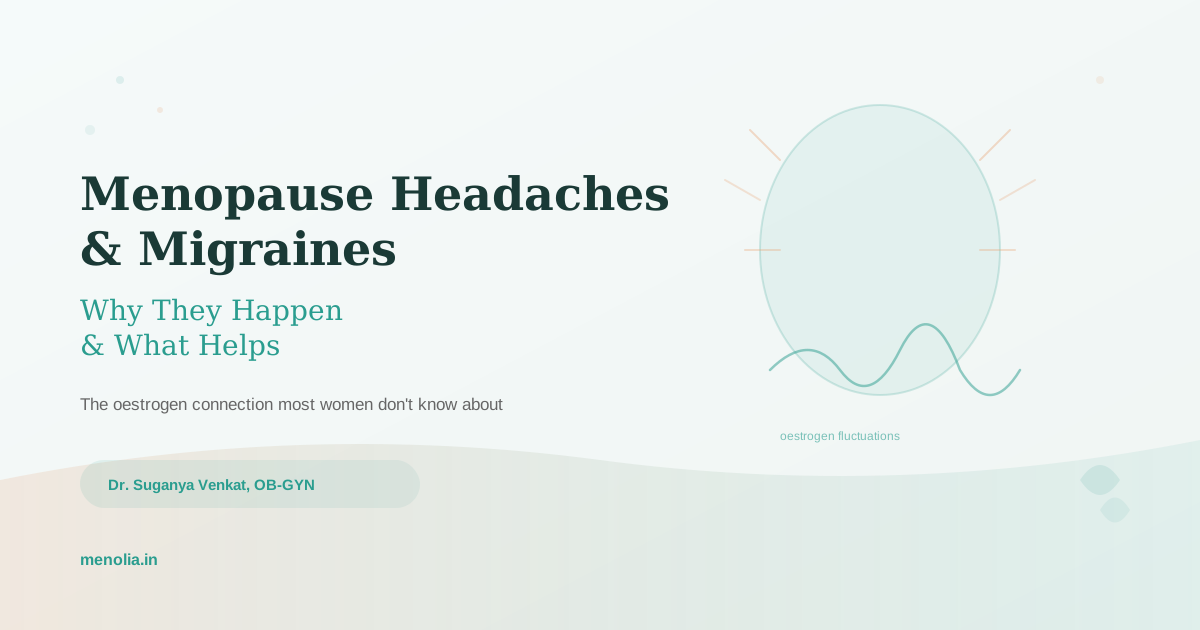
For more on this, read our guide on Menopause Nausea. The mechanism is straightforward. Oestrogen has a direct influence on the chemicals and blood vessels that produce headaches in the brain. During your reproductive years, oestrogen rises and falls in a predictable pattern, and your brain adapts to that rhythm. During perimenopause, oestrogen swings wildly and unpredictably. Each sudden drop can fire the headache trigger, sometimes more than once a month, sometimes for weeks at a time.
A few specifics worth knowing right away:
- Headaches commonly worsen during perimenopause and improve after menopause is fully established. This is one of the most consistent findings in the research literature. The transition is the worst phase; the post-menopause years are usually better.
- Migraines and tension headaches both increase, though for different reasons. Migraines are driven by oestrogen withdrawal directly. Tension headaches are amplified by sleep loss, stress, neck tension, and dehydration, all of which become more common in midlife.
- A history of menstrual migraines (period-related headaches in your 20s and 30s) is the single strongest predictor of who will struggle with headaches in perimenopause. If your periods always brought a headache, perimenopause is likely to bring more.
- New-onset migraines after 45 are possible but uncommon, and deserve a clinical look to make sure nothing else is contributing.
The rest of this article explains the biology in more detail, the types of headaches you may experience, the lifestyle factors that make them worse, and the evidence-based strategies that actually help.
The Oestrogen Connection: Why Perimenopause Changes Your Headaches
The relationship between oestrogen and headaches is well established in medical literature. A landmark review published in The Lancet Neurology found that oestrogen withdrawal is the primary trigger for menstrual migraines and that the same mechanism intensifies during the menopausal transition (MacGregor, 2004).
Here’s the key point: it’s not low oestrogen that causes headaches. It’s the drop in oestrogen.
During your reproductive years, oestrogen rises and falls in a predictable pattern each month. Your brain adapts to this rhythm. But during perimenopause, oestrogen doesn’t decline in a straight line. It swings wildly, sometimes higher than your reproductive peaks, sometimes crashing to post-menopausal levels, all within the same month.
These unpredictable drops trigger headaches because oestrogen influences:
- Serotonin levels in the brain (serotonin helps regulate pain perception and blood vessel tone)
- Prostaglandin production (inflammatory molecules that sensitise pain receptors)
- Blood vessel dilation and constriction in the brain’s meninges (the membranes surrounding the brain)
When oestrogen drops suddenly, serotonin drops with it, blood vessels dilate, and inflammatory molecules increase. The result: a headache or migraine.
This is why many women who never had menstrual headaches start getting them during perimenopause, and why women who always had menstrual migraines often find them becoming more frequent or severe during this transition.
Types of Headaches During the Menopausal Transition
Not all menopause-related headaches are the same. Understanding which type you’re experiencing helps you and your doctor find the right approach.
For more on this, read our guide on Menopause Breast Tenderness.
Hormonal Migraines
These are true migraines triggered by oestrogen fluctuations. They tend to be:
- One-sided (though not always)
- Throbbing or pulsing in quality
- Moderate to severe in intensity
- Accompanied by nausea, sensitivity to light, or sensitivity to sound
- Lasting 4 to 72 hours if untreated
Some women also experience an “aura” before the migraine: visual disturbances like flashing lights, zigzag patterns, or temporary blind spots. About 25 to 30% of migraine sufferers experience aura (Lipton et al., 2001).
When they’re most common: During perimenopause, particularly in the years of the most erratic hormonal fluctuations (typically ages 45 to 51).
Tension-Type Headaches
These feel different from migraines:
- Both sides of the head, like a band or vice
- Pressing or tightening (not throbbing)
- Mild to moderate intensity
- No nausea or light sensitivity
During the menopausal transition, tension headaches often increase because of compounding factors: poor sleep, stress from life changes (aging parents, children leaving home, career pressures), and neck/shoulder tension from reduced physical activity.
Mixed Pattern
Many perimenopausal women experience both types, sometimes in the same week. A hormonal migraine on one day, a tension headache two days later. This mixed pattern is frustrating but entirely consistent with the hormonal instability of the transition.
Why Midlife Makes Headaches Worse (Beyond Hormones)
Oestrogen fluctuations are the primary driver, but they rarely act alone. Several factors common during midlife amplify headache frequency and severity:
Sleep Disruption
Menopause-related sleep problems, including night sweats, insomnia, and fragmented sleep, are a powerful headache trigger. Research shows that poor sleep lowers your pain threshold and increases the frequency of both migraines and tension headaches (Kelman & Rains, 2005).
If you’re waking up with headaches, disrupted sleep is a likely contributor.
Dehydration
Many women in their 40s and 50s don’t drink enough water, particularly those managing busy households and careers. Dehydration is one of the most underestimated headache triggers at any age, and declining oestrogen (which helps your body retain fluid) makes it even more relevant during perimenopause.
Stress and the Cortisol Connection
Midlife is often a period of significant stress: caregiving responsibilities, career demands, relationship changes, health concerns. Chronically elevated cortisol sensitises the brain’s pain pathways, making you more susceptible to headaches from triggers that wouldn’t have affected you a decade ago (elevated cortisol also drives the anxiety and mood changes common during perimenopause).
Caffeine Sensitivity Changes
Your body’s response to caffeine can shift during the menopausal transition. Some women find that the same cup of filter coffee that was fine for 20 years now triggers headaches, or that skipping their usual coffee causes a withdrawal headache more quickly than before.
Neck and Posture Changes
Declining oestrogen affects muscle and joint health. Menopause joint pain can extend to the neck and upper back, and cervicogenic headaches (headaches originating from neck tension) become more common. Hours spent at a desk or looking at a phone compound this.
The Good News: Post-Menopause Often Brings Relief
Here’s something important that often gets lost: for most women, headaches improve after menopause.
A large prospective study published in Headache found that migraine prevalence decreased significantly in the years following the final menstrual period (Wang et al., 2003). The reason is straightforward: once your ovaries stop producing oestrogen, there are no more sudden drops. Your hormonal environment stabilises at a new, lower baseline, and the withdrawal trigger disappears.
The perimenopause years (the 2 to 8 years of the transition) are typically the worst period for hormonal headaches. Knowing that this phase is temporary and that relief is ahead can make a meaningful difference in how you manage it.
What Helps: Practical Approaches
1. Track Your Triggers
For 2 to 3 months, keep a simple headache diary. Note:
- When the headache started and how long it lasted
- What you ate and drank in the 24 hours before
- How you slept the night before
- Your stress level that day
- Where you are in your cycle (if you’re still having periods)
Patterns often emerge quickly. Maybe your headaches cluster around the days when your period is late. Maybe they coincide with poor sleep nights. This information is valuable for both you and your doctor.
2. Prioritise Sleep
This is not optional if you’re dealing with headaches. Good sleep hygiene during perimenopause includes:
- A consistent bedtime (even on weekends)
- A cool, dark room (especially important if night sweats are a factor)
- No screens for 30 to 60 minutes before bed
- A light dinner at least 2 hours before sleeping (heavy meals late at night worsen both sleep and headaches)
If night sweats are disrupting your sleep, read our guide on menopause sleep solutions for specific strategies.
3. Stay Hydrated
Aim for 2 to 2.5 litres of water daily. Buttermilk (chaas), coconut water, and soups like rasam count toward your fluid intake. Limit caffeine to 1 to 2 cups before noon if you’ve noticed a sensitivity change.
A simple test: if your urine is dark yellow, you’re not drinking enough.
4. Eat Regular Meals (Don’t Skip)
Blood sugar drops trigger headaches, and this effect is amplified during the menopausal transition. Eat at regular intervals and include protein with every meal to stabilise blood sugar.
Headache-friendly Indian meals:
- Breakfast: Ragi dosa with coconut chutney and a boiled egg, or poha with peanuts and vegetables
- Lunch: Brown rice with dal, sabzi, and dahi
- Snack: A handful of roasted groundnuts with a banana, or a cup of warm haldi milk
- Dinner: Jowar roti with palak dal and a side of cucumber raita
Foods rich in magnesium (ragi, pumpkin seeds, dark leafy greens) are particularly worth including. Magnesium deficiency is linked to increased migraine frequency, and many Indian women don’t get enough through diet alone (Mauskop & Varughese, 2012).
5. Movement (The Right Kind)
Regular moderate exercise reduces headache frequency. A study in Cephalalgia found that 40 minutes of aerobic exercise three times a week was as effective as topiramate (a preventive migraine medication) in reducing attack frequency (Varkey et al., 2011).
What works well during menopause:
- Brisk walking for 30 to 40 minutes, 4 to 5 days a week
- Yoga, particularly poses that release neck and shoulder tension
- Swimming (the cool water can also help with hot flashes)
What to be careful with: high-intensity exercise during a headache can make it worse. On headache days, gentle stretching or a slow walk is better than pushing through a workout.
6. Manage Stress Actively
“Reduce stress” is advice everyone gives and nobody finds helpful without specifics. Here are concrete options:
- Pranayama (breathing exercises): 10 minutes of alternate nostril breathing (anulom vilom) daily has been shown to activate the parasympathetic nervous system, reducing cortisol
- Progressive muscle relaxation: Especially effective for tension-type headaches. Takes 15 minutes. Many free guided recordings are available
- Saying no: If you’re the person everyone depends on (and at this life stage, you probably are), protecting your time and energy is not selfish. It’s necessary.
When to See a Doctor
Most menopause-related headaches, while uncomfortable, are not dangerous. But certain patterns need medical evaluation:
- A sudden, severe headache unlike any you’ve had before (often described as “the worst headache of my life”). This needs urgent evaluation.
- Headaches that are getting progressively worse over weeks, not just fluctuating
- New headaches starting after age 50 that you’ve never experienced before
- Headaches accompanied by fever, stiff neck, confusion, weakness on one side, difficulty speaking, or vision changes that don’t resolve
- Headaches that wake you from sleep consistently
These aren’t necessarily signs of something serious, but they deserve a proper assessment. Your gynaecologist or a neurologist can help distinguish hormonal headaches from other causes.
What your doctor may suggest:
Depending on your headache pattern and severity, your doctor might recommend:
- Preventive supplements (magnesium, riboflavin/vitamin B2, or coenzyme Q10 have evidence for migraine prevention)
- Triptans for acute migraine attacks (prescription medication that works specifically on the migraine pathway)
- Low-dose hormonal support in specific cases (this is a conversation to have with your doctor based on your complete health history)
- Referral to a neurologist if headaches are frequent, severe, or not responding to initial approaches
Frequently Asked Questions
Are headaches a common symptom of menopause?
Yes. Research shows that headache prevalence increases during the perimenopausal transition. A prospective study found that migraine prevalence was significantly higher during perimenopause compared to the premenopausal years (Wang et al., 2003). Women with a prior history of menstrual migraines are particularly susceptible.
Why are my headaches worse during perimenopause than they were before?
The hormonal fluctuations during perimenopause are more erratic and extreme than during your regular menstrual cycle. Your brain has adapted to the predictable monthly oestrogen pattern over decades. When that pattern becomes chaotic, the oestrogen withdrawal headache trigger fires more often and more intensely.
Will my headaches stop after menopause?
For most women, yes. Once you’re fully post-menopausal (12 months after your final period), oestrogen levels stabilise at a low baseline. Without the fluctuations, the withdrawal trigger disappears. Studies show migraine prevalence drops significantly in the post-menopausal years.
Can certain foods trigger menopause headaches?
Common dietary triggers include aged cheese, processed meats, alcohol (especially red wine), very salty foods, and artificial sweeteners. However, triggers are highly individual. A headache diary for 2 to 3 months is the most reliable way to identify your personal triggers.
Is it safe to take painkillers regularly for menopause headaches?
Using painkillers more than 10 to 15 days per month can actually cause “medication overuse headaches,” where the painkillers themselves become a trigger. If you find yourself needing pain relief that frequently, talk to your doctor about preventive approaches instead. Magnesium supplementation, regular exercise, and sleep optimisation can reduce how often you need painkillers.
Does HRT help with menopause headaches?
The relationship between HRT and headaches is complex. For some women, stabilising oestrogen levels with HRT reduces migraine frequency. For others, particularly those with migraine with aura, certain types of HRT can worsen headaches. This is very much an individual conversation with your doctor, not something to self-prescribe.
Can menopause cause daily headaches?
Chronic daily headaches (15 or more headache days per month) can develop during perimenopause, particularly in women with a history of migraine. If you’re experiencing this, a medical evaluation is important. Chronic daily headaches have specific treatment approaches, and the sooner you address them, the easier they are to manage.
This Phase Won’t Last Forever
If you’re in the middle of perimenopausal headaches, it can feel like this is your new reality. It’s not. For most women, this is a transitional phase that improves as your body finds its new hormonal equilibrium.
In the meantime, the strategies above (sleep, hydration, regular meals, movement, stress management, and trigger tracking) address the root causes, not just the symptoms. They’re also strategies that improve brain fog, sleep quality, and overall energy during menopause.
You’re not imagining this. Your headaches have a real, biological explanation. And there’s a clear path to feeling better.
References
- MacGregor EA. “Oestrogen and attacks of migraine with and without aura.” The Lancet Neurology. 2004;3(6):354-361.
- Lipton RB, et al. “Migraine prevalence, disease burden, and the need for preventive therapy.” Neurology. 2001;56(1):46-51.
- Kelman L, Rains JC. “Headache and sleep: examination of sleep patterns and complaints in a large clinical sample of migraineurs.” Headache. 2005;45(7):904-910.
- Wang SJ, et al. “Migraine prevalence during menopausal transition.” Headache. 2003;43(5):470-478.
- Mauskop A, Varughese J. “Why all migraine patients should be treated with magnesium.” Journal of Neural Transmission. 2012;119(5):575-579.
- Varkey E, et al. “Exercise as migraine prophylaxis: a randomized study using relaxation and topiramate as controls.” Cephalalgia. 2011;31(14):1428-1438.