You ate a perfectly normal dinner, dal chawal, a small sabzi, maybe a cup of curd. Nothing unusual. And yet by 9 pm, your stomach feels as though you’ve consumed an entire wedding feast. Tight. Distended. Uncomfortable enough to make you unbutton your salwar.
If this sounds familiar, you’re not imagining it, and you’re certainly not alone.
Bloating is one of the most common (and most frustrating) symptoms women experience during perimenopause and menopause, which, for Indian women, typically begins earlier than the global average. It isn’t just about food. It isn’t because you’re “eating wrong.” It’s a direct consequence of what’s happening hormonally in your body, and once you understand that, the path to relief becomes much clearer.
Why Menopause Causes Bloating
The Oestrogen–Gut Connection
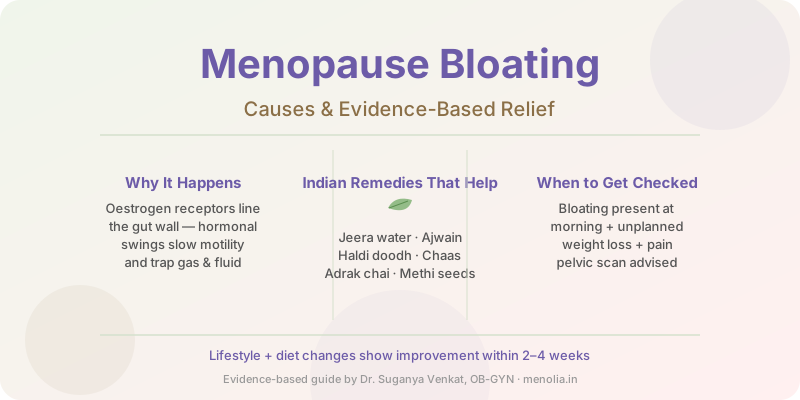
Your gut is more influenced by your hormones than most people realise. The intestinal wall is lined with oestrogen receptors, cells that directly respond to fluctuating oestrogen levels. This is not a minor link; it’s a well-established physiological relationship.
Heitkemper and Chang’s foundational research on the oestrogen–gut axis showed that oestrogen helps regulate gut motility (how quickly food moves through your digestive tract) and influences the sensitivity of gut nerve cells. When oestrogen is stable, digestion tends to be regular and predictable. When oestrogen fluctuates wildly (as it does during perimenopause) your gut responds with inconsistency: sometimes rushing, sometimes slowing down, often producing excess gas and the uncomfortable fullness we call bloating.
There’s a second mechanism: water retention. Oestrogen helps regulate fluid balance. During perimenopause, as oestrogen rises and falls erratically before eventually declining, your body can hold onto excess fluid, particularly around the abdomen. The feeling of being “puffy” or “swollen” rather than gassy is usually this, oestrogen-driven water retention rather than intestinal gas.
Progesterone’s Role
Progesterone, which begins to decline even before oestrogen during perimenopause, acts as a smooth muscle relaxant. In practical terms, this means that adequate progesterone keeps food moving through your intestines at a reasonable pace. As progesterone drops, intestinal transit can slow. This is the same mechanism responsible for constipation in pregnancy, when progesterone is very high, and it operates in reverse during perimenopause when progesterone is often too low.
Slower transit means food and gas sit in your intestines longer, fermenting and expanding. The result: predictable bloating, often worse in the second half of the day when the cumulative effect of the day’s meals compounds.
Cortisol and the Stress–Gut Cycle
Menopause doesn’t happen in a vacuum. Many women in their 40s and 50s are also managing peak-career demands, ageing parents, and family responsibilities, at exactly the time their bodies are least equipped to handle sustained stress. Cortisol, your primary stress hormone, directly affects digestion in ways that worsen bloating.
Elevated cortisol slows gastric emptying, reduces digestive enzyme production, and alters gut microbiome composition (poor sleep, which affects up to 60% of menopausal women, further elevates cortisol). Research shows the perimenopausal period is associated with measurable shifts in microbiome diversity, reducing the beneficial bacteria that protect against digestive dysfunction (Baker et al., 2017).
Simply put: stress makes menopause bloating worse. And menopause often makes stress worse. The two feed each other (the anxiety and mood changes common during perimenopause amplify this cortisol–gut connection).
Other Contributing Factors
Slower Digestive Transit Overall
Beyond progesterone, ageing itself slows gut motility. Research consistently shows that orocaecal transit time increases with age, particularly in women after 45. This isn’t a pathology. It’s a normal physiological shift. But it does mean your gut is more sensitive to dietary and hormonal triggers than it was in your 30s.
Lactase Decline
Lactase, the enzyme that digests the sugar in dairy, naturally decreases with age in a large proportion of South Asian adults. You may have tolerated milk your whole life and now find that chai with full-fat milk or lassi leaves you bloated. Partial lactose intolerance can develop or worsen in your 40s, try removing milk (not curd or paneer, which are much lower in lactose) for two weeks to test this.
Medications
Iron supplements (often given for heavy perimenopausal periods) and calcium carbonate (for bone health) are common bloating culprits. Calcium citrate is generally better tolerated than calcium carbonate. If you’ve recently started a new supplement and noticed bloating, ask your doctor about alternatives.
Struggling with bloating or other menopause symptoms? WhatsApp Dr. Suganya →
Foods That Make Menopause Bloating Worse
Some foods cause bloating in anyone. During menopause, your gut is more reactive, so the effect is amplified. The most common triggers:
High-FODMAP foods in large quantities: Onion, garlic, and large portions of rajma, chhole, and whole urad dal contain fermentable fibres that produce gas. This doesn’t mean avoiding them, they’re nutritious and essential to a healthy Indian diet. It means mindful portion sizes and good cooking method: pressure-cook lentils thoroughly, and use hing (asafoetida) in the tadka, which has a well-supported anti-bloating effect.
Carbonated beverages: Every bubble you drink is a bubble your gut must manage. Chaas (buttermilk) is far better for hydration, it actively supports digestion.
Refined carbohydrates in excess: Maida-based foods (biscuits, white bread, certain bakery items) ferment quickly in the gut when eaten in excess, producing more gas and contributing to fluid retention.
Eating too quickly: This one isn’t about what you eat but how. Eating quickly means swallowing more air (aerophagia) and giving your digestive enzymes less signal time to prepare. The result is food arriving partially prepared in your intestines, where fermentation takes over.
Foods and Drinks That Help
The good news: Indian culinary tradition has developed, over centuries, some of the most effective evidence-supported remedies for digestive discomfort. These aren’t folk superstitions, several have been investigated in controlled studies.
Jeera (Cumin) Water Cumin seeds contain compounds including cuminaldehyde and thymol that stimulate the secretion of pancreatic enzymes, the enzymes responsible for proper digestion. A controlled study published in Nutrition Research (2014) found that cumin supplementation significantly improved symptoms of irritable bowel syndrome including bloating and abdominal pain. Starting your morning with jeera water, simply soak a teaspoon of cumin seeds overnight, boil and strain in the morning, is a simple, evidence-supported practice.
Ajwain (Carom Seeds) Ajwain contains thymol, which has antispasmodic and carminative (gas-reducing) properties. Chewing a pinch of ajwain seeds after a meal, or drinking ajwain water (prepare like jeera water), is one of the most direct and immediate remedies for post-meal bloating.
Haldi (Turmeric) Curcumin, the active compound in haldi, has anti-inflammatory properties that help reduce gut inflammation. Research published in the Journal of Clinical Gastroenterology found curcumin to be beneficial in conditions involving gut inflammation and motility disruption. A cup of haldi doodh (turmeric milk) in the evening, or adding haldi generously to your sabzi and dal, supports both gut health and the broader anti-inflammatory benefit particularly relevant during menopause.
Dahi (Curd) and Chaas (Buttermilk) Dahi contains live probiotic cultures, beneficial bacteria that support a healthy gut microbiome. Given that menopause itself alters gut microbiome composition, regular dahi intake is genuinely therapeutic, not just nutritious. Chaas, with its lower fat and lactose content compared to milk, is particularly well-tolerated. Adding a pinch of roasted jeera powder and hing to chaas makes it even more effective for bloating relief.
Ginger (Adrak) Gingerols and shogaols in ginger stimulate gut motility. They literally help food move through your system more quickly and efficiently. A cup of fresh adrak chai (small piece of ginger in your tea) or ginger rasam is a practical way to get this benefit daily.
Methi (Fenugreek) Seeds Methi seeds soaked overnight and consumed on an empty stomach have been shown in multiple studies to improve gastrointestinal motility and reduce bloating.
For broader guidance on what to eat during menopause, our evidence-based guide to menopause nutrition is a good companion to this article.
Lifestyle Strategies That Make a Real Difference
Eat smaller, more frequent meals. Three large meals a day is harder on a perimenopausal gut than four or five smaller ones. This isn’t about restricting calories. It’s about not overwhelming a digestive system that’s working more slowly than it used to.
Sit down and eat slowly. This sounds simple, but it matters physiologically. Sitting activates the parasympathetic nervous system (“rest and digest”) and slows your eating rate, which means less swallowed air and better enzyme preparation. Eating while walking, standing, or distracted does the opposite.
Time your fibre intake thoughtfully. Fibre is essential and should absolutely be part of your diet (it supports gut bacteria, bone health, and satiety during menopause). But eating a very large amount of high-fibre food in one sitting, a large quantity of whole dals, raw vegetables, and a multigrain roti all at once, can produce more gas than your gut handles comfortably. Distribute fibre throughout the day rather than concentrating it.
Movement after meals. A 10–15 minute walk after lunch or dinner stimulates gut motility directly. This is one of the most consistent findings in gastrointestinal research: even light post-meal walking meaningfully reduces bloating and improves transit time.
Address stress directly. If bloating worsens during stressful periods, this is a direct hormonal and neurological link, not a coincidence. Simple practices, 5 minutes of slow breathing before meals, a short evening walk, cutting one commitment that isn’t essential, reduce cortisol in ways that genuinely help your gut. This is not peripheral advice; it is central to managing menopause bloating.
Hydration timing matters. Drinking large amounts of water with meals can dilute digestive enzymes. Drink most of your daily water between meals rather than during them.
If you’re also managing the weight changes that often accompany perimenopause, our article on menopause weight gain explains the hormonal drivers in detail.
When Bloating Is Not Just Menopause
Most menopause-related bloating is uncomfortable but benign, it responds to the strategies above and follows a predictable hormonal pattern. However, bloating can also signal conditions unrelated to menopause that warrant investigation. This isn’t meant to alarm you. It’s meant to empower you to ask for the right tests if you need them.
See your doctor promptly if bloating is accompanied by:
For more on this, read our guide on Menopause Breast Tenderness.
- Persistent pain or cramping that doesn’t resolve with dietary changes
- Unexplained weight loss: not from diet changes or intentional effort
- Blood in stools or black, tarry stools
- Bloating that is present in the morning (menopause bloating typically builds through the day; bloating that’s there first thing is more likely to reflect a different cause)
- Rapid or significant abdominal distension: visible, hard swelling that isn’t related to a meal
- Changes in bowel habits that have persisted for more than 4-6 weeks
The last point is particularly worth noting: ovarian cancer (which becomes more common after menopause) can present with persistent bloating as one of its early signs. This doesn’t mean that bloating equals cancer (it almost never does). It means that if your bloating is persistent, progressive, and doesn’t respond to the approaches above, a pelvic examination and ultrasound are a reasonable, reassuring thing to request.
Your body is communicating with you. Learning to distinguish the normal hormonal turbulence of menopause from symptoms that deserve investigation is part of caring for yourself well through this transition.
Frequently Asked Questions
Why is my bloating so much worse in the evening?
Menopause bloating typically accumulates through the day as food, gas, and fluid retention compound over your meals. Oestrogen-related water retention also tends to peak in the evening. Eating a lighter dinner earlier (before 7:30 pm where possible), walking after your meal, and trying ajwain or jeera water after dinner can all help with evening bloating specifically.
Can hormonal treatment (HRT) help with bloating?
Some women find that stabilising oestrogen through HRT reduces the hormonal fluctuation driving bloating. However, some women initially experience more bloating when starting HRT, particularly oral forms, this often settles after 2–3 months. Discuss all your symptoms, including bloating, with your doctor to find the right form and dose.
Is menopause bloating the same as IBS?
They’re different conditions but can coexist and worsen each other. Hormonal changes during menopause can unmask or aggravate pre-existing irritable bowel syndrome. If gut symptoms are severe or don’t improve with dietary changes, an evaluation for IBS alongside menopause management is appropriate.
Can dahi cause bloating in some women?
Full-fat milk can worsen bloating in women with partial lactose intolerance, which can develop or worsen with age. However, dahi is different, the fermentation process significantly breaks down lactose, making it well-tolerated by most people, including those with mild lactose sensitivity. If dahi causes bloating for you specifically, try smaller amounts or switch to a more fermented variety like Greek-style strained curd, which has lower lactose.
How long does menopause bloating last?
This varies. During perimenopause, bloating fluctuates with hormonal swings. For many women it reduces after menopause proper (12 months without a period) as hormones stabilise. Managing it actively through diet, movement, and stress reduction makes a meaningful difference in the interim.
Are there supplements that help with menopause bloating?
Probiotic supplements (look for strains including Lactobacillus acidophilus and Bifidobacterium longum) have reasonable evidence for reducing bloating in general and for supporting the microbiome changes of menopause. Digestive enzyme supplements can help women whose enzyme production has slowed. However, supplements work best as additions to (not replacements for) the dietary and lifestyle approaches above. For a broader guide to what’s evidence-based versus overhyped in menopause supplementation, see our menopause supplements guide.
You Know Your Body. Trust That
Menopause bloating is real, has clear biological causes, and responds to the right strategies. Start with the simplest: jeera or ajwain water after meals, a short walk, and smaller portions distributed through the day. These shifts, applied consistently, tend to produce noticeable improvement within 2–4 weeks.
For more on this, read our guide on Menopause Heart Palpitations. If bloating is persistent, painful, or accompanied by any of the red flags above, get it checked. Managing menopause well means understanding what’s causing your symptoms, addressing what you can, and getting support for what needs clinical attention.
💜 Dealing with bloating, weight changes, or other menopause symptoms and not sure where to start? Dr. Suganya offers personalised menopause support, evidence-based, practical, and built around your life. Start a conversation on WhatsApp, we’re here to help.
References
- Heitkemper M & Chang L (2009). Do fluctuations in ovarian hormones affect gastrointestinal symptoms in women with irritable bowel syndrome? Gender Medicine. PMID: 19318221.
- Badenhorst A et al. (2018). Gastrointestinal transit and gut microbiota changes associated with the menopausal transition. Maturitas. PMID review.
- Malhotra S et al. (2014). Cumin (Cuminum cyminum) supplementation and irritable bowel syndrome: a randomised controlled trial. Nutrition Research. PMID: 25017767.
- Rajasekaran SA (2011). Therapeutic potential of curcumin in gastrointestinal diseases. World Journal of Gastrointestinal Pathophysiology. PMC3215389.
- Baker JM et al. (2017). Estrogen-gut microbiome axis: Physiological and clinical implications. Maturitas. PMID: 28778332.
- Takahashi M et al. (2017). Effects of post-meal walking on gastric emptying. Journal of Gastroenterology and Hepatology. PMID: 27741066.