You’re 34. Or 37. Or maybe 29. And your periods have become irregular, or stopped altogether. You’re getting hot flashes. Your sleep is disrupted. Something feels off.
You search online, but everything about menopause talks about women in their 50s. You think, “This can’t be happening to me yet.”
But sometimes, it can.
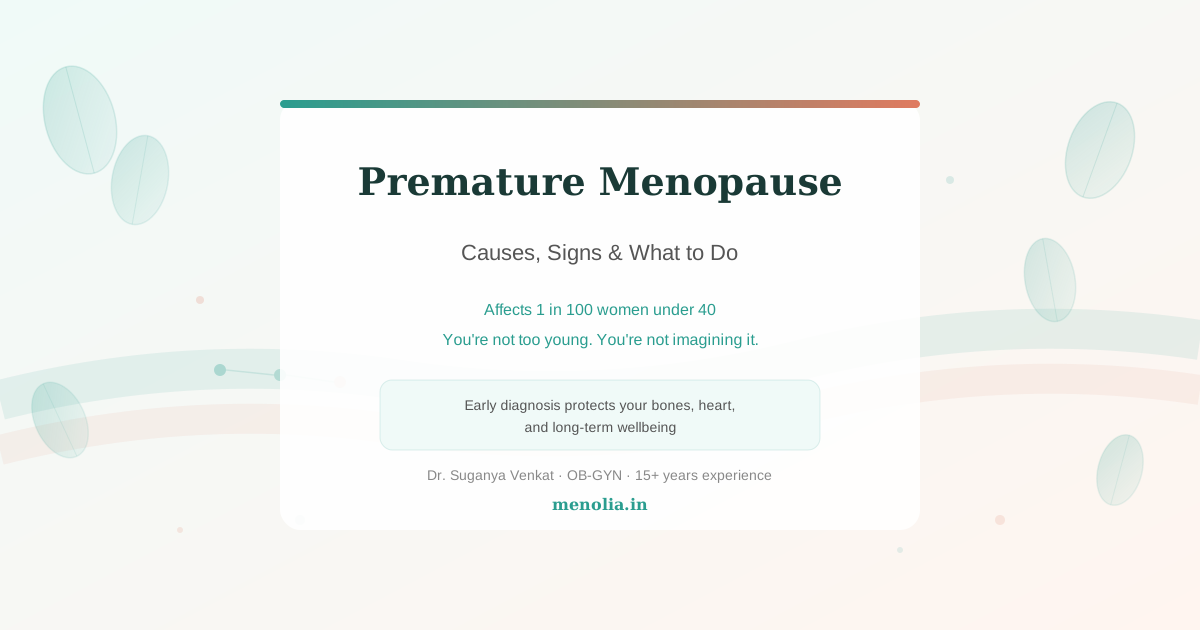
Premature menopause: or more accurately, Premature Ovarian Insufficiency (POI): is when your ovaries stop functioning normally before the age of 40. It’s more common than most women realise. And the earlier you understand what’s happening, the better you can protect your health.
This isn’t a diagnosis that defines your life. But it is one that deserves proper attention, honest information, and compassionate support.
What This Post Covers
- What premature menopause actually means (and how it differs from early menopause)
- How common it really is
- The known causes, from autoimmune to genetic to unexplained
- Signs and symptoms to watch for
- How it’s diagnosed
- Long-term health implications and why early treatment matters
- Treatment and support options
- Emotional impact, because the feelings are real and valid
- Frequently asked questions
Premature Menopause vs Early Menopause. The Difference
These terms are often used interchangeably, but they’re not the same:
| Term | Age | Medical Definition |
|---|---|---|
| Premature menopause / POI | Before 40 | Ovarian function stops or significantly declines before age 40 |
| Early menopause | 40-45 | Menopause occurs earlier than average but within a broader normal range |
| Natural menopause | 45-55 (average 51 in India) | Ovarian function declines naturally |
The correct medical term used today is Premature Ovarian Insufficiency (POI) rather than “premature ovarian failure”, because the ovaries haven’t necessarily “failed” completely. In some cases, they still produce hormones intermittently, and spontaneous ovulation can occasionally occur (European Society of Human Reproduction and Embryology, 2016. POI Guideline).
Read more: When does menopause normally start in India?
How Common Is It?
Premature menopause affects approximately:
- 1 in 100 women under the age of 40
- 1 in 1,000 women under the age of 30
- 1 in 10,000 women under the age of 20
(Webber et al., 2016, Human Reproduction Update)
In India, some research suggests the prevalence may be higher due to genetic and nutritional factors. A study from AIIMS found that POI accounted for 4-18% of cases of secondary amenorrhoea (absent periods) in Indian gynaecology clinics (Kalantaridou et al., 1998, Endocrine Reviews; Indian data from clinical audits).
These numbers mean: if you’re experiencing menopause symptoms in your 30s, you are not alone, and you are not imagining it.
What Causes Premature Menopause?
In roughly 50-90% of cases, no specific cause is found, doctors call this idiopathic POI (Vujovic, 2009, Menopause). That can be frustrating, but it’s important to know that the absence of a clear cause doesn’t mean you did anything wrong.
When a cause is identified, it typically falls into one of these categories:
1. Autoimmune Conditions
This is the most common identifiable cause, accounting for up to 30% of POI cases (Silva et al., 2014, Autoimmunity Reviews). Your immune system mistakenly attacks ovarian tissue. Women with autoimmune thyroiditis (Hashimoto’s), Addison’s disease, or Type 1 diabetes have a higher risk.
If you have POI, your doctor should screen for associated autoimmune conditions, particularly thyroid function and adrenal antibodies.
Related: Thyroid changes during menopause
2. Genetic Factors
Several genetic conditions are linked to premature menopause:
- Turner syndrome (45,X karyotype), affects ovarian development from birth
- Fragile X premutation: carriers have a 13-26% risk of POI (Sherman, 2000, American Journal of Medical Genetics)
- Family history: if your mother, sister, or aunt had early menopause, your risk is higher. The heritability is significant
Genetic testing may be recommended, particularly if POI occurs before age 35 or there’s a family history.
3. Surgical Menopause
Removal of both ovaries (bilateral oophorectomy) (sometimes performed during a hysterectomy) causes immediate menopause regardless of age. This is the most abrupt form of premature menopause, and the sudden hormone drop can cause more intense symptoms than a gradual decline.
Even hysterectomy without removing the ovaries can sometimes accelerate the timeline to menopause, likely due to disrupted blood supply to the ovaries (Farquhar et al., 2006, BMJ).
4. Cancer Treatments
Chemotherapy and pelvic radiation therapy can damage ovarian tissue. The risk depends on:
- The type and dose of chemotherapy (alkylating agents carry the highest risk)
- The radiation dose and field
- The woman’s age at treatment (younger women have more ovarian reserve and may be more resilient)
If you’re about to start cancer treatment and haven’t gone through menopause, discuss fertility preservation options (such as egg freezing) with your oncologist before treatment begins.
5. Infections and Environmental Factors
Rarely, infections like mumps (mumps oophoritis), tuberculosis, or malaria can damage ovarian tissue. Exposure to certain environmental toxins and heavy smoking can also accelerate ovarian aging.
6. Galactosaemia
A rare metabolic condition where the body cannot process galactose (a sugar in milk). Up to 80% of women with galactosaemia develop POI.
Signs and Symptoms to Watch For
The symptoms of premature menopause are similar to natural menopause, but occurring at an unexpected age often means women don’t connect the dots:
Menstrual Changes
- Periods becoming irregular, longer gaps, shorter cycles, or unpredictable timing
- Periods stopping altogether (amenorrhoea)
- Lighter or heavier flow than usual
Vasomotor Symptoms
- Hot flashes, sudden waves of heat, especially to the face, neck, and chest
- Night sweats that disrupt sleep
- These can range from mild and occasional to severe and frequent
Mood and Cognitive Changes
- Anxiety or low mood that feels different from your baseline
- Difficulty concentrating or “brain fog”
- Irritability or emotional sensitivity
Read more: Menopause and anxiety. It’s not in your head
Physical Changes
- Vaginal dryness or discomfort
- Reduced sex drive
- Joint aches or stiffness
- Fatigue that doesn’t improve with rest
- Difficulty sleeping even when you’re exhausted
Fertility Changes
- Difficulty conceiving
- Sometimes, POI is first discovered when a woman seeks help for infertility
Important: Many of these symptoms overlap with thyroid disorders, stress-related hormonal changes, and other conditions. Don’t self-diagnose, but do take your symptoms seriously and ask your doctor to investigate properly.
How Premature Menopause Is Diagnosed
Diagnosis requires a combination of clinical assessment and blood tests:
Blood Tests
| Test | What It Shows | Indicative of POI |
|---|---|---|
| FSH (Follicle Stimulating Hormone) | How hard your brain is working to stimulate your ovaries | FSH above 25 IU/L on two tests taken 4-6 weeks apart |
| Oestradiol (E2) | Your ovarian oestrogen production | Low oestradiol (below 50 pg/mL) alongside high FSH |
| AMH (Anti-Müllerian Hormone) | Your ovarian reserve, how many eggs remain | Very low or undetectable AMH supports the diagnosis |
| Thyroid function (TSH) | Rules out thyroid causes of period changes | Should be tested in every case |
Related: What your AMH test means
Additional Testing
Depending on your situation, your doctor may recommend:
- Karyotype analysis (genetic testing), especially if POI occurs before age 35
- Fragile X premutation screening
- Adrenal and thyroid antibody tests (autoimmune screening)
- DEXA scan (bone density), because reduced oestrogen accelerates bone loss
- Pelvic ultrasound: to assess ovarian size and follicle count
The Importance of Two FSH Tests
A single elevated FSH doesn’t confirm POI. FSH levels fluctuate, and temporary hormonal disruptions (from stress, extreme weight loss, or illness) can cause a transient rise. Your doctor should confirm with two elevated FSH readings, 4-6 weeks apart, along with absent or irregular periods for at least 4 months.
Worried about your symptoms? Dr. Suganya can review your reports and help you understand what’s happening. There’s no pressure, just clarity. Start a conversation on WhatsApp →
Why Early Diagnosis and Treatment Matter
Premature menopause isn’t just about periods stopping. Oestrogen plays protective roles throughout your body, and losing it 10-20 years early has real health implications:
Bone Health
Oestrogen is critical for maintaining bone density. Women with untreated POI have a significantly higher risk of osteoporosis and fractures. Bone loss begins immediately when oestrogen drops, the earlier menopause occurs, the greater the cumulative bone loss by age 50-60.
Read more: Menopause and bone health
Heart Health
Oestrogen has a protective effect on blood vessels and cholesterol levels. Premature menopause is associated with a higher risk of cardiovascular disease later in life (Muka et al., 2016, JAMA Cardiology, a meta-analysis of over 300,000 women). This doesn’t mean heart disease is inevitable, it means proactive monitoring and healthy lifestyle choices become especially important.
Read more: Menopause and heart health
Mental and Emotional Health
The diagnosis itself carries an emotional weight that shouldn’t be underestimated. Beyond the hormonal impact on mood, women with premature menopause often experience:
- Grief, for the expected timeline of their reproductive years
- Identity questions, especially if they hadn’t completed or started their families
- Isolation, feeling out of step with peers who are still menstruating normally
- Anxiety about long-term health
These feelings are completely valid. They’re not a sign of weakness, they’re a natural response to a significant life change at an unexpected time.
Cognitive Health
Emerging research suggests that premature oestrogen loss may affect long-term cognitive function, though this area is still being studied (Rocca et al., 2011, Neurology). Hormone replacement in the appropriate age window appears to be protective.
Treatment and Support Options
Hormone Replacement Therapy (HRT)
For women with premature menopause, HRT is not optional in the same way it might be for natural menopause at 50+. Medical guidelines from ESHRE, NICE, and the International Menopause Society all recommend hormone replacement at least until the average age of natural menopause (around 51) to protect bones, heart, and brain.
This is important: the risks of HRT that are widely discussed in the media (from the Women’s Health Initiative study) apply to older women who started HRT well after menopause. For young women with POI, the risk-benefit balance is clearly in favour of replacement, you’re restoring hormones to the level your body should have, not adding excess hormones.
Your gynaecologist will help you choose the right formulation, oestrogen (patches, gel, or tablets) plus progesterone (if you have a uterus). This is a conversation to have with your doctor, tailored to your individual health profile.
Lifestyle Support. What You Can Do Today
Alongside medical treatment, lifestyle changes play a crucial supporting role:
Nutrition for Bone and Heart Protection:
- Calcium-rich foods: dahi (curd), ragi, paneer, sesame seeds (til), green leafy vegetables like amaranth and drumstick leaves. India’s traditional foods are actually excellent for calcium, 100g of ragi provides approximately 344mg of calcium
- Vitamin D: Get 15-20 minutes of morning sunlight daily. Vitamin D deficiency is extremely common in Indian women and worsens bone loss. Your doctor may recommend supplementation
- Omega-3 fatty acids: flaxseeds, walnuts, fatty fish (if you eat fish). Support heart health and reduce inflammation
- Phytoestrogens: soy products (tofu, soy milk), flaxseeds, sesame seeds contain plant compounds that mildly mimic oestrogen
Read more: What to eat during menopause
Exercise:
- Weight-bearing exercise (walking, jogging, dancing, stair climbing) stimulates bone formation
- Resistance training (bodyweight exercises, resistance bands, light weights) builds muscle and supports bone density
- Yoga and stretching improve flexibility, reduce joint stiffness, and support mental health
- Aim for at least 150 minutes of moderate activity per week
Read more: Exercise during menopause
Mental Health Support:
- Talk to someone, a counsellor, a support group, or a trusted friend
- Journaling can help process complex emotions
- Don’t compare your timeline to others’, your experience is valid on its own terms
- Consider professional support if anxiety or depression is significant
Read more: Managing menopause mood changes
Fertility Considerations
This is often the most emotionally charged aspect of premature menopause. Here’s what’s important to know:
- POI doesn’t always mean zero chance of conception. About 5-10% of women with POI may conceive spontaneously, as ovarian function can fluctuate intermittently (van Kasteren & Stoop, 2003, Seminars in Reproductive Medicine)
- Egg donation IVF is the most reliable fertility option for women with POI
- Egg freezing before POI progresses: if you have a family history or early signs, this may be worth discussing with a fertility specialist
- Adoption and surrogacy are also paths to parenthood
If fertility is important to you, have this conversation with your gynaecologist as early as possible. The sooner you explore options, the more options you have.
Supplements That May Help
Discuss with your doctor before starting any supplements:
- Calcium + Vitamin D: essential for bone protection. Typical recommendation: 1000-1200mg calcium + 1000-2000 IU Vitamin D3 daily
- Magnesium: supports bone health, sleep quality, and mood (found in ragi, nuts, and seeds)
- Omega-3: for cardiovascular protection
Read more: Evidence-based menopause supplements
Living Well with Premature Menopause
A premature menopause diagnosis can feel like your body has betrayed you, especially when peers around you are living in a different biological reality.
But here’s what women who’ve navigated this will tell you:
It changes the timeline, not the destination. With proper medical treatment, lifestyle support, and emotional care, women with premature menopause can protect their bone health, heart health, and quality of life. You can still feel strong, energised, and like yourself.
You didn’t cause this. Unless there’s a clear surgical or treatment-related cause, POI is not something you brought upon yourself through diet, stress, or lifestyle. The guilt some women feel is understandable but misplaced.
Your feelings deserve space. Whether it’s grief about fertility, frustration about symptoms, or anger about the unfairness of it, those feelings are part of the process. Give yourself permission to feel them without rushing to “move on.”
These tests are worth asking for. If your symptoms persist and a stress-only explanation doesn’t feel like the full picture, it is completely reasonable to ask your doctor directly about FSH, estradiol, and AMH testing, and to ask for a repeat if the numbers come back borderline. Early diagnosis of POI makes a measurable difference in long-term health outcomes, so clarity is worth pursuing.
Dr. Suganya works with women across the hormonal spectrum, from PCOS to menopause. If you’re experiencing symptoms that don’t make sense for your age, a conversation is the first step. Message on WhatsApp →
Frequently Asked Questions
Can premature menopause be reversed?
In most cases, no, premature ovarian insufficiency is not reversible. However, ovarian function can fluctuate in some women, with intermittent hormone production and occasionally even spontaneous ovulation. This is why it’s called “insufficiency” rather than “failure.” What can be managed effectively are the symptoms and long-term health risks, through hormone replacement and lifestyle support.
Is premature menopause hereditary?
There is a significant genetic component. If your mother or sister experienced menopause before 40, your risk is higher. However, many women with POI have no family history at all. Genetic testing (karyotype analysis and Fragile X premutation screening) can sometimes identify a genetic cause.
What’s the difference between POI and PCOS?
They’re very different conditions, though both involve irregular periods. In PCOS, the ovaries are overactive (producing excess androgens) and there are often many small follicles. In POI, the ovaries are underactive (producing insufficient oestrogen) and follicle count is very low. FSH is typically low in PCOS and high in POI. The treatments are completely different.
Will I age faster if I have premature menopause?
Not if you receive appropriate hormone replacement. The health risks associated with premature menopause (bone loss, cardiovascular risk, cognitive changes) are largely driven by oestrogen deficiency. Replacing oestrogen to age-appropriate levels significantly reduces these risks. You won’t “look older”, but you do need to take the medical side seriously.
Can lifestyle changes alone manage premature menopause?
Lifestyle changes (nutrition, exercise, stress management) are essential but typically not sufficient on their own for premature menopause. Unlike natural menopause at 50+, where lifestyle support may be adequate for many women, POI usually requires hormone replacement to protect long-term health. Think of it as: lifestyle changes are the foundation, HRT fills the hormonal gap.
Should I get my daughters tested?
There’s no routine screening test for POI risk. However, if you have premature menopause (especially with a genetic cause) it’s worth mentioning to your daughters’ doctors as part of their family medical history. If your POI is linked to a Fragile X premutation, genetic counselling for your family is recommended.
Can I still take birth control with POI?
Oral contraceptive pills (OCPs) can provide hormone replacement and contraception simultaneously, yes, contraception is still relevant because spontaneous ovulation can occasionally occur. However, standard HRT formulations may be preferred over OCPs in some cases. Your gynaecologist will guide you based on your individual needs.
Dr. Suganya Venkat is an OB-GYN with 15+ years of clinical experience. DNB OB-GYN (GKNM, Coimbatore) · MD Pathology (CMC Vellore) · MBBS with 5 Gold Medals (SRMC).