The Private Search Women Make
Most women do not raise this at a routine visit. They do not mention it to family. They search privately and hope to find a clear answer.
“White discharge after menopause: is it normal?”
In my clinic, I see women who have managed years of hot flashes, joint pain, and sleep disruption without complaint but have spent months quietly watching a vaginal symptom and wondering whether to say something. The cultural hesitancy around vaginal health is real, and the uncertainty about what is serious and what is not keeps a lot of women waiting longer than they need to.
This post gives you a clear colour-by-colour guide: what white discharge usually means, what brown discharge usually means, what watery and red discharge usually mean, and when it genuinely makes sense to see a gynaecologist without delay.
For more on this, read our guide on Menopause Red Flags. What this post covers:
- Why vaginal discharge changes after menopause and what causes it
- A plain-English guide to each colour and what it typically signals
For more on this, read our guide on Menopause Hair Thinning.
- The single type of discharge that needs prompt evaluation
- What your gynaecologist will check and how long it takes
- Simple steps that help with discharge from vaginal atrophy
Why Vaginal Discharge Changes After Menopause
During your reproductive years, oestrogen keeps the vaginal lining thick, well-lubricated, and maintained by Lactobacillus bacteria that hold the vaginal pH at around 4.0 to 4.5. This environment is self-cleaning and protective.
After menopause, oestrogen falls sharply. The vaginal lining becomes thinner and less elastic. The protective pH rises to 5.0 and above. This set of changes is now called Genitourinary Syndrome of Menopause (GSM), a term formalised by Portman and Gass in 2014 to capture the vaginal, urinary, and sexual symptoms that arise from oestrogen deficiency.
For more on this, read our guide on Menopause & B12 Deficiency. When the vaginal environment changes, discharge changes with it:
- Secretions from the vaginal walls decrease, producing less of the familiar whitish mucus
- Bacteria shift from protective Lactobacillus to more mixed populations, altering colour and sometimes odour
- The thinned atrophic lining can shed cells that form a watery or slightly yellow secretion
- Small blood vessels close to the surface become fragile and may bleed lightly from minor friction or movement
The result is a pattern of discharge that is different from anything a woman experienced during her reproductive years. Most of the time, there is a benign explanation. What matters is the colour, consistency, quantity, and any accompanying symptoms.
What Each Colour Means
White or Off-White Discharge
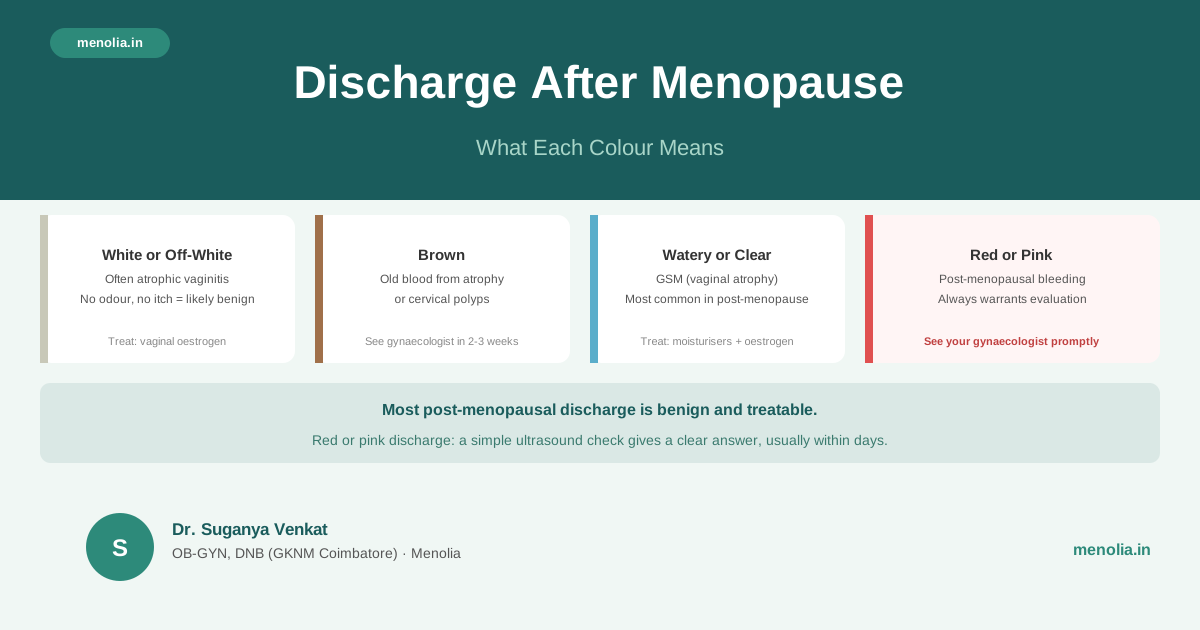
A small amount of white or cream-coloured discharge is one of the more common post-menopausal findings and is most often caused by vaginal atrophy. As the vaginal walls thin, they shed epithelial cells in a pale, sometimes slightly thick secretion.
This type of discharge is usually:
- Small in quantity (noticeable on underwear but not requiring a pad)
- Without strong or unpleasant odour
- Not accompanied by itching, burning, or pelvic discomfort
If it fits this description, it is most likely atrophic in origin and does not indicate infection or malignancy.
One exception worth knowing: thick white discharge with intense itching, redness around the vulva, and a cottage-cheese texture can indicate a vaginal yeast infection. Yeast infections become more common after menopause because the rising pH removes the protection that kept Candida in check. A gynaecologist can confirm this with a simple swab, and it responds well to antifungal treatment.
Yellow or Pale Yellow Discharge
A pale yellow discharge is often an extension of atrophic changes. As vaginal epithelial cells break down, the discharge can take on a slightly yellow tint, particularly if it has been sitting in the vaginal canal before appearing.
Yellow discharge becomes more worth assessing when it is:
- Accompanied by a foul or noticeably different odour
- Associated with burning, itching, or pelvic irritation
- Greenish in shade, suggesting bacterial vaginosis or trichomoniasis
These infections are straightforward to identify with a high vaginal swab and respond well to treatment. They are more common after menopause because the altered vaginal environment is less resistant to overgrowth.
Brown Discharge
Brown discharge after menopause almost always means old blood. The brown colour is blood that has oxidised (aged) before making its way out. This is a useful piece of information: brown means the bleeding is not fresh and usually not active.
The most common causes include:
Atrophic vaginitis. The fragile atrophic lining bleeds slightly from friction or movement, and the blood oxidises before appearing. This is by far the most common cause and is both benign and treatable.
Endometrial or cervical polyps. These are small, non-cancerous growths from the lining of the uterus or the cervix. They can bleed intermittently, producing a brown or occasionally pinkish discharge. They are extremely common in post-menopausal women and are usually benign.
Cervical ectropion. The inner cervical lining extends onto the outer surface of the cervix and is prone to light contact bleeding. This is benign and common.
What to do with brown discharge: It warrants a gynaecologist visit to check for polyps and to assess the endometrial lining, but it rarely needs a same-day appointment. A week or two is a reasonable timeframe. Do not ignore it indefinitely, but there is no need to treat it as an emergency.
Watery or Clear Discharge
A watery, clear discharge is frequently one of the early signs of GSM that women notice. As the vaginal walls thin, they produce a watery transudate that is more liquid than the thicker mucus of the reproductive years.
In most cases, clear or watery discharge after menopause is:
- Completely benign and related to atrophic changes
- Without odour or associated discomfort
- Sometimes a normal response to arousal (vaginal transudation still occurs post-menopause, though in smaller amounts)
In rare cases, a very watery discharge (particularly if it has a faint faecal or urinary odour) can indicate an abnormal connection between the vaginal canal and the rectum or bladder (a fistula), particularly in women who have had pelvic surgery or pelvic radiation. This is uncommon but warrants prompt assessment if the discharge has an unusual smell or if bowel or urinary contents appear to be involved.
Red or Pink Discharge: When to Be Seen
Any red or pink discharge that appears 12 or more months after your last period is classified medically as post-menopausal bleeding (PMB). This is the one type of post-menopausal discharge that deserves a gynaecology appointment rather than a watchful approach.
The reason for this recommendation is straightforward: PMB is the presenting symptom for endometrial cancer in approximately 10 percent of cases (Clarke et al., JAMA Internal Medicine, 2018, PMID 30083701). The other 90 percent of causes are benign. Atrophic endometrium accounts for 60 to 80 percent of cases, with polyps and HRT-related changes making up most of the remainder. But because an investigation is simple, quick, and usually reassuring, the standard recommendation is to assess all PMB rather than guess at the cause.
A red streak on toilet paper, a small pink tint to discharge, a single episode that has not recurred: all of these qualify as PMB and all of them are worth a call to your gynaecologist.
The investigation itself is not complicated:
A transvaginal ultrasound measures the thickness of the endometrial lining. An endometrial lining of 4mm or less carries a very high negative predictive value for endometrial cancer in women with post-menopausal bleeding (Karlsson et al., 1995, American Journal of Obstetrics and Gynecology, the Nordic multicentre study). Most women are reassured at this step. If the lining is thicker than 4mm, or if the result is inconclusive, a pipelle biopsy takes a small tissue sample for laboratory analysis. This is done in an outpatient clinic, typically without anaesthesia, and results usually arrive within five to seven working days.
For more on this, read our guide on Endometrial Thickness After Menopause. From first appointment to result, this process takes less than a week or two in most cases. The goal is reassurance, and the investigation delivers exactly that for the majority of women.
Noticed any new discharge after your periods stopped? Dr. Suganya can help you understand what it likely means and whether it needs an appointment soon or can wait for a routine visit.
The India Context: Why Women Wait
Women often wait a long time before raising post-menopausal vaginal discharge or bleeding with anyone. I do not have an Indian figure worth quoting for how long, but the reasons come up again and again in consultations: cultural taboo around vaginal symptoms, a belief that “this is normal after this age,” reluctance to raise the subject with family or a male doctor, and difficulty accessing a female gynaecologist within a reasonable distance or cost.
This delay matters most for the minority of cases where the cause is not benign. Endometrial cancer identified at stage I (confined to the uterus) carries a five-year survival rate above 90 percent. At stage III, that number falls significantly. The window between early and late detection is often months, not years.
If you have been watching a symptom for a while before reading this: you have not done anything wrong. The next step is simply to make the appointment. Most women who do leave their gynaecologist visit with nothing more than reassurance and a treatment plan for atrophy.
What Your Gynaecologist Will Check
When you come in with post-menopausal discharge, a thorough evaluation typically includes:
A detailed symptom history. When did the discharge start? What colour? How much? Any odour? Any pelvic discomfort, abdominal bloating, or change in bowel or urinary habits? Are you on any medication including HRT, tamoxifen, or blood thinners?
A speculum examination. The gynaecologist inspects the vaginal walls, cervix, and vulva directly. Atrophic tissue looks pale, thin, and sometimes slightly raw. Cervical polyps are visible to the naked eye. Any area that looks unusual can be noted or sampled at this stage.
A transvaginal ultrasound (TVUS). For any red or brown discharge, this is the key first investigation. It measures the thickness and texture of the endometrial lining. It uses a small probe placed internally. In most cases it is not painful, though post-menopausal atrophy can make the vaginal canal narrower, so communicating any discomfort to your doctor during the procedure is fine.
Endometrial biopsy (pipelle) if indicated. If the TVUS shows a lining thicker than 4mm, or if the picture is unclear, a pipelle takes a thin tissue sample from inside the uterus for laboratory analysis. This is done in the clinic without anaesthesia in the majority of cases. It takes a few minutes.
Swabs for infection if indicated. For discharge with odour, abnormal colour, or associated irritation, a high vaginal swab identifies bacterial or fungal organisms.
Most of this happens in one appointment. You will not typically be sent home with no information.
Reducing Discharge from Vaginal Atrophy
If your discharge is confirmed to come from GSM or vaginal atrophy, several approaches help directly:
Vaginal oestrogen. This is the most effective intervention for GSM and is recommended by both ACOG and NAMS as the first-line treatment for vaginal symptoms. Available as a cream, pessary, or ring, vaginal oestrogen is applied locally and has very low systemic absorption. It restores the vaginal lining, normalises pH, reduces discharge, and relieves dryness and discomfort. Women who cannot take systemic HRT (for example, those with a history of hormone-receptor-positive breast cancer) should discuss vaginal oestrogen specifically with their specialist, since the low systemic absorption profile means many can use it safely.
For more on this, read our guide on Low Oestrogen Symptoms. Vaginal moisturisers. Non-hormonal vaginal moisturisers, used two to three times per week rather than only before intercourse, help maintain vaginal hydration and restore some of the protective environment. These are available without prescription and are a reasonable starting option while awaiting a gynaecology appointment.
Lubricants. Water-based or silicone-based lubricants reduce friction during intercourse and minimise the small abrasions from atrophic tissue that can produce a brown discharge.
India-relevant dietary support for vaginal tissue health:
- Dahi (curd): Contains Lactobacillus bacteria that support the gut-vaginal microbiome axis. One katori of plain dahi daily is an easy addition.
- Alsi (flaxseed, ground): Lignans in flaxseed have mild phytoestrogenic activity and may support vaginal tissue health. One tablespoon of ground alsi added to dal, porridge, or roti dough works well.
- Til (sesame seeds): Also rich in lignans. A tablespoon in chutneys, chikki, or sprinkled on rice is an easy daily inclusion.
- Rajma and chana (legumes): Contain isoflavones in small amounts that contribute to post-menopausal oestrogen balance. A katori of cooked rajma or chana several times a week is part of a broadly protective diet.
- Haldi (turmeric): One teaspoon in warm milk, dal, or sabzi daily supports the anti-inflammatory tissue environment.
These dietary steps complement medical management. They do not replace vaginal oestrogen if atrophy is established and causing symptoms.
For the full picture of genitourinary syndrome and treatment options, see our complete guide to GSM.
Other relevant posts on menolia.in:
- Post-Menopausal Bleeding: Causes and When to See a Doctor
- Vaginal Dryness After Menopause: Breaking the Silence
- Menopause Painful Intercourse: Why It Happens and What Helps
- Post-Menopause Health Checks: Which 8 Tests Matter Most
Frequently Asked Questions
Is it normal to have white discharge after menopause?
A small amount of clear-to-pale-white discharge without odour or accompanying symptoms is within the range of normal after menopause, usually caused by vaginal atrophy as the vaginal walls respond to lower oestrogen. That said, any discharge that is new, increasing, or accompanied by itching, odour, or discomfort deserves assessment. “Normal” is not a reason to leave a symptom unchecked for an extended period.
How much discharge after menopause is considered too much?
There is no precise volume cutoff, but most women with atrophy-related discharge describe a small amount, enough to notice on underwear but not requiring daily protection. Discharge heavy enough to require a pad, or that soaks through underwear, is more than typical atrophic discharge produces and warrants evaluation.
Can a UTI cause vaginal discharge after menopause?
A urinary tract infection does not usually produce vaginal discharge, but the two conditions frequently appear together in post-menopausal women because both are driven by the same atrophic changes in the vaginal and urethral tissues. If you have both urinary symptoms and vaginal discharge at the same time, mention both to your gynaecologist so both are assessed.
I had a hysterectomy. Should I still be concerned about brown discharge?
After a total hysterectomy (uterus and cervix removed), there is no endometrium to shed, so brown discharge usually comes from vaginal atrophy or from the vaginal cuff (the top of the vaginal canal where the cervix used to be). It still warrants a visit to rule out atrophy requiring treatment, vault granuloma, or in rare cases, pathology at the vaginal wall.
For more on this, read our guide on Menopause After Hysterectomy. I am on HRT. Can HRT cause discharge?
Yes. Breakthrough bleeding or discharge is a known side effect of combined HRT (oestrogen plus progestogen) when first started or when the dose is adjusted. It usually settles within three months. However, any discharge that begins after months of stable HRT, or that is heavy, persistent, or red, should be reported to the prescribing doctor. It warrants the same evaluation as other post-menopausal discharge.
Can I use over-the-counter treatments while waiting for an appointment?
Vaginal moisturisers are safe to start while awaiting a gynaecology visit and may provide relief from dryness and associated discharge. However, for brown or red discharge, these are supportive only and not a substitute for assessment. Please do not use an OTC product and assume the issue is resolved without having the discharge evaluated.
Will post-menopausal discharge resolve on its own?
Discharge from GSM typically does not resolve spontaneously and tends to increase over time without treatment, because oestrogen continues to fall after menopause. Discharge from a yeast infection will often recur if the underlying atrophy is not addressed. The good news is that treatment is effective: vaginal oestrogen, moisturisers, and treatment of any identified infection resolve most cases fully. The check is the first step.
Have questions about discharge or any other symptom you have noticed after menopause? Dr. Suganya provides evidence-based, personalised guidance for all post-menopausal concerns. WhatsApp consultation at Rs 399.