The tea is the same temperature it always was. The roti you have been making for decades is the same recipe. But now the food sticks, the mouth feels parched within an hour of waking, and you find yourself reaching for water mid-conversation in a way you never had to before.
Dry mouth in menopause is one of those symptoms that rarely makes the headline list. Hot flashes, sleep problems, mood changes: those get discussed. But reduced saliva? It gets attributed to not drinking enough water, to the weather, to getting older, and left there.
The reality is more specific. Oestrogen plays a direct role in salivary gland function. When oestrogen falls in perimenopause and after, the glands that produce saliva can slow down. The result is xerostomia: the clinical term for abnormal dryness of the mouth from reduced salivary flow.
This post explains what is happening, what else can cause the same feeling (and why you should rule it out), and what actually helps.
Why Menopause Causes Dry Mouth
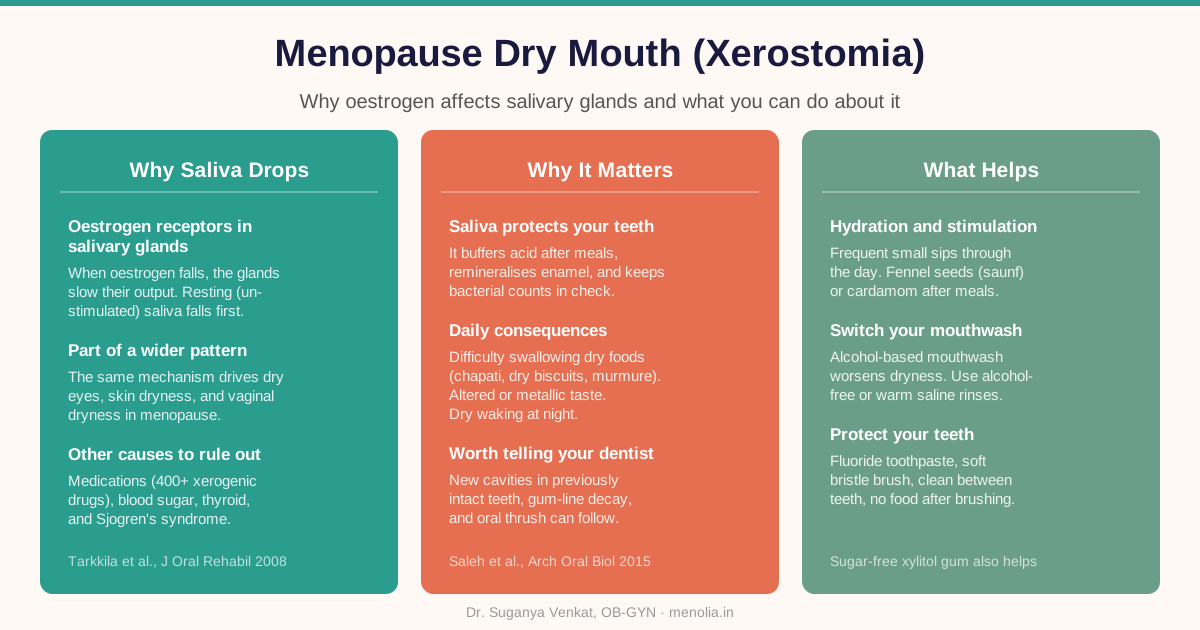
Salivary glands are not purely mechanical structures. They contain hormone receptors, including oestrogen receptors, that influence how much saliva is produced and what it contains.
Oestrogen has a supporting role in the function of exocrine glands: the glands that produce secretions. You see this same mechanism in the eyes (oestrogen supports tear production), in the vaginal tissue, and in the skin. When oestrogen falls, multiple secretory systems feel it. Dry eyes, skin dryness, vaginal dryness, and dry mouth can all occur through related pathways. If you have noticed more than one of these, they are likely connected rather than coincidental. The broader picture of what low oestrogen does across the body is covered in Low Oestrogen Symptoms: What Happens When Hormones Drop.
Research on salivary function in menopausal women shows measurable changes in flow rate and composition. A review published in Archives of Oral Biology (Saleh et al., Arch Oral Biol, 2015; PMID 25463902) identified hormonal changes, including oestrogen decline, as a recognised contributor to salivary hypofunction. Studies on hormone replacement therapy and saliva have shown that HRT can influence salivary secretion positively, providing supporting evidence that the oestrogen link is real (Tarkkila et al., J Oral Rehabil, 2008; ).
The submandibular glands, which produce most of the resting (unstimulated) saliva, appear to be particularly sensitive to hormonal change. This is why the dryness tends to be most noticeable at rest: on waking, during the night, or while sitting quietly. Eating or drinking stimulates a different pathway and can temporarily relieve the sensation, even when the underlying function is reduced.
Saliva does considerably more than keep the mouth comfortable. It contains enzymes that begin digestion, antibacterial proteins that protect against tooth decay, and buffering agents that neutralise acid after meals. When saliva output falls, these protective functions fall with it. Dental decay, mouth infections, and difficulty swallowing dry foods (chapati, murmure, dry biscuits) are practical downstream consequences.
When It Is Not Just Hormones
Reduced saliva production can have causes other than oestrogen decline, and some of them need specific attention. Before attributing dry mouth to menopause alone, it is worth considering the following.
Sjögren’s syndrome. This is an autoimmune condition in which the immune system attacks the glands that produce saliva and tears. Approximately 90% of people diagnosed with Sjögren’s are women, and the condition most commonly presents between the ages of 40 and 60 (Fox RI, Lancet, 2005; PMID 16039337). The symptoms overlap directly with hormonal dry mouth: dry mouth, dry eyes, difficulty swallowing, altered taste. The distinguishing features include joint pain and fatigue that feel disproportionate, recurrent oral thrush, and dry mouth that is present consistently even after drinking water, not just intermittently.
For more on this, read our guide on Menopause Joint Pain. If you have persistent dry mouth alongside dry eyes and joint pain, a blood test for anti-SSA and anti-SSB antibodies (the Sjögren’s markers) is a reasonable next step. This is separate from and not replaced by a menopause consultation. Your dentist or doctor can order it.
Medications. This is the most commonly missed cause of dry mouth in women over 45. Over 400 medications list dry mouth as a side effect (Sreebny LM, Schwartz SS, Gerodontology, 1997; PMID 9397845). The most relevant ones in this age group are antidepressants (particularly tricyclics and SSRIs), antihistamines used for allergies or sleep, antihypertensives (especially diuretics and beta-blockers), and some bladder medications. If dry mouth started or worsened around the time a medication was started or dose-increased, mention it to the prescribing doctor. Do not stop or change any medication without discussion, but the timing correlation is useful information.
Blood sugar. Elevated blood sugar, including undiagnosed type 2 diabetes, reduces salivary flow and increases the feeling of mouth dryness. This is one of the mechanisms by which people with poorly controlled diabetes develop dental problems at a higher rate. The perimenopause years carry an increased risk of insulin resistance and type 2 diabetes, so if dry mouth is accompanied by increased thirst, frequent urination, or fatigue, a fasting blood glucose or HbA1c test is worth doing. See Menopause and Blood Sugar: Why Diabetes Risk Rises After 45 for more on this connection.
Thyroid changes. Hypothyroidism (underactive thyroid) is more common in women over 40 and can cause reduced salivary production alongside fatigue, weight changes, and constipation. Thyroid changes in the perimenopause period are frequently under-diagnosed because the symptoms overlap so heavily with menopause symptoms themselves. A TSH test will clarify this. Thyroid Changes During Menopause covers what to look for.
In practice, many women in their perimenopausal years have a combination: falling oestrogen reduces salivary function, a medication makes it worse, and borderline blood sugar adds a third layer. Untangling the contributions is part of the clinical conversation.
A note on burning mouth. Xerostomia (dryness from reduced saliva) and burning mouth syndrome are two distinct conditions that frequently occur together. If you have a persistent burning or tingling sensation in the mouth, especially on the tongue tip, alongside dryness, the burning is its own symptom with its own mechanism. Read Menopause Burning Mouth: Why It Happens & What Helps for the full picture on that.
Why Your Teeth Need Attention
This section is not meant to alarm, but to give you information that is worth acting on.
Saliva is the mouth’s primary defence against tooth decay. It washes away food debris, neutralises the acids that bacteria produce after meals, delivers calcium and phosphate to remineralise tooth enamel, and contains antimicrobial proteins that keep bacterial counts down.
When salivary flow is chronically low, all of these defences are reduced. The risk of dental caries, particularly at the gum line and in previously intact teeth, increases. Women who were cavity-free for decades sometimes notice new decay appearing in their 40s and 50s and do not connect it to hormonal changes in their mouth.
Dry mouth also increases the risk of oral thrush (fungal infection) because the antifungal proteins in saliva are reduced. A white coating on the tongue or persistent soreness that does not resolve on its own is worth showing a dentist.
If you have not had a dental check in over a year, this is the time to go, specifically mentioning dry mouth so your dentist can check for early caries, apply a fluoride varnish if appropriate, and advise on protective products.
WhatsApp Dr. Suganya for an online consultation to discuss whether your dry mouth fits a hormonal picture and what the clinical next steps are. She works with women across India, fully online.
What Helps: Practical Relief
There is no single fix for menopause-related dry mouth, but several measures make a meaningful difference in daily comfort and dental protection.
Hydration, consistently. This sounds obvious but the pattern matters. Small, frequent sips throughout the day are more effective than large glasses at mealtimes. A glass of water by the bedside for dry waking, a water bottle within reach at a desk, water between tea and coffee rather than replacing them entirely. The goal is to support whatever saliva the glands are producing, not to substitute for it.
Limit the drying triggers. Caffeine and alcohol both reduce salivary flow, and this effect is dose-dependent. A morning cup of tea or coffee is unlikely to cause problems on its own, but several cups through the day combined with a glass of wine in the evening can noticeably worsen the dryness. Cutting back by one or two units of the most consistent habit often produces noticeable relief within a week.
Switch your mouthwash. Alcohol-based mouthwashes are widely used in India and many are marketed as antibacterial. Alcohol is drying and in women with already-reduced saliva, an alcohol-based mouthwash worsens the problem it is partly meant to address. Look for alcohol-free options or use warm saline rinses (a quarter teaspoon of salt dissolved in a glass of warm water) instead.
Sugar-free lozenges or chewing gum. Chewing and sucking stimulate saliva through the cephalic phase of the salivary reflex: the brain signals the glands to produce saliva in anticipation of food or drink. Sugar-free products with xylitol specifically also have evidence for reducing cavity risk. Cardamom (elaichi) pods and fennel seeds (saunf) have been used traditionally after meals across India for exactly this purpose, chewing them stimulates salivary flow, and small amounts of fennel after meals are a practical, culturally familiar way to support saliva during the day.
Saliva substitutes. Pharmacies stock artificial saliva sprays and gels (Biotene and similar products). These are not a treatment for reduced salivary gland function but they coat and lubricate the oral tissues, making eating, swallowing, and speaking more comfortable between meals. They are particularly useful at night, when salivary flow naturally falls and dry waking is most common.
Breathe through your nose. Habitual mouth breathing, which becomes more common with nasal congestion or during sleep, dramatically worsens dry mouth. If you mouth-breathe at night, a nasal decongestant, saline rinse, or assessment for nasal polyps or sleep apnoea may be more relevant than any oral product.
For women on HRT or considering it: HRT can improve salivary flow as part of its broader effect on oestrogen-sensitive tissues. If you are already managing menopause symptoms with HRT and still experiencing significant dry mouth, it is worth discussing with your doctor whether the current formulation and dose are working well across all symptoms. If you are not on HRT, dry mouth alone is rarely the primary reason to start it, but if you have other moderate or significant menopause symptoms alongside it, it factors into the overall picture.
India-Specific Remedies Worth Knowing
Several traditional practices have a plausible rationale alongside their cultural familiarity.
Fennel seeds (saunf), commonly eaten after meals, are a salivary stimulant. A small pinch of fennel seeds chewed slowly after lunch and dinner is one of the most accessible self-care habits for dry mouth.
Coconut water is well-tolerated, mildly hydrating, and a natural source of electrolytes. If plain water feels flat or difficult to drink in large amounts, coconut water is a practical alternative for some of the daily fluid intake.
Amla (Indian gooseberry) supports mucosal tissue health through its vitamin C content, though the evidence for a direct effect on saliva is not established. Amla as part of the general diet is a reasonable choice; as a specific dry-mouth treatment, the evidence is thin and it should be seen as complementary, not primary.
Avoid heavily spiced or very dry foods when the mouth is at its driest, typically in the morning or late evening. Softening food with rasam, dal, or sambar, or eating kichdi rather than plain rice with side dishes, reduces the friction of eating with reduced saliva.
Your Oral Care Routine With Dry Mouth
A few adjustments to the standard oral care routine make a difference over time.
Fluoride toothpaste is particularly important with reduced salivary protection. Look for toothpastes with sodium fluoride (all standard toothpastes contain this) and use them at the concentrations available over the counter. Some dentists recommend a higher-fluoride prescription toothpaste for women with significant dry mouth; ask yours.
Brush gently. The gum line, where new caries are most likely to develop with reduced saliva, is also the most easily damaged by aggressive brushing. A soft-bristle brush and light pressure protect better than firm scrubbing.
Clean between the teeth. Interdental brushes or floss reach the surfaces where saliva access is already lowest and where caries begin in dry-mouth conditions.
Do not eat or drink anything except water after your last brush of the day. With reduced overnight saliva, the protective effect of toothpaste fluoride staying on the teeth is more valuable than it otherwise would be.
Menopause and Dental Health: Why Your Gums Change After 45 covers the gum and periodontal changes that occur alongside dry mouth in menopause. Both are worth knowing about.
When to See a Doctor or Dentist
For most women, menopause-related dry mouth is a manageable symptom rather than a medical emergency. See your dentist in the next few weeks rather than waiting for your next routine appointment if:
- You have noticed new cavities or increased dental sensitivity
- You have a white coating on the tongue or persistent mouth soreness (possible thrush)
- Dry mouth is affecting your ability to eat, speak, or swallow comfortably
- Dry mouth started or worsened when a medication was changed
See your doctor (not just your dentist) if:
- You have dry mouth alongside dry eyes and joint pain (Sjögren’s needs ruling out)
- Dry mouth is accompanied by increased thirst, frequent urination, or unexplained fatigue (blood sugar check)
- Dry mouth is accompanying a cluster of menopause symptoms that are significantly affecting your quality of life
See the full list of symptoms worth bringing to a gynaecologist at Menopause Red Flags: 8 Signs to See a Gynaecologist.
WhatsApp Dr. Suganya for an online consultation to get a clearer picture of whether your symptoms fit a hormonal pattern and what can be done. She consults with women across India, online.
Frequently Asked Questions
Is dry mouth a common symptom of menopause?
It is more common than most women realise. It does not appear on the standard lists of menopause symptoms as consistently as hot flashes or sleep problems, but research on salivary gland function shows measurable changes related to oestrogen decline. Many women notice it without connecting it to their hormones, attributing it to dehydration or the weather instead.
How do I know if my dry mouth is hormonal or from a medication?
Timing is the first clue. If dry mouth appeared or worsened after starting a new medication or increasing a dose, the medication is a likely contributor. Common culprits include antidepressants, antihistamines, diuretics, and antihypertensives. If the dry mouth has appeared gradually alongside other menopause symptoms, with no change in medication, a hormonal cause is more probable. In practice, both can contribute at once, and a doctor can help distinguish.
Can HRT help with dry mouth?
There is evidence that HRT can improve salivary function. Oestrogen-sensitive tissues, including the salivary glands, respond positively to oestrogen replacement in some women. Dry mouth alone would rarely be the primary reason to start HRT, but if you have other moderate menopause symptoms and are already considering HRT, it is worth knowing that improved oral comfort may be among the benefits.
What is Sjögren’s syndrome and how is it different from hormonal dry mouth?
Sjögren’s is an autoimmune condition where the immune system attacks the salivary and lacrimal (tear) glands. It causes dry mouth and dry eyes, similar to hormonal dry mouth. The distinguishing features are joint pain, fatigue, and a pattern of severe, persistent dryness that does not fluctuate much through the day. A blood test for anti-SSA and anti-SSB antibodies is the standard screen. It is not diagnosed or excluded without this test. If you have dry mouth plus dry eyes and joint pain, ask your doctor about the test.
Why am I suddenly getting more cavities in my 40s and 50s?
Saliva is one of the mouth’s main defences against cavities. It buffers acid, remineralises enamel, and reduces bacterial counts. When salivary flow drops with oestrogen, these protections are reduced, and cavities can develop more easily, even in teeth that have been fine for decades. Tell your dentist you are experiencing dry mouth so they can monitor specifically for early caries and advise on protective products such as fluoride varnish.
Are there any Indian home remedies that genuinely help with dry mouth?
Chewing fennel seeds (saunf) after meals is a traditional practice with a plausible salivary-stimulant rationale. Cardamom (elaichi) has a similar effect. Staying hydrated with small, frequent sips throughout the day, including coconut water as part of that intake, is practical and well-tolerated. Avoiding alcohol-based mouthwashes and switching to warm saline rinses is an inexpensive change that many women find makes a noticeable difference. These are complementary to, not a replacement for, addressing any underlying cause.
Is dry mouth in menopause permanent?
It does not have to be. Many women find it improves with consistent hydration and by addressing contributing factors such as medications or blood sugar. For women whose dry mouth is primarily hormonal, it may reduce with HRT if that is otherwise appropriate. Even when reduced salivary function persists, the dental and comfort consequences are manageable with a consistent oral care routine and regular dental review.