You’ve noticed it. Your digestion isn’t what it used to be. Bloating after meals that never used to bother you. Constipation that comes and goes. Foods you’ve eaten your whole life suddenly causing gas or discomfort. Maybe you’ve even developed new food sensitivities.
If you’re in your 40s or 50s, this isn’t coincidence. Your gut is directly connected to your hormones, and as oestrogen and progesterone decline during perimenopause and menopause, your digestive system changes in ways most women aren’t told about.
The Oestrogen-Gut Connection
Your gut has oestrogen receptors throughout its lining. Oestrogen plays several roles in digestive health that most people (including many doctors) don’t associate with menopause:
1. Gut motility: Oestrogen is one of the influences on the speed at which food moves through your digestive tract. As levels drop, gut motility can slow, contributing to constipation, bloating, and that uncomfortable feeling of food “sitting” in your stomach (Mulak et al., World Journal of Gastroenterology, 2014, PMID 24627581).
2. Gut barrier function: Oestrogen supports the intestinal lining, the barrier between your gut contents and your bloodstream. Braniste et al. (Journal of Physiology, 2009, PMID 19433574) showed in rats and in human colon cells that oestradiol decreases colonic permeability by increasing the tight junction proteins occludin and JAM-A.
3. Pain sensitivity: Oestrogen has a modulating effect on visceral pain perception. With declining levels, some women become more sensitive to normal digestive sensations, what was once unnoticed bloating now feels genuinely uncomfortable.
Your Gut Microbiome Changes During Menopause
Your gut hosts trillions of bacteria (collectively called the microbiome) that influence everything from immune function to mood. Oestrogen has a bidirectional relationship with these bacteria.
The Estrobolome
A specific subset of your gut bacteria, called the estrobolome, produces an enzyme called beta-glucuronidase that regulates how much oestrogen is recycled back into your body versus excreted.
Evidence: Santos-Marcos et al. (Maturitas, 2018, PMID 30244778) compared 17 premenopausal with 20 postmenopausal women and found differences in gut bacteria composition, including a higher Firmicutes to Bacteroidetes ratio and a higher relative abundance of Lachnospira and Roseburia before menopause. The study reported composition, not overall diversity, and did not report Lactobacillus or Bifidobacterium.
What This Means for You
Gut bacteria have been linked with:
- More frequent bloating and gas
- Increased inflammation (which worsens joint pain, brain fog, and fatigue, common menopausal symptoms)
- Reduced immune function
- Changes in weight distribution (particularly increased visceral fat)
- Mood changes: about 90% of your body’s serotonin is made in the gut, and your gut bacteria influence how much is produced
This isn’t just a digestive issue.
Common Gut Symptoms During Menopause
Bloating
The most common complaint. Hormonal fluctuations (especially during perimenopause, when oestrogen levels swing wildly) cause water retention and slow gut motility. Many women describe feeling “permanently bloated” in their mid-40s.
What helps:
- Eat smaller, more frequent meals rather than three large ones
- Reduce carbonated drinks and raw vegetables in the evening
- Fennel tea (saunf) after meals, traditional and evidence-supported for reducing gas
- A 10-minute walk after eating
Constipation
Slower gut motility plus declining progesterone (which also affects smooth muscle function in the gut) means things move more slowly. This is often the first digestive change women notice.
What helps:
- Increase fibre gradually (sudden increases make bloating worse)
- Drink 2-2.5 litres of water daily, fibre without water causes more constipation, not less
- Isabgol (psyllium husk), 1-2 teaspoons in warm water at bedtime
- Regular physical activity, walking stimulates peristalsis
New Food Sensitivities
Foods you’ve eaten for decades may start causing discomfort. This is partly due to reduced gut barrier function and partly due to changes in digestive enzyme production.
Common culprits:
- Dairy (lactose tolerance can decrease with age)
- Wheat and gluten-containing foods
- Spicy foods (reduced tolerance is common)
- Onions and garlic (high in FODMAPs, which ferment in the gut)
What to do: Don’t eliminate entire food groups without guidance. Keep a simple food diary for 2 weeks, note what you eat and any symptoms within 4-6 hours. This identifies patterns better than guessing.
Acid Reflux
Some women notice acid reflux during menopause, especially when lying down after meals.
What helps:
- Don’t eat within 2-3 hours of bedtime
- Elevate the head of your bed slightly
- Avoid very spicy, acidic, or fried foods in the evening
- Ajwain water (carom seeds steeped in warm water) is a traditional Indian remedy with carminative properties
📞 Struggling with Digestive Changes During Menopause?
Dr. Suganya’s menopause program includes personalised nutrition from a clinical nutritionist who understands how hormonal changes affect your gut. For a starting point, see our menopause diet guide, but a personalised plan goes deeper. No generic advice. A plan built around your body.
Talk to Dr. Suganya on WhatsApp →
Evidence-Based Strategies for Gut Health During Menopause
1. Feed Your Microbiome. Prebiotics First
Prebiotics are the fibres that feed your beneficial gut bacteria. They’re more important than probiotics for most women because they support the bacteria you already have.
Best Indian prebiotic foods:
- Garlic and onions (raw or lightly cooked, contain inulin and fructo-oligosaccharides)
- Banana: especially slightly unripe bananas (resistant starch)
- Whole grains: ragi, jowar, bajra, brown rice
- Legumes: rajma, chana, whole moong
- Flaxseeds (alsi), 1 tablespoon daily, ground (also provides lignans, which are phytoestrogens)
Start slowly. If your gut is already sensitive, introducing too much fibre at once will make bloating worse. Add one new prebiotic food every 3-4 days.
2. Probiotics. Choose the Right Strains
Not all probiotics are equal, and the “billions of CFUs” marketing is largely meaningless. What matters is the specific strain.
Strains with evidence for bloating and constipation. These trials were run in adults with functional constipation or IBS, not specifically in menopausal women:
- Bifidobacterium lactis: increased stool frequency and improved stool consistency in a meta-analysis of probiotics for functional constipation (Dimidi et al., American Journal of Clinical Nutrition, 2014, PMID 25099542)
- Lactobacillus plantarum 299v: reduced abdominal pain and bloating over 4 weeks in a placebo-controlled trial in IBS patients (Ducrotté et al., World Journal of Gastroenterology, 2012, PMID 22912552)
Natural probiotic sources from the Indian kitchen:
- Dahi (curd): homemade is best, as commercial varieties may have fewer live cultures
- Idli and dosa batter: the fermentation process creates beneficial bacteria
- Kanji (fermented carrot/beetroot water), a traditional North Indian probiotic drink
- Mango pickle (aam ka achaar), traditional oil-based pickles are fermented, though high in salt
- Buttermilk (chaas): especially with a pinch of roasted cumin
3. Anti-inflammatory Foods
Chronic low-grade inflammation increases during menopause (a phenomenon called “inflammaging”). This inflammation worsens gut symptoms and feeds into a vicious cycle, an inflamed gut produces more inflammatory compounds, which worsen other menopausal symptoms.
Foods that reduce gut inflammation:
- Haldi (turmeric) with black pepper. Curcumin has antioxidant and anti-inflammatory effects but is poorly absorbed on its own. Piperine, the active component of black pepper, has been shown to increase its bioavailability (Hewlings & Kalman, Foods, 2017, PMID 29065496). Haldi doodh (golden milk) with a pinch of black pepper is the everyday Indian way of putting the two together
- Ginger (adrak): reduces nausea, improves gastric emptying, and has anti-inflammatory properties. Fresh ginger tea or adding grated ginger to sabzis
- Omega-3 fatty acids: from flaxseeds, walnuts, and fatty fish. Reduce intestinal inflammation
- Green leafy vegetables: methi, palak, drumstick leaves. Rich in antioxidants and fibre
4. Address Stress. It Directly Affects Your Gut
The gut-brain axis is a two-way communication highway. Stress hormones (cortisol) directly alter gut motility, increase gut permeability, and change the composition of your microbiome.
This is why many women notice digestive symptoms worsen during stressful periods.
What helps:
- Deep breathing before meals: 5 slow breaths activates the parasympathetic nervous system (rest-and-digest mode), improving digestive enzyme secretion
- Regular exercise: even 20-30 minutes of walking reduces cortisol and improves gut motility
- Adequate sleep: two nights of restricted sleep produced subtle shifts in gut bacteria in a small crossover study of nine normal-weight young men (Benedict et al., Molecular Metabolism, 2016, PMID 27900260)
- Mindful eating: eating slowly, chewing thoroughly, and not eating in front of screens. This isn’t wellness fluff, it measurably improves digestion
5. Meal Timing Matters
Your digestive system works on a circadian rhythm. Eating in alignment with this rhythm improves digestion significantly:
- Breakfast: Eat within 1-2 hours of waking. Your digestive enzymes are most active in the morning
- Lunch: Make this your largest meal. Agni (digestive fire, in Ayurvedic terms) peaks midday
- Dinner: Keep it light and eat at least 2-3 hours before bed. A heavy dinner overwhelms a digestive system that’s winding down
- Avoid constant snacking: give your gut 3-4 hours between meals. This allows the migrating motor complex (MMC) (a cleaning wave that sweeps through your intestines) to do its job. Constant eating prevents this
6. Phytoestrogens. Gentle Hormonal Support for Your Gut
Phytoestrogens are plant compounds that weakly mimic oestrogen in the body.
Best Indian sources:
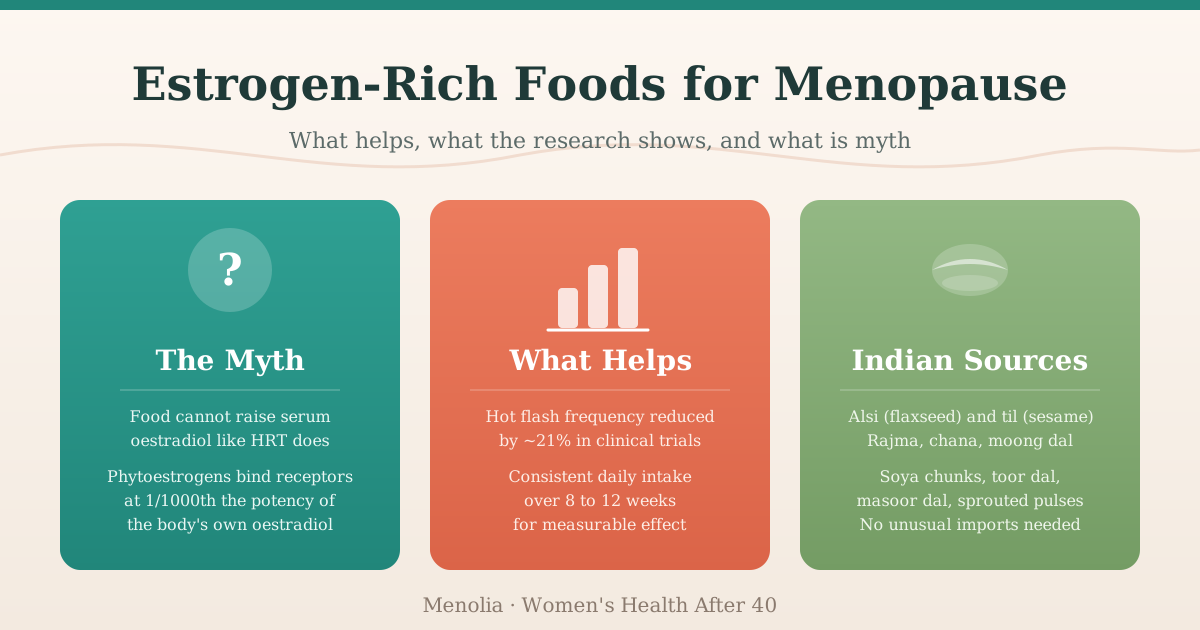
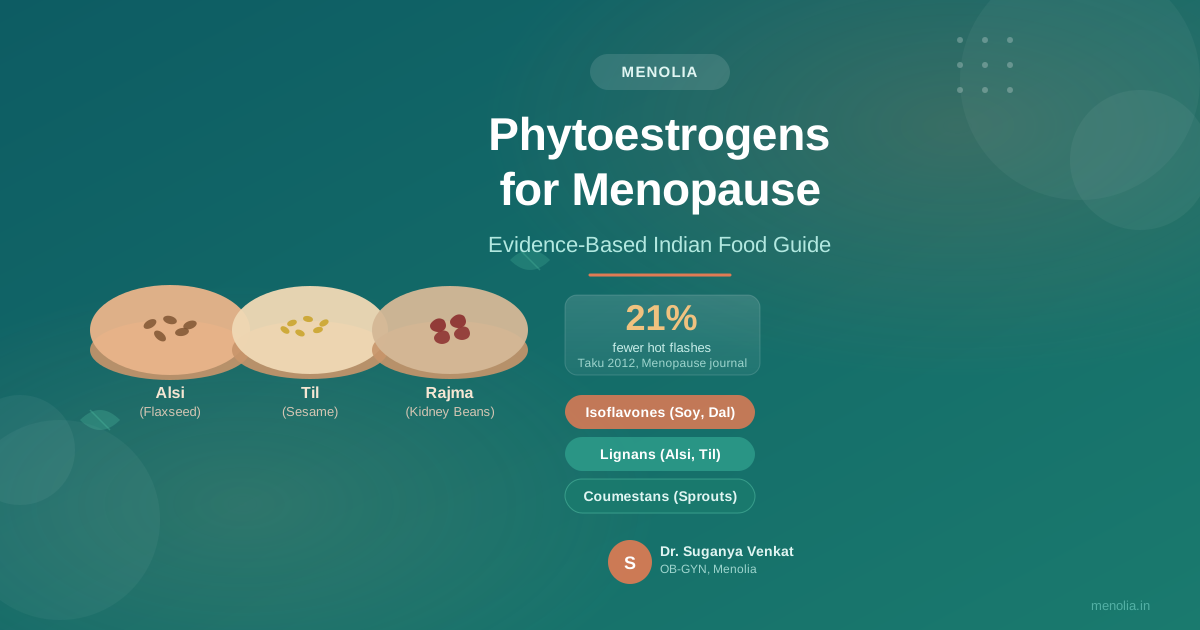
- Flaxseeds (alsi): the richest dietary source of lignans. 1 tablespoon ground flaxseeds daily
- Soy: tofu, soy milk, edamame (moderate intake, 1-2 servings daily)
- Sesame seeds (til): add to chutneys, ladoos, or sprinkle on salads
- Fenugreek seeds (methi): soak overnight, eat 1 teaspoon in the morning
What Doesn’t Help
| Common Advice | Reality |
|---|---|
| ”Just take any probiotic supplement” | Strain matters. Generic supplements may not contain the strains that help menopausal gut issues |
| ”Cut out all dairy” | Unless you have confirmed lactose intolerance, dairy (especially dahi and paneer) provides calcium and probiotics |
| ”Drink apple cider vinegar” | No evidence for gut health. Can worsen acid reflux and damage tooth enamel |
| ”Do a juice cleanse / detox” | Your liver and kidneys already detox your body. Juice cleanses remove fibre, the very thing your gut needs |
| ”Avoid all spicy food” | Moderate spice (especially ginger, turmeric, cumin) actually aids digestion. Only reduce if specific spices cause symptoms |
💜 Your Gut Health Is Connected to Everything Else
Bloating, brain fog, mood swings, weight gain, joint pain, poor sleep. These aren’t separate problems. They’re interconnected, and your gut is often at the centre. When we address gut health in our menopause program, women frequently notice improvements across multiple symptoms, not just digestion.
Dr. Suganya’s program addresses menopause as a whole-body experience, with a nutritionist who specialises in the hormonal transition. No generic diet plans, real, personalised support.
Start a Conversation on WhatsApp →
A Simple Starting Plan. Week 1
If this feels overwhelming, start here:
Day 1-3: Add 1 tablespoon ground flaxseeds to your morning curd or smoothie. Drink one cup of ginger or fennel tea after lunch.
Day 4-5: Replace your evening chai with haldi doodh (turmeric milk with a pinch of black pepper). Start a 15-minute post-dinner walk.
Day 6-7: Add one fermented food daily, homemade dahi, idli, or buttermilk with lunch. Keep a simple food diary noting any symptoms.
After week 1: Evaluate what helped. Gradually add more prebiotic foods (start with one new one every 3-4 days).
Small, consistent changes work better than dramatic overhauls, especially when your gut is already sensitive.
Frequently Asked Questions
Why does my digestion get worse during perimenopause?
Fluctuating oestrogen levels during perimenopause may affect gut motility (the speed food moves through your system), gut barrier integrity, and microbiome composition. Oestrogen receptors are expressed in the digestive tract, so when levels swing (sometimes high, sometimes very low) your digestion may respond. This is part of why symptoms often fluctuate day to day in perimenopause (Mulak et al., World Journal of Gastroenterology, 2014, PMID 24627581).
Should I take a probiotic supplement during menopause?
A targeted probiotic can help, but it’s not a universal solution. Look for specific strains with research backing (Bifidobacterium lactis, L. plantarum 299v). Start with natural probiotic foods first, homemade dahi, buttermilk, idli batter. If symptoms persist, a quality supplement with these strains can be added. Always check with your doctor if you’re on any medications.
Can gut health affect hot flashes and mood during menopause?
Possibly. This is the gut-brain axis at work. Approximately 90% of your body’s serotonin (the “feel-good” neurotransmitter) is made in the gut, by the cells of the gut lining rather than by the bacteria themselves, and your gut bacteria influence how much is produced. Improving gut health may have ripple effects across multiple symptoms.
Is bloating during menopause the same as bloating from IBS?
They can overlap, and some women develop IBS-like symptoms for the first time during menopause. The mechanism is different, menopausal bloating is driven by hormonal changes affecting gut motility and water retention, while IBS involves altered gut-brain signalling. However, declining oestrogen can trigger or worsen IBS in predisposed women. If bloating is severe, persistent, or accompanied by significant pain or changes in bowel habits, see your doctor to rule out other causes.
What foods should I avoid for better gut health during menopause?
Rather than a blanket elimination list, pay attention to your own triggers. Common ones include: excess caffeine (stimulates acid secretion), carbonated drinks (cause gas), very spicy foods (if they cause reflux), processed foods high in sugar (feed harmful gut bacteria), and excessive raw vegetables in the evening (harder to digest). Keep a food diary for 2 weeks to identify your specific triggers, they’re different for everyone.
How long does it take for gut health strategies to show results?
Most women notice reduced bloating within 1-2 weeks of dietary changes. Constipation typically improves within a week with adequate water, fibre, and movement. Deeper microbiome changes (improved diversity, reduced inflammation) take 4-8 weeks of consistent effort. The key word is consistent. Occasional probiotic foods won’t shift your microbiome. Daily habits will.